 ASX: OSM · Orión Project
Stratum 01 · Surface▼ descending
ORIÓN · JAÉN PROVINCE, ANDALUCÍA
The minerals behind modern life. Explored by Osmond.
A living guide to the critical minerals in Osmond's Spanish deposit — where they come from, and why they matter.
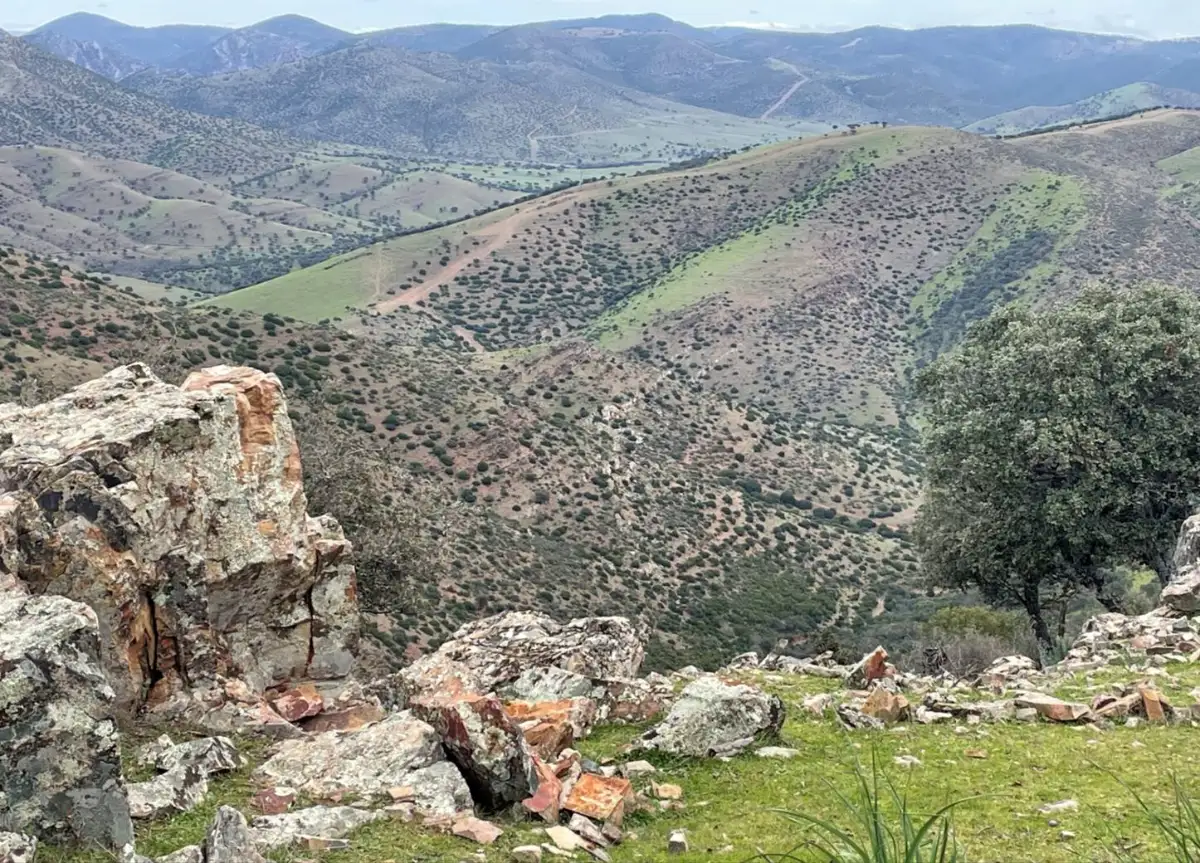
Swipe through the assayed four — or start below ↓
It is published by Osmond Resources, an ASX-listed exploration company. The subject is the minerals.
Stratum 02 · The suite▼ descending
The suite · eight minerals, three metals
Pick one. Minerals open dossiers; metals open the science.
The traded forms · 9 oxides — where these minerals go to market
vivid = assayed · faint = trace · dashed = not yet quantified · outlined = strategic interest, no published data
Stratum 03 · OSM Core Resources▼ descending
02 · OSM CORE RESOURCES
How Osmond groups them.
The same minerals, organised into the five resource families at the centre of Osmond's strategy — and each family shows the state of every mineral that carries it.
CATEGORIES AND MEMBERSHIP PER OSMOND'S ARCHITECTURE, VERBATIM · TIER NUMBERING IS OUR LABELLING
Stratum 04 · Latest▼ descending
Curated
Start here.
Three pieces, chosen by the desk.
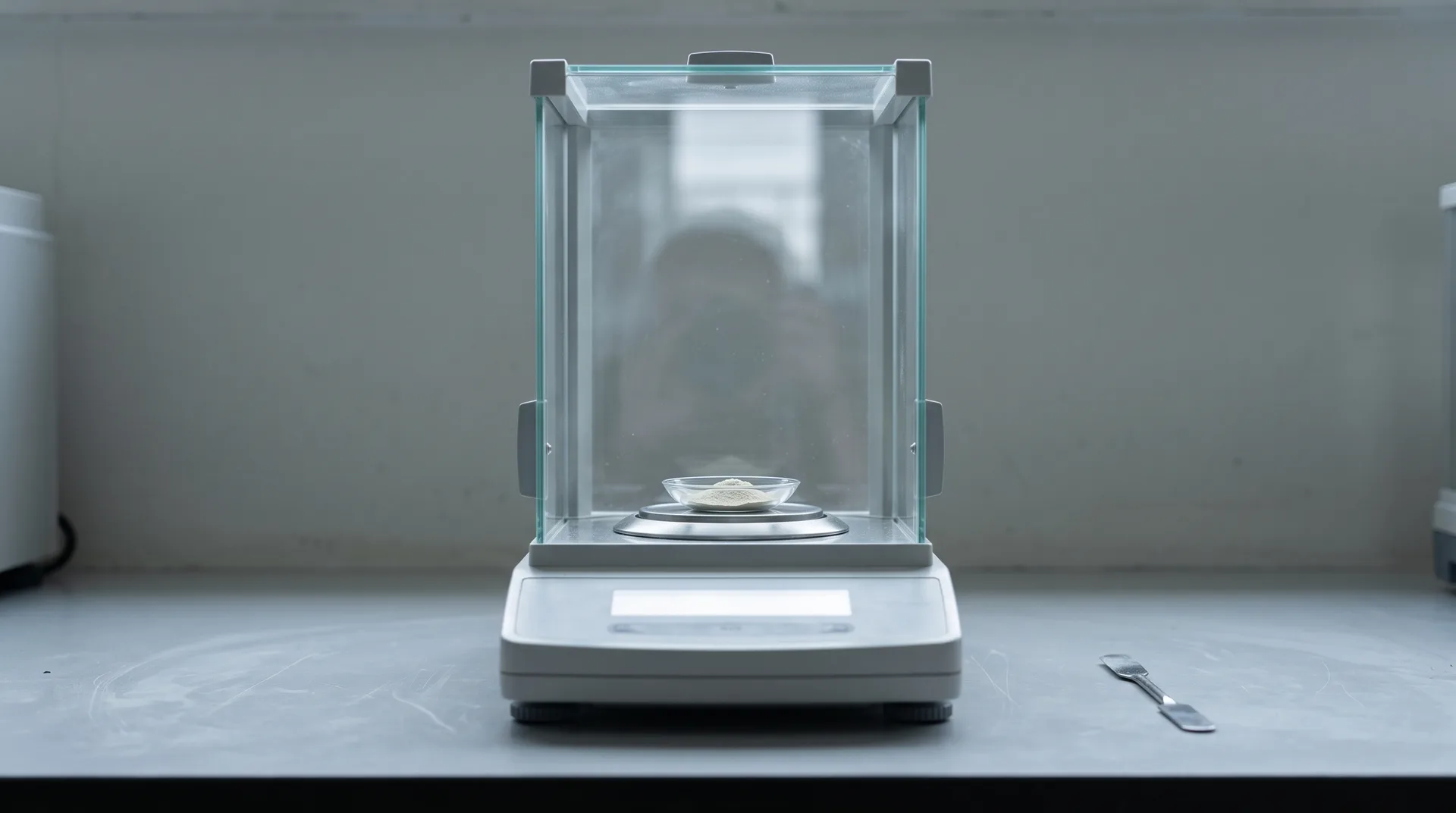
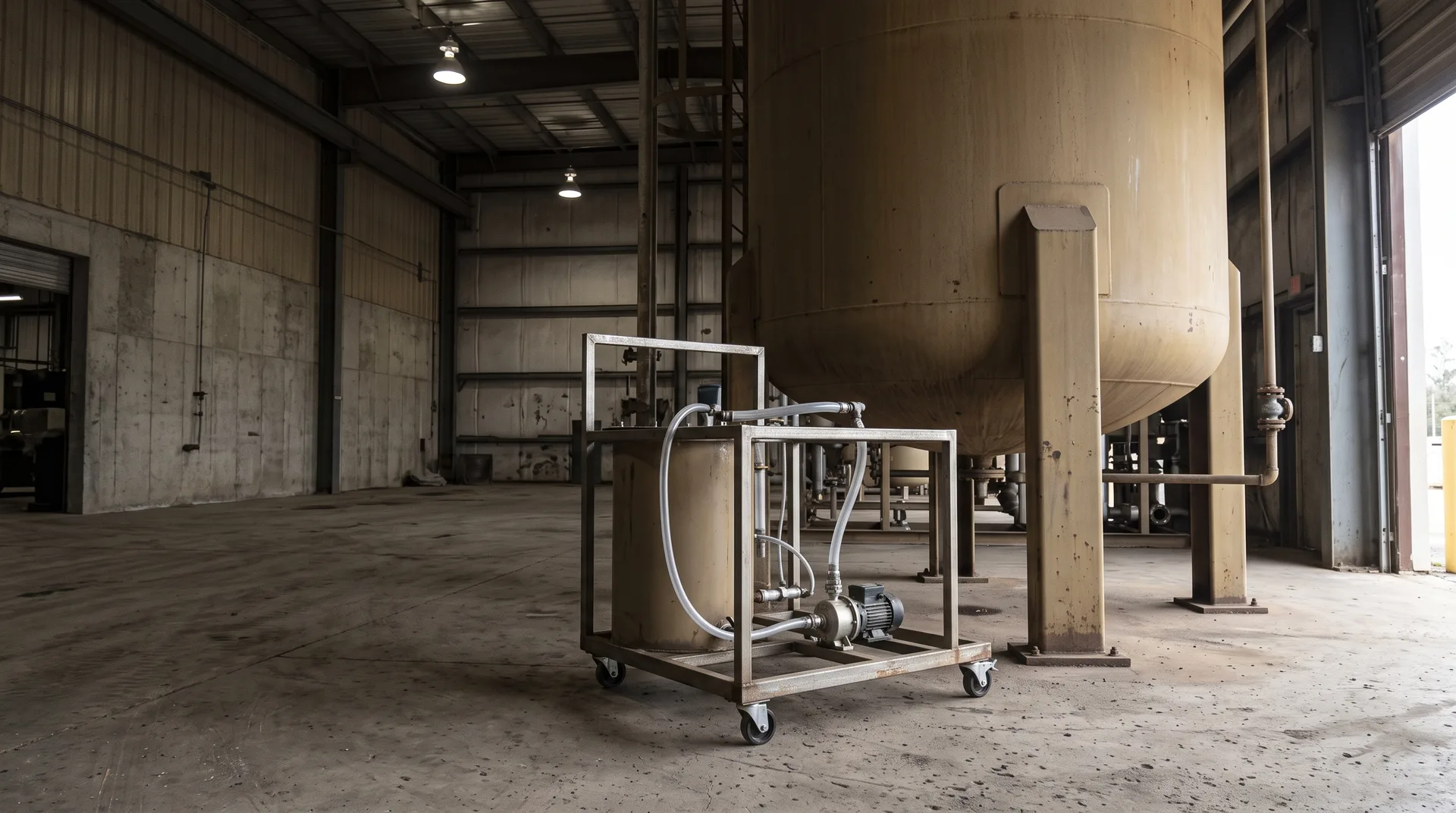
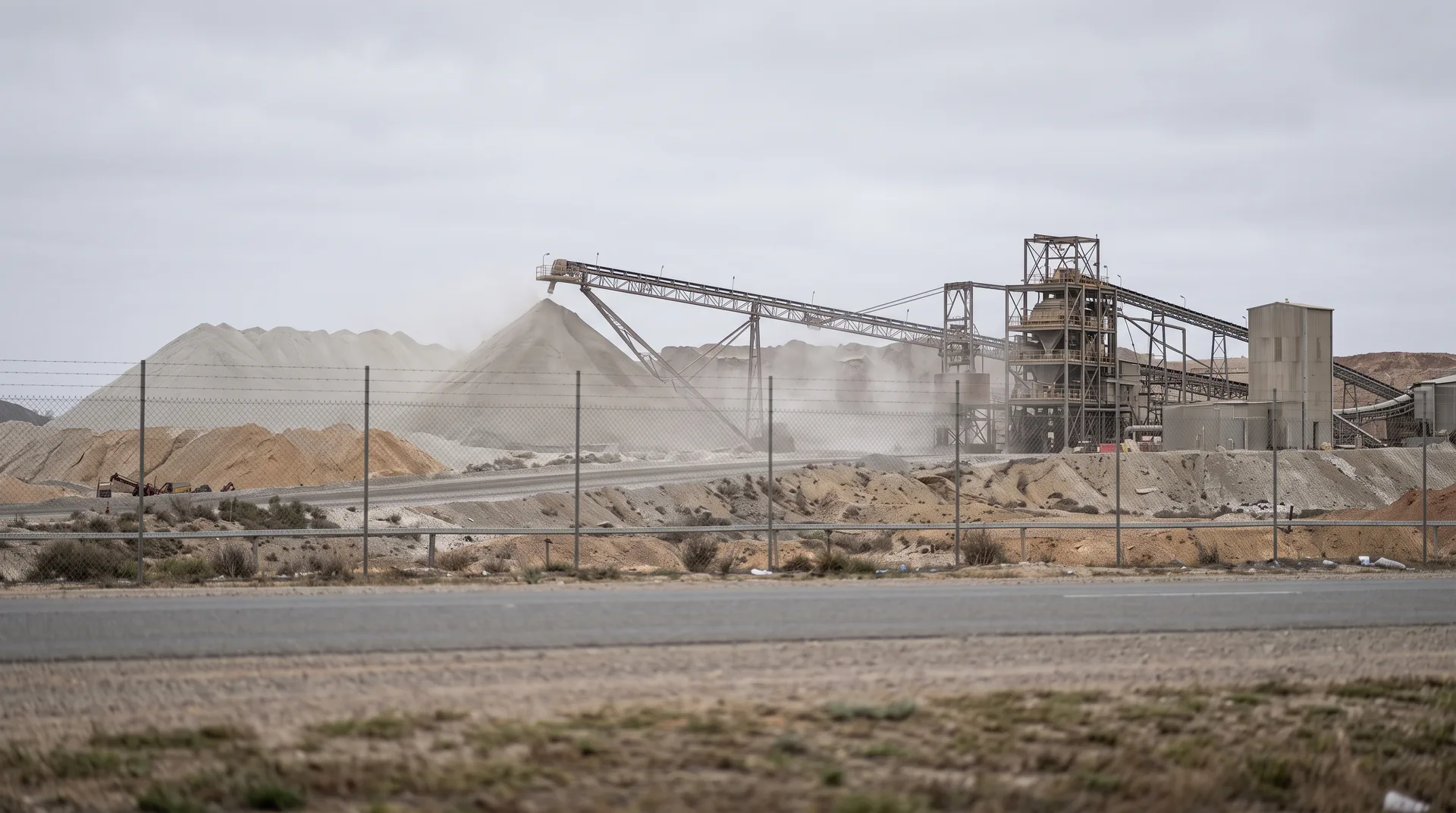
Stratum 05 · By theme▼ descending
Browse by pillar
Or start with a question.
Stratum 06 · Applications▼ descending
Applications & Industries · Every category
Where they end up.


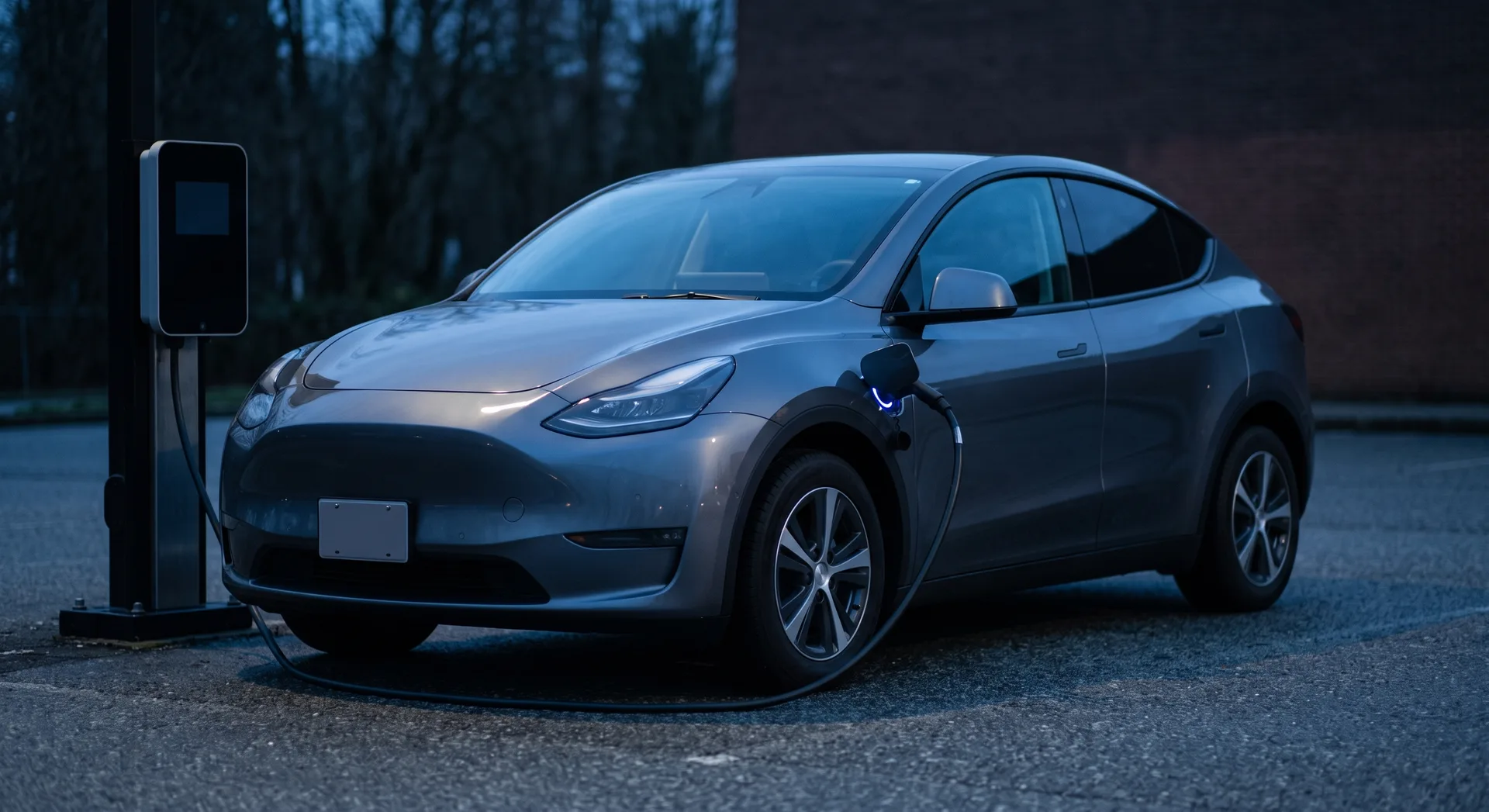
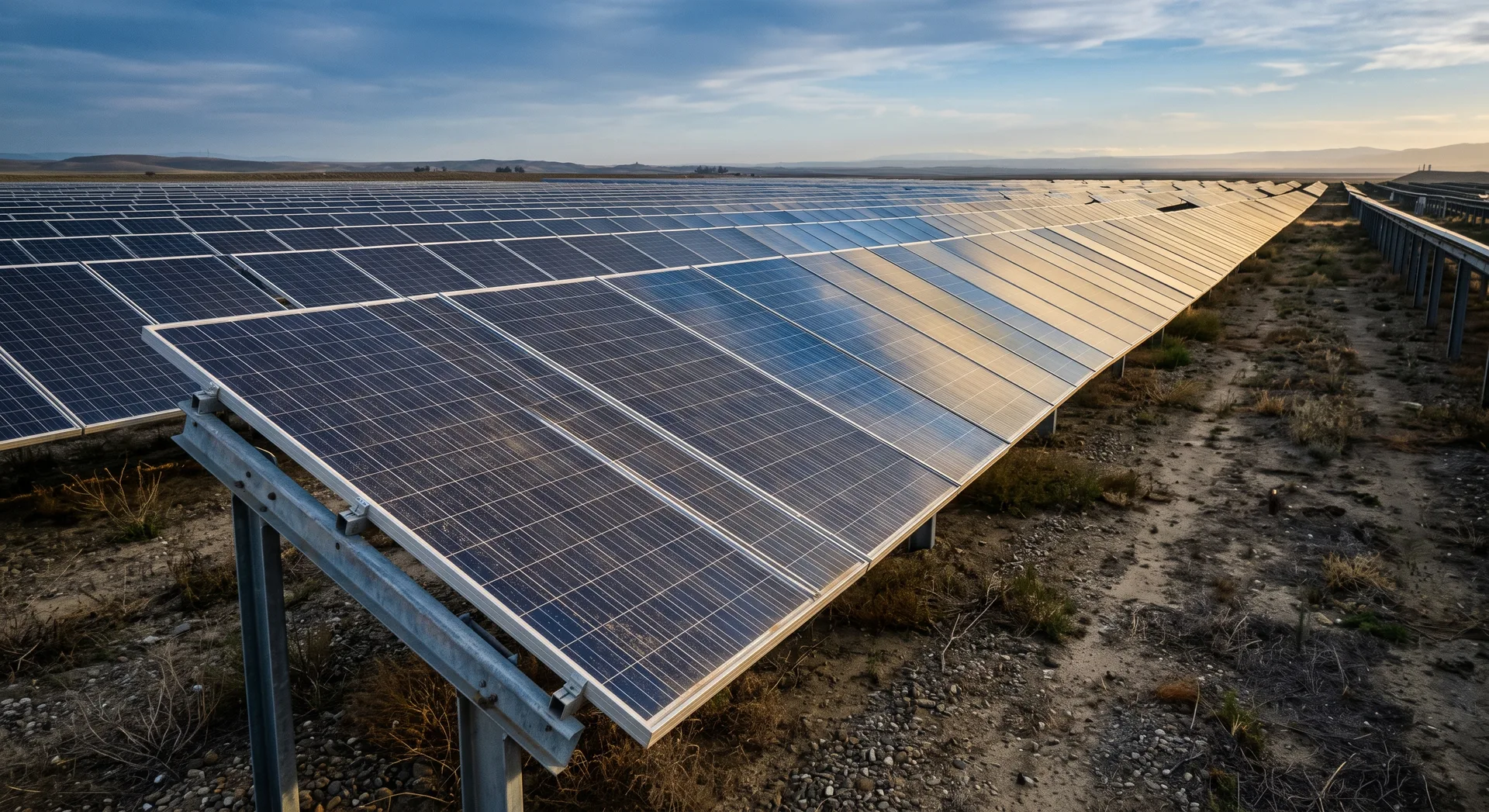
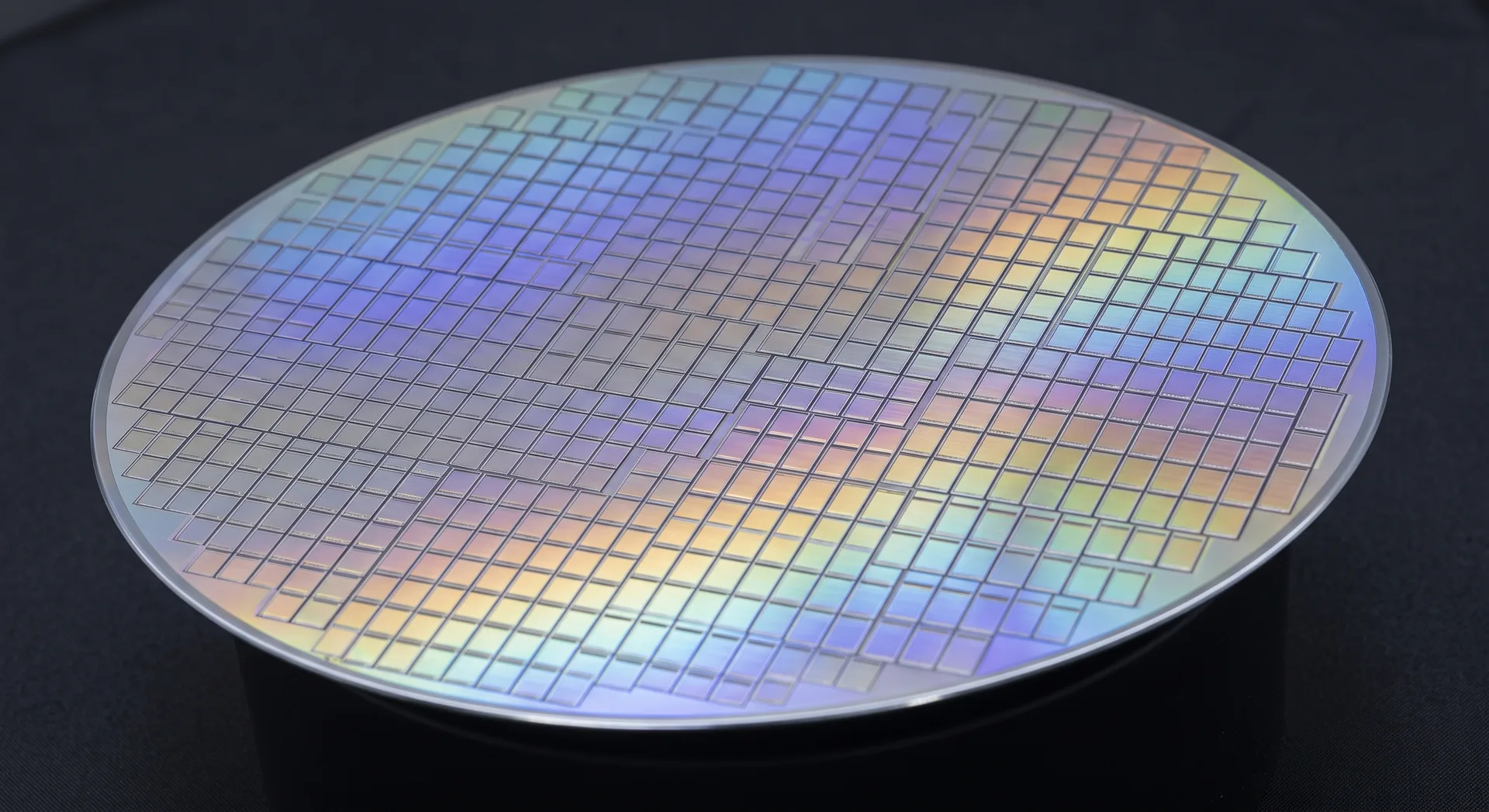





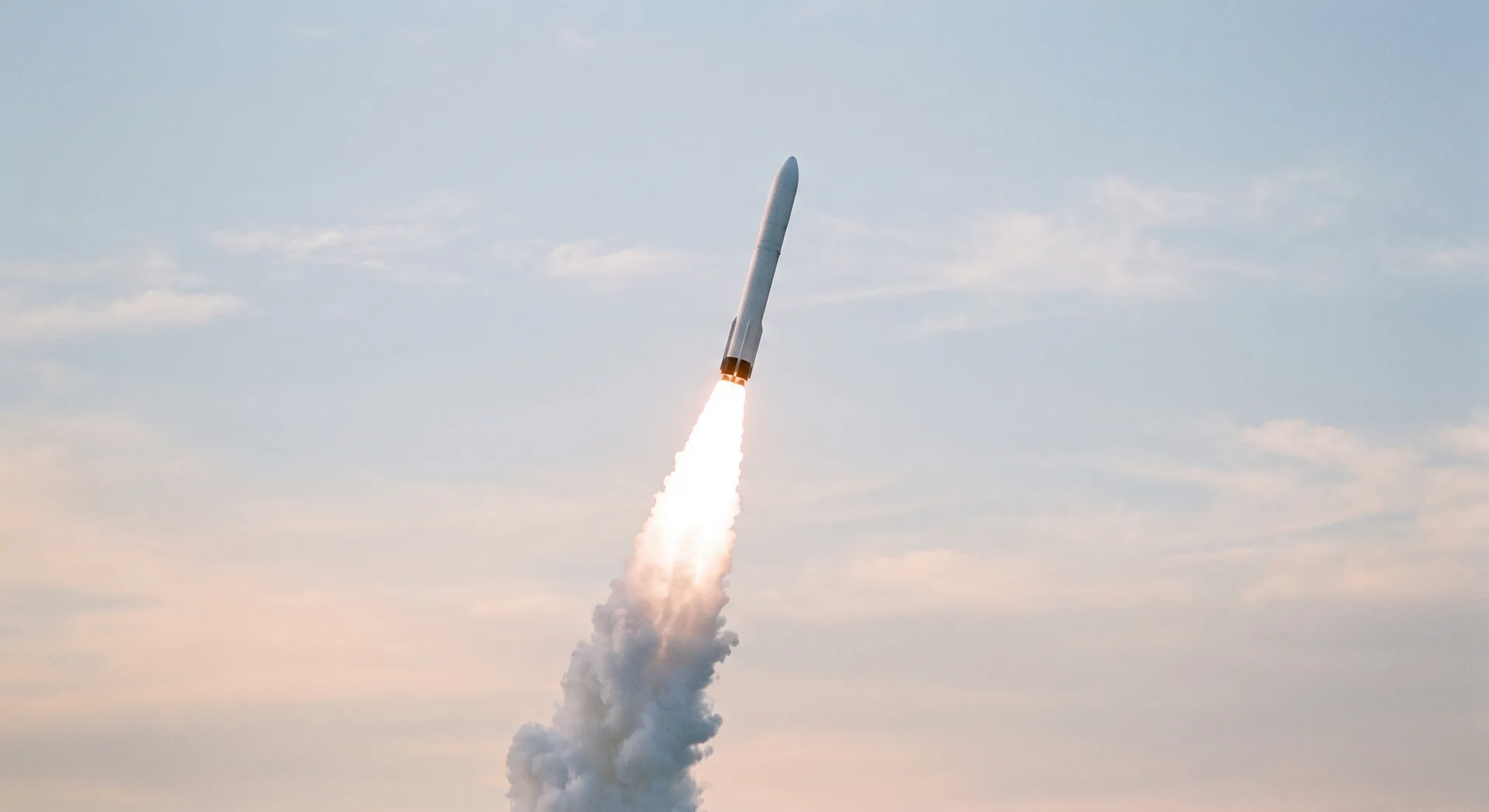
Each category links to its section and back to the minerals that supply it. General industry material — nothing here describes what Orión contains or produces.
Stratum 07 · The deposit▼ deepest
The Deposit · Orión · Jaén Province, Andalucía
Two seams.
More than ten kilometres.
A lithified tidal-sand placer in Spain's oldest mining region — southern Andalucía, the Iberian Pyrite Belt, worked since Roman times.
- 232 km²Permit areaASX:OSM release, 3 July 2026
- 772Mining unitsASX:OSM release, 3 July 2026
- 2Pervasive seamsOsmond's website, not its releases
- >10 kmMineralised corridorASX:OSM release, 28 April 2026
- ~40%Heavy minerals · AV-01bisASX:OSM release, 24 November 2025 — mass-balance basis, 3% TiO₂ cut-off
Exploration results and mineralogical estimates only · Orión has no JORC-compliant Mineral Resource or Reserve; maiden MRE and Scoping Study pending, targeted Q3 CY26.
About this publication
This is a reference publication about critical minerals: what they are, where they occur, how they are extracted and refined, what they are used for, and why states have started treating them as a matter of security rather than commerce.
The subject is narrowed deliberately. Rather than covering every element on every criticality list, it follows a related group in depth — titanium, zirconium, hafnium, the rare earths and high-purity silica, together with the minerals that actually carry them: rutile and ilmenite, zircon, monazite and xenotime, quartz. These are not an arbitrary selection. They occur together in the same deposits, they are separated from one another by the same physical processes, and several of them exist commercially only as by-products of the others, so following them as a set explains things that following any one of them cannot. Around that core sit related materials. Beyond them lies the wider critical-minerals set — antimony, tungsten, gallium, germanium, graphite, lithium and copper among them — which this publication does not cover. It names them because the core group is only legible against that context, not because pages on them follow.
The material is organised along three axes. The first is subject: eight pillars, from applications and markets through mining, geography, organisations, technology, sustainability and policy, each divided into sections that narrow to a specific question. The second is material: each mineral and element followed in depth has its own hub, running from properties and occurrence through processing to end use, so a reader who thinks in materials rather than in themes has a way in. The third is form: dated reporting, interpretation written while an outcome is still open, long-form explanation, first-hand accounts, method-led analysis, compiled reference documents and visual material. That axis exists because a fast-moving policy environment and a slow-moving industrial one need different treatments.
Figures appear exactly as recorded, carrying their basis and date; where the record states a range, a range is what renders — never computed, converted or rounded. A source with no public URL is shown as such rather than quietly dropped. Production and trade figures come from named sources with their edition and basis; this publication carries no prices.