 ASX: OSM · Orión Project
Minerals Hub / Applications & Industries / Aerospace
Applications & Industries · Section 02 of 11
Aerospace

Weight and temperature govern material choice in aerospace, and both constraints push designers toward the same short list of metals. This section takes aerospace as an end use: commercial and military airframes, turbine engines, and the structures, fasteners and landing gear where particular alloys are specified rather than merely preferred.
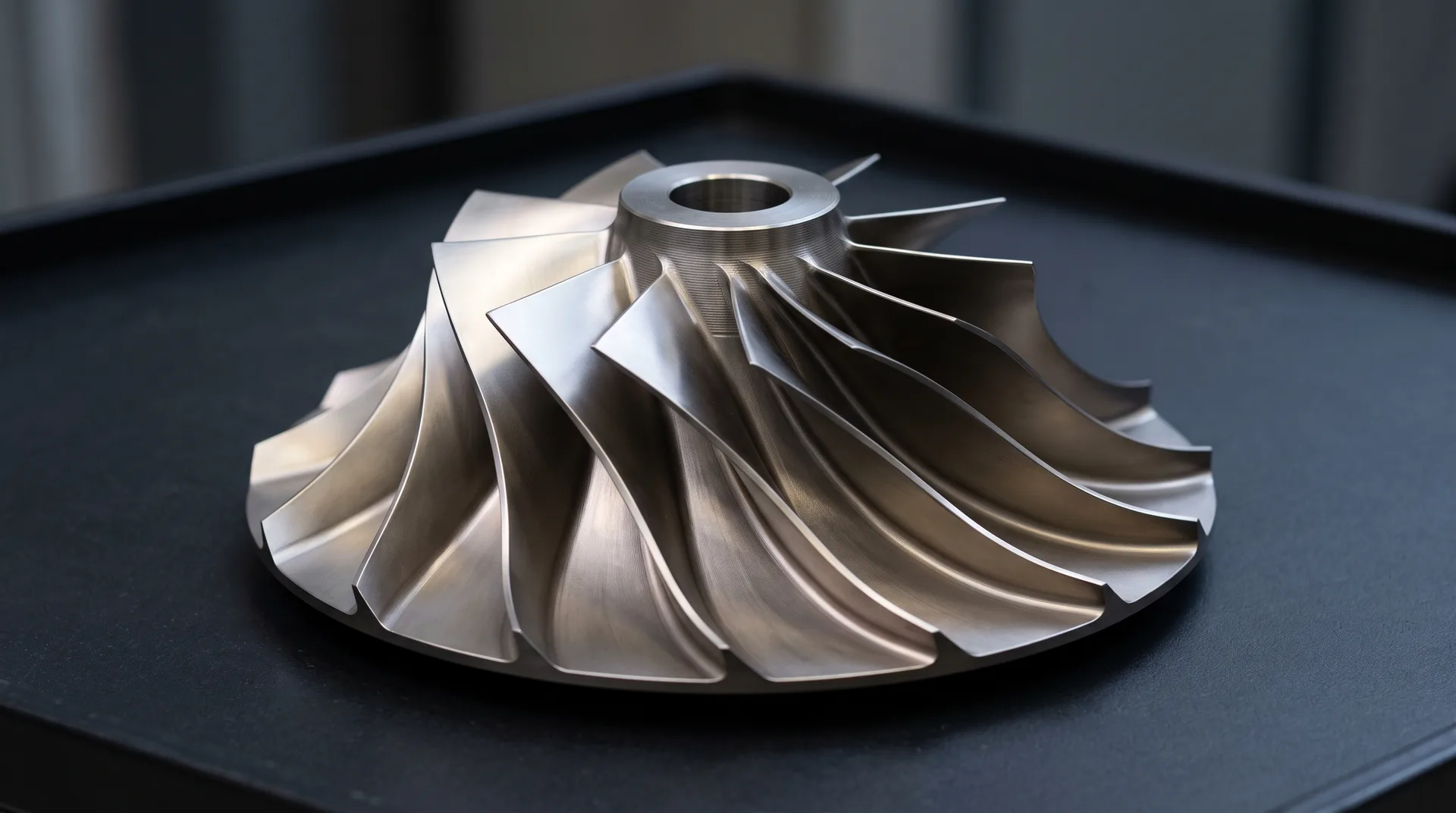
Titanium is the connection most readers will anticipate, since rutile and ilmenite are the feedstocks from which titanium sponge, ingot and mill product are made. The more instructive link is hafnium. It arrives as a by-product of separating zirconium, which itself begins as zircon, and it earns its place in the single-crystal blades and vanes at the hot end of a jet engine. A mineral-sands assemblage therefore touches an aero-engine twice over, through two different mineral routes that most readers would not connect. Rare earths add a third path, more quietly, in the compact motors and actuators that move flight-control surfaces and run auxiliary systems.
The route from mineral to qualified part runs through sponge, melting and forging, and it is governed throughout by specifications that reward consistency over cost. Revert and machining scrap circulate back through the mills as a matter of course, and an approved materials list changes slowly enough to be a supply-side fact in its own right. Aerospace demand also competes with other end uses for the same feedstock, which is why an aero-grade specification is a claim on a queue as much as on a material.
Three resource pages carry the underlying material — Titanium/Rutile, Hafnium and Zirconium/Zircon. For the systems that fly beyond the atmosphere, Space continues the subject; for the procurement rules that shape military aerospace specifically, Defence is the page to read alongside this one.