 ASX: OSM · Orión Project
Minerals Hub / Applications & Industries / Medical Technologies
Applications & Industries · Section 07 of 11
Medical Technologies
Materials that go inside the body are selected for what they do not do. They must not corrode, provoke a reaction, or shed particles, and they must keep those properties for as long as the patient needs them. That requirement narrows the field sharply, and it is how a mineral-sands assemblage ends up in an operating theatre. This page treats medical devices and diagnostics as one of the places these minerals finish up.
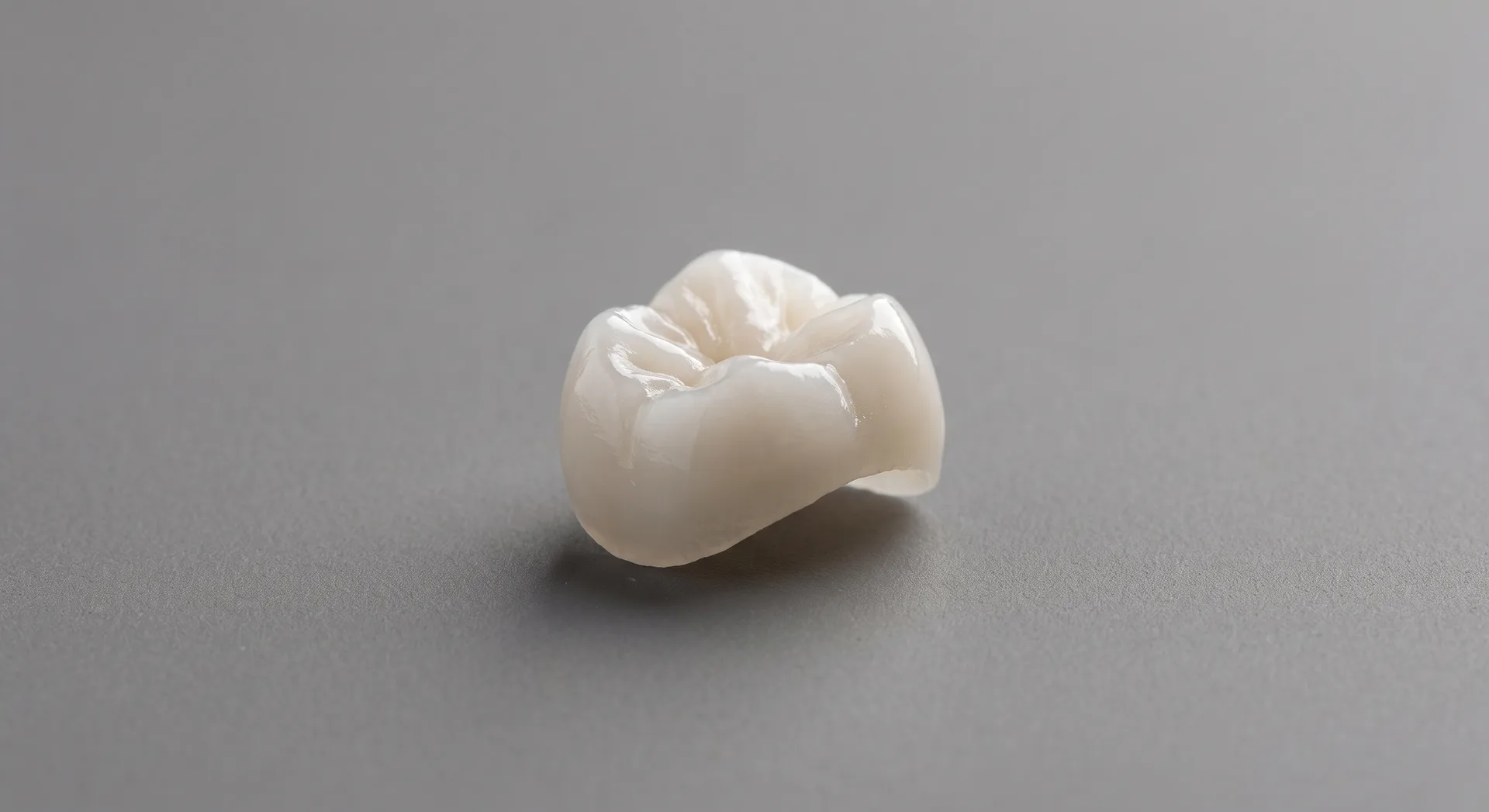
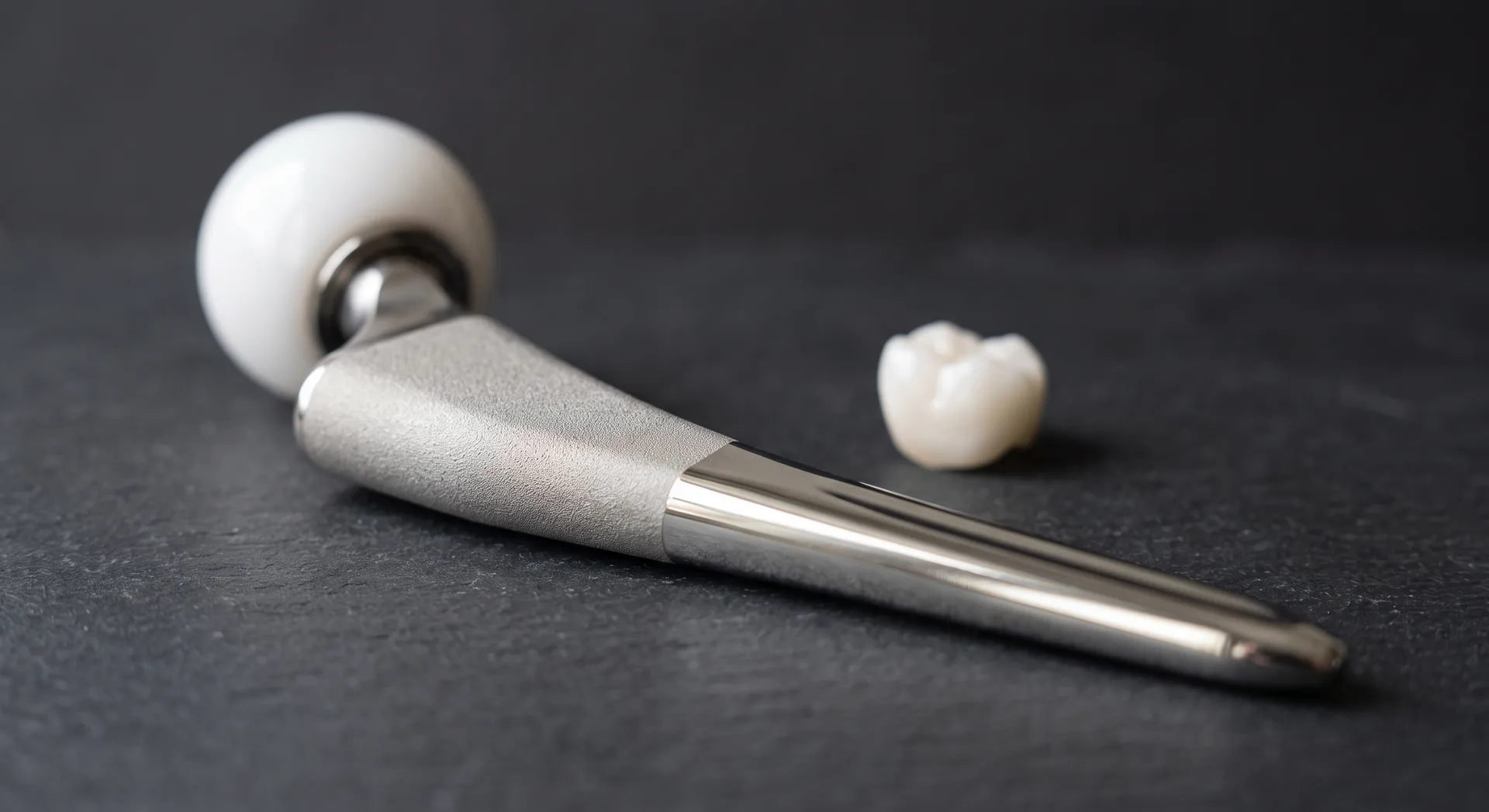
Titanium is the reference case: it resists body fluids, is tolerated by tissue, and bonds with bone well enough that orthopaedic and dental implants are built around the fact. Zirconia, made from zircon, gives dental crowns and bearing surfaces hardness and a tooth-like appearance that metals cannot match. The rare earths work mostly in imaging — as contrast agents, as the scintillator crystals in scanners that convert radiation into light, and as the magnets in imaging and surgical equipment. Yttrium and lutetium compounds also appear in targeted radiotherapy, which is a small-volume, high-value use of elements the Orión assemblage carries.
Behind each of these applications sits a material requirement and a regulatory route the material has to travel before it can be used at all — approval, not availability, is usually the binding constraint. Sterilisation and processing alter how a material performs, the naturally occurring radioactivity in monazite is managed on the mining side rather than the medical one, and substitution in this field is unusually slow because a change of material reopens an approval.
Start with Titanium/Rutile and Zirconium/Zircon for the structural materials, and Rare Earths for the imaging and therapeutic side. Regulation covers the approval architecture, and Research Organisations names the bodies that develop and test these materials.