 ASX: OSM · Orión Project
Minerals Hub / OSM Core Resources / Titanium/Rutile

01 Overview02 Properties03 Occurrence04 Exploration05 Mining06 Processing07 Applications08 Global Supply09 Major Projects11 Supply Chain12 Market Context13 Sustainability14 Related Companies15 Related Technologies16 Latest Articles
Titanium/Rutile is the family of minerals that carry titanium into industry. Two of them are assayed at Orion: rutile and ilmenite. Bulk channel samples returned rutile 13.36-13.49% and ilmenite 4.82-6.19% - mass-balance estimates calculated from oxide assays rather than direct measurements, as at 19 Feb 2026, and grades for those bulk samples, not for the deposit. Osmond describes Orion as rutile-dominant, rutile outweighing ilmenite by roughly two to one or more. Orion has no JORC-compliant Mineral Resource or Reserve: exploration results and mineralogical estimates only, with a maiden MRE and Scoping Study pending, targeted Q3 CY26. The per-mineral record lives in the dossiers; the science of the element lives on the element page.
Rutile and Ilmenite dossiers (bulk channel samples, mass-balance basis, 19 Feb 2026); Osmond commentary on rutile dominance; shared JORC status and MRE/Scoping Study timing.
What separates the two titanium carriers is how much titanium dioxide each holds. As general mineralogy, natural rutile runs about 95% TiO2 while ilmenite runs 35-65% TiO2 - the reason rutile is treated as the premium feedstock and ilmenite as the bulk one, and the reason the balance between them in any assemblage matters. TiO2 itself has an exceptionally high refractive index, around 2.5, and that single property is what makes it a white pigment. These are general properties of the minerals and the oxide, not measurements of Orion material; Orion's own oxide assays and mass-balance mineral estimates sit in the dossiers, and crystal structure, metallurgy and the element's full property set sit on the element page.
General mineralogy (rutile ~95% TiO2, ilmenite 35-65% TiO2), flagged as general; TiO2 refractive index ~2.5 from articles 09/12.
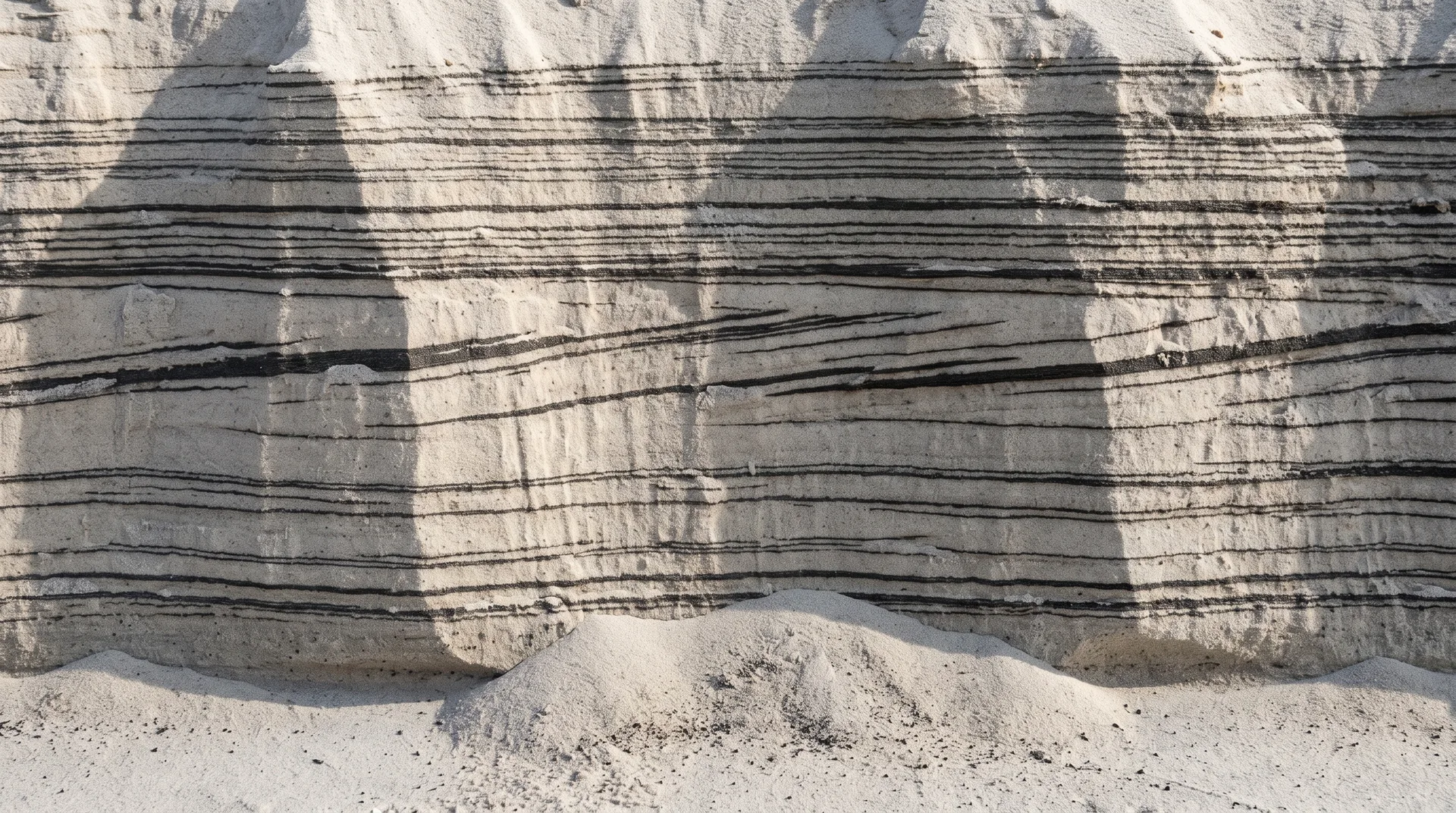
Orion's titanium minerals occur in a lithified tidal-sand placer - a heavy-mineral placer since cemented into a weakly laminated quartzite of the Pochico Formation, in Jaen Province, Andalucia, Spain. Heavy-mineral layers run 0.3-4.0 m thick. Bulk channel samples returned total heavy minerals of 29.4-32.8%, with up to roughly 40% estimated in the AV-01bis interval; that discovery interval carried about 13.0% rutile. Rutile and ilmenite do not occur alone here - they sit in one assemblage alongside zircon, which is why the same samples support more than one Resource Hub. All mineral percentages are mass-balance estimates from oxide assays, not directly measured, and are grades for the bulk samples rather than for the deposit. Interval detail is in the dossiers.
Shared deposit-type, heavy-mineral-layer and bulk-sample THM items; Titanium/Rutile AV-01bis rutile figure (19 Feb 2026 basis).
Orion is at the exploration-results stage. The permit covers 232 km2 across 772 mining units in Jaen Province, and the drilling programme stood at 9 holes for 2,806 metres as at 19 Feb 2026, with assays pending on several. There is no JORC-compliant Mineral Resource or Reserve. What exists is exploration results and mineralogical estimates, the mineral percentages being mass-balance calculations from oxide assays rather than direct measurements. A maiden Mineral Resource Estimate and a Scoping Study are pending, targeted Q3 CY26. Titanium is one of several products assayed from the same drill core and channel samples, so the programme is not a titanium programme in isolation. Hole-by-hole results and assay tables belong to the dossiers.
Shared programme statement (9 holes / 2,806 m, 19 Feb 2026), permit dimensions, JORC status and MRE/Scoping Study timing.
As a general matter of the industry, titanium minerals are won two ways that have almost nothing in common. Most of the world's supply comes from heavy-mineral sands, and there the ore is unconsolidated: it is dredged with a floating plant cutting its own pond, or dry-mined with excavators and trucks, and it reaches a concentrator without drilling, blasting or grinding. Such a mine is an earthmoving operation, and because zircon and monazite ride in the same sand as by-products, the whole operation is sized by titanium economics. The other way is hard rock - massive ilmenite bodies mined conventionally, by drill, blast and haul into a mill. Orion belongs to neither cleanly. It is a lithified tidal-sand placer, a heavy-mineral placer since cemented into a weakly laminated quartzite of the Pochico Formation, so its titanium minerals sit in a placer assemblage but in rock that has to be broken and comminuted first. On mining method that places it nearer the hard-rock model than the sand one, and a reader coming from an operating mineral-sands mine should not carry that picture across. Nothing beyond the geology is published. Osmond has stated no mining method, no mining rate, no schedule, no strip ratio and no capital estimate for Orion. The heavy-mineral layers are 0.3-4.0 m thick, and Orion remains pre-resource: no JORC Mineral Resource or Reserve, with a maiden MRE and Scoping Study targeted Q3 CY26.
General industry characterisation of heavy-mineral-sand mining and of hard-rock titanium mining, flagged as general in-sentence; shared deposit-type item (lithified tidal-sand placer, Pochico Formation quartzite) and heavy-mineral- layer thickness 0.3-4.0 m; shared JORC status and MRE/Scoping Study timing. No Orion mining-method, rate, schedule or cost material exists in the record - recorded as absent, not inferred. The consequence drawn from lithification is about which general method could apply, not a statement about Orion's plans.
Titanium feedstock reaches pigment by two industrial routes. The sulfate process takes lower-grade feedstocks such as ilmenite directly. The chloride process favours higher-titanium feedstocks and accounts for roughly two-thirds of world production. Which route a concentrate can serve therefore turns on its titanium content - the practical weight behind the general-mineralogy gap between rutile at about 95% TiO2 and ilmenite at 35-65%. Osmond's initial titanium product is described as a mixed titanium concentrate with high rutile content, with dedicated titanium testwork ongoing as at 3 Mar 2026; no processing route has been established for Orion material. Article 17 sets out both routes in full.
Article 17 (sulfate and chloride routes, ~two-thirds of world production); Osmond product description and testwork status, 3 Mar 2026; general mineralogy TiO2 contents.
Titanium serves two largely separate worlds. As metal, titanium alloys go into jet engines and airframes - Ti-6Al-4V the workhorse alloy, and roughly 15% of a modern widebody's structural weight. As oxide, TiO2 is the white in paint, plastics and paper, its exceptionally high refractive index of around 2.5 doing the work. The two ends draw on the same mineral feedstocks but diverge completely downstream, which is why titanium is discussed as ore, oxide and metal separately rather than as one stream. This section describes what the family is used for in the world; nothing from Orion has been sold, qualified or contracted for any end use. Articles 09 and 12 carry the detail.
Articles 09 and 12 (Ti-6Al-4V and ~15% of widebody structural weight; TiO2 pigment and refractive index ~2.5).
Titanium is best read as three markets, and the world figures show why. At the ore and concentrate stage, world production runs about 4,520,677 t/yr measured as titanium content; at the oxide stage, about 4,497,005 t/yr, also as titanium content; at the metal stage, about 194,455 t/yr. All three are on the USGS Mineral Commodity Summaries 2025 basis, data year 2024. Set the first two against each other and the shape of the industry appears: essentially all the titanium mined ends up as oxide. The metal stage is roughly four per cent of it. Titanium is, in tonnage terms, a pigment business with an aerospace business attached, and a single titanium production number that does not say which stage it means is not a number at all. Two cautions on reading these figures against the European ones. Those are on SCRREEN's 2016-2020 basis and these are 2024, so they are not contemporaneous. And these are titanium content rather than tonnages of rutile, ilmenite or pigment, which are larger and differ from one another; this hub does not convert between them. Beyond the three stage totals the record is thin, and the gaps are named rather than filled: no producing-country breakdown, no reserve figure and no trade data are carried here. Orion contributes nothing to any of it. Osmond is an exploration-stage company with no JORC Mineral Resource, no production and no published tonnage of any kind.
EU/world reference table, world column - USGS Mineral Commodity Summaries 2025 (data year 2024) for titanium ore/concentrate 4,520,677 t/yr, oxide 4,497,005 t/yr and metal 194,455 t/yr, all titanium content; the same table's SCRREEN 2016-2020 vintage note for the non-comparability warning. The four-per-cent comparison is arithmetic on two of the stated figures and is labelled as such. Shared JORC status. Producing-country, reserve and trade figures are absent from the record and are recorded as absent.
Titanium differs from its co-products in one way that matters here: as a general matter of the industry, titanium projects exist for their own sake. A mineral-sands development is financed on its titanium feedstock, with zircon and monazite improving the economics rather than driving them, and hard-rock ilmenite mines are titanium mines outright. The question asked of any such project is not only how much titanium is in the ground but what form it is in, because feedstock grade decides which pigment route the product can serve. Orion is the only project this publication carries, and no other titanium project is named or described in the material behind it. As a project it is held under Spanish Investigation Permit 16271, granted, covering 232 km2 across 772 mining units in Jaen Province, Andalucia - a figure current since 12 June 2026, and one that has grown twice, so any earlier count should be read with its date rather than treated as wrong. Osmond's interest is indirect and staged, running through an 80% holding in Iberian Critical Minerals to 75.5% of the entity that holds the permit. Its published titanium characteristic is rutile dominance, and its stated initial titanium product is a mixed concentrate with high rutile content. No titanium concentrate grade currently stands: dedicated titanium testwork was ongoing as at 3 March 2026, and the one titanium concentrate figure that reached the market was a design figure in the 14 August 2026 release, retracted on 17 August 2026 after ASX ruled that statement a production target under Listing Rule 5.16. The maiden MRE and the Scoping Study are both undelivered and targeted before the end of Q3 CY26.
General industry characterisation of titanium as the financing driver of mineral-sands and hard-rock projects, flagged as general in-sentence; ASX:OSM release 3 Jul 2026 and the 12 Jun 2026 restatement for 232 km2 / 772 mining units, dated rather than corrected; ASX:OSM 14 Aug 2026 JORC tenement table for Investigation Permit 16271 granted; ASX:OSM release 19 Feb 2026 for the ownership chain and for rutile dominance; ASX:OSM release 3 Mar 2026 for the mixed titanium concentrate description and for titanium testwork being ongoing; ASX:OSM Retraction Statement 17 Aug 2026 (retracting the 14 Aug 2026 processing-design statement under LR 5.16), which is why no titanium concentrate grade is quoted here; shared JORC status and MRE/Scoping Study timing.
"Australian Projects" vs the Spain-only hub decision — open question for OSM.
Europe's titanium position separates sharply by stage. On SCRREEN's 2016-2020 basis, EU ore and concentrate runs about 456,539 t/yr at roughly 100% import reliance; oxide (TiO2) about 425,694 t/yr at 18% import reliance; and metal about 9,812 t/yr at roughly 100% import reliance, with no EU sponge capacity at all. Europe owns the processing middle and neither raw end - it makes pigment, and buys both its feedstock and its finished metal from outside. The three stages behave as three markets with three different dependencies, and these figures should be read on that 2016-2020 basis rather than as current. Article 05 gives the stage-by-stage breakdown.
Article 05, EU position on SCRREEN 2016-2020 basis (all three stage volumes and import-reliance figures).
Titanium's EU policy position rests on the Critical Raw Materials Act (Regulation 2024/1252, adopted 11 April 2024, in force 23 May 2024). Annex I, the strategic raw materials, includes titanium metal; Annex II lists the 34 critical raw materials. The Act's 2030 benchmarks attach to the Annex I list: at least 10% extraction, 40% processing and 25% recycling of annual EU consumption, no more than 65% of any strategic raw material from a single third country, and 27-month permitting for Strategic Projects. Those benchmarks therefore land at the metal stage - the same stage at which, on SCRREEN's 2016-2020 basis, the EU has no sponge capacity and is roughly 100% import-reliant. The hub records both facts and does not reconcile them.
Article 08 (CRMA Regulation 2024/1252, Annex I and II, 2030 benchmarks, single-country ceiling, permitting timeline); article 05 for the metal- stage import-reliance and sponge-capacity position.
The titanium industry's defining environmental question is not at the mine. As a general matter of the industry it sits in the pigment plant, and it divides by route. The sulfate process takes lower-grade feedstock and generates large volumes of spent acid and iron sulfate for every tonne of pigment; the chloride process needs a higher-titanium feed and produces a chloride residue instead, and the shift towards it was driven as much by waste as by product quality. That is why feedstock grade is an environmental variable and not only a commercial one. At the mining end, the general practice in mineral sands is progressive rehabilitation behind a moving face, and the radiological questions belong to the zircon and monazite streams rather than to the titanium minerals themselves; the Zirconium hub carries that material. None of it has been quantified for Orion, and the reason is structural rather than accidental: no processing route has been selected, so the single largest determinant of a titanium operation's environmental profile is undetermined here. No environmental impact assessment, no permitting timeline beyond the exploration stage, and no water, energy, tailings or rehabilitation material has been published for Orion. One published item touches the subject without measuring it: the tenement disclosure notes compatibility with the ZEC ES6160008 conservation area. Osmond's description of the ore as carrying very low levels of deleterious elements is a product-quality statement, not an environmental one, and the release does not define which elements it means.
General industry characterisation of sulfate and chloride route waste streams and of progressive rehabilitation in mineral sands, flagged as general in-sentence; ASX:OSM release 3 Mar 2026 for no processing route having been established for Orion material; ASX:OSM 14 Aug 2026 JORC tenement table for the ZEC ES6160008 conservation-area compatibility note (unaffected by the 17 Aug 2026 retraction, which reached the processing-design statement only); ASX:OSM release 19 Feb 2026, verbatim, for the deleterious-elements description. No Orion environmental, permitting, water, energy or tailings data exists in the record - recorded as absent.
As a general matter of the industry, the titanium chain is worked by four kinds of company that rarely overlap. Mineral-sands producers mine and separate the heavy-mineral assemblage and sell rutile, ilmenite and their co-products. Pigment producers buy the overwhelming majority of that output - the world figures under Global Supply show almost all mined titanium arriving at the oxide stage - and it is their route choice, sulfate or chloride, that sets what feedstock they will take. Sponge and metal producers form a much smaller third group serving aerospace and industry. Fourth, and separately, sit the feedstock upgraders who turn ilmenite into slag or synthetic rutile. A titanium producer is therefore not one kind of business, and which kind a company is determines what a deposit is worth to it. None of those companies are named here. No titanium miner, pigment producer, metal producer, upgrader or peer explorer is identified in the material behind this hub, and this section is not filled by inference from the structure above it. The only company in the record is Osmond Resources itself - ASX: OSM, also quoted in Frankfurt as 4OG - an exploration-stage company with no Mineral Resource, no production, no product and no announced customer, offtake agreement or joint-venture partner for Orion titanium. The one third party that does appear is a service provider rather than a commercial counterparty: SGS, which carried out the preliminary metallurgical testwork reported on 3 March 2026.
General industry characterisation of the four segments of the titanium chain, flagged as general in-sentence, with the pigment share drawn from the world stage totals recorded under Global Supply rather than restated as a separate figure; ASX:OSM release 3 Mar 2026 for the SGS preliminary metallurgical testwork; ASX:OSM 14 Aug 2026 for the Frankfurt quotation (4OG), a listing detail unaffected by the 17 Aug 2026 retraction. No producer, processor, upgrader or peer is named because none appears in the record, and no offtake, customer or joint-venture arrangement for Orion titanium has been announced - recorded as absent.
Processing on this hub covers the two pigment routes and Applications covers the end uses. Two families of technology sit outside both, and they are where most of the industry's engineering effort goes. The first is feedstock upgrading. As a general matter of the industry, ilmenite can be raised towards rutile grade before it ever reaches a pigment plant - smelted to a titania slag in an electric furnace, or leached of its iron to make synthetic rutile - and these processes exist because the chloride route wants a high-titanium feed while most of the world's titanium is mined as ilmenite. A rutile-rich concentrate can reach that route without them; an ilmenite-rich one generally cannot. The second is metal-making. Titanium sponge is still produced by the Kroll process, a batch magnesium reduction of titanium tetrachloride that has resisted replacement for eighty years and is the main reason titanium metal costs what it does; sponge is then melted, usually by vacuum arc remelting, before it becomes an alloy. Powder routes and additive manufacturing sit downstream of that again. None of this has been established or tested for Orion material. Osmond has published no upgrading route, no smelting or leaching step, no metal route and no titanium concentrate grade that currently stands; the described initial product is a mineral concentrate, and dedicated titanium testwork was reported as ongoing as at 3 March 2026.
General industry characterisation of titania slag and synthetic rutile as feedstock-upgrading routes, and of the Kroll process and vacuum arc remelting for metal, flagged as general in-sentence; ASX:OSM release 3 Mar 2026 for the mixed titanium concentrate description and for titanium testwork being ongoing; ASX:OSM Retraction Statement 17 Aug 2026 for why no titanium concentrate grade is quoted. No upgrading, smelting or metal route for Orion material appears in the record - recorded as absent, not inferred from statements of forward direction.
 Mining & ProductionOrión Project OverviewCross-listed from Mining & Production
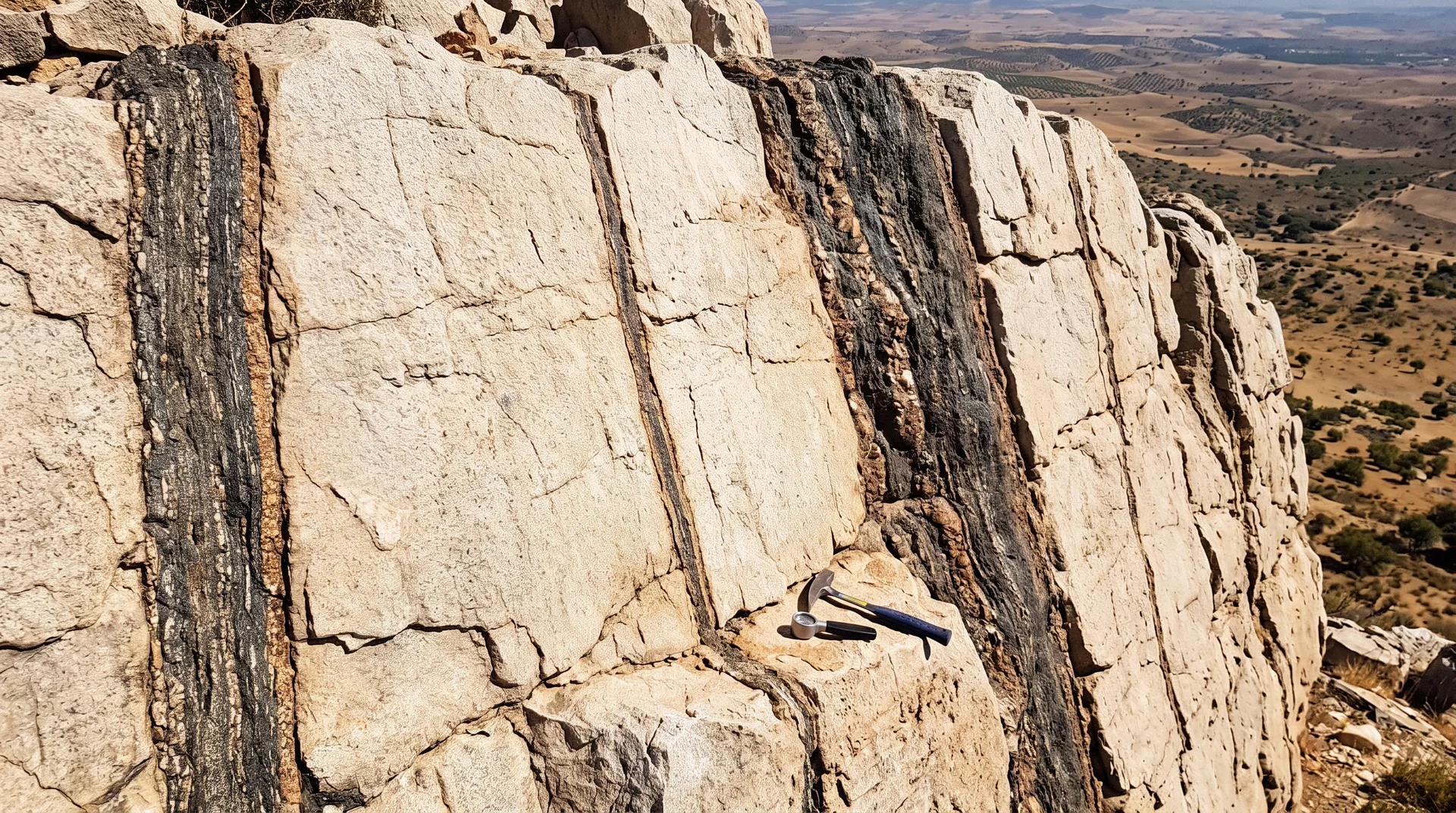 Mining & ProductionReading the Orión seams: what the heavy-mineral layers tell usCross-listed from Mining & Production
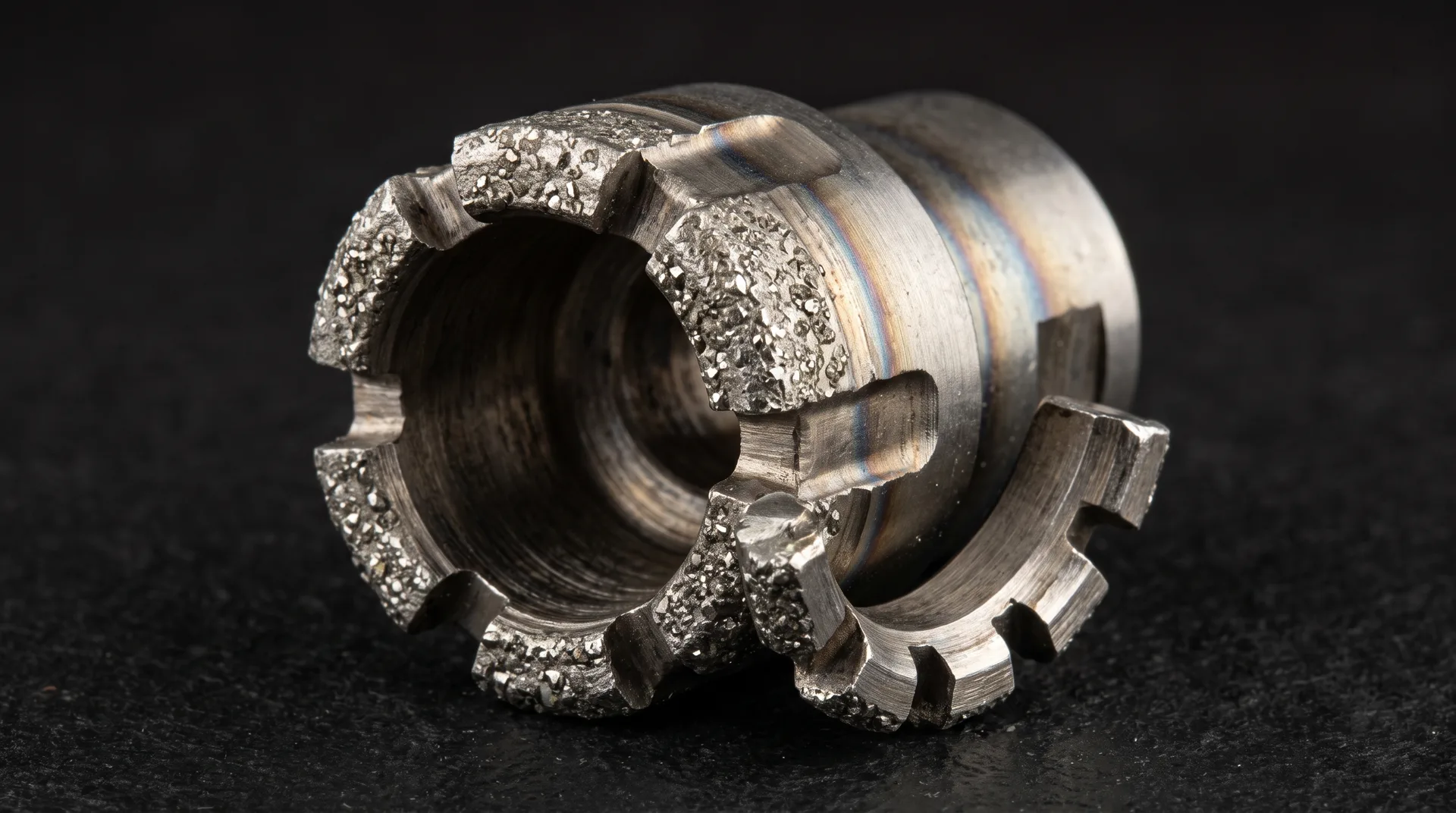 Mining & ProductionFrom outcrop to 187.8 metres: what the maiden drilling foundCross-listed from Mining & Production
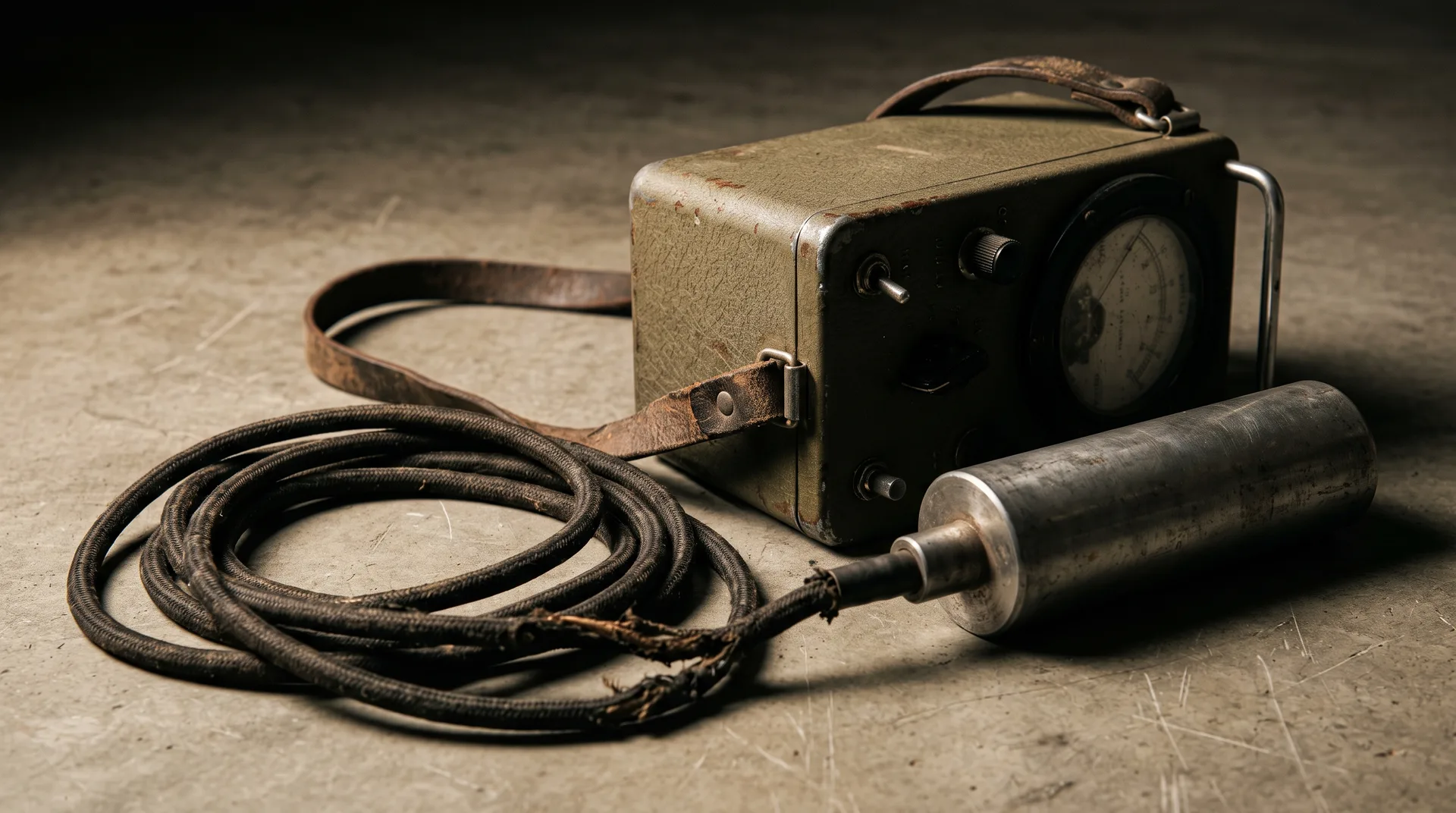 Mining & ProductionExplored for uranium. Worked for lead. Not, on the record, for titanium.Cross-listed from Mining & Production
 Geography & Supply ChainsEurope owns the middle of titanium — and neither end.Cross-listed from Geography & Supply Chains
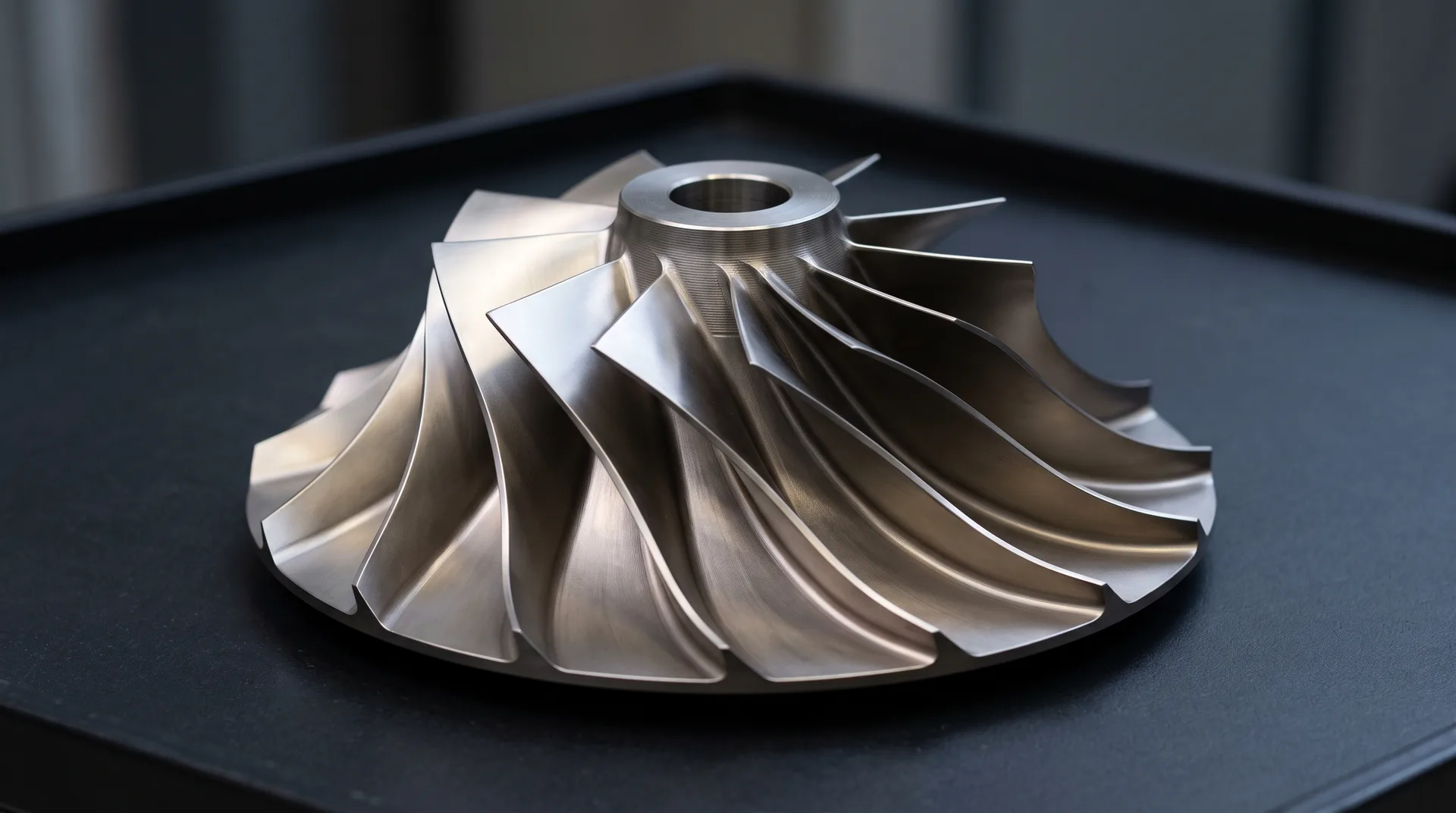 Applications & IndustriesWhy aerospace still can't design titanium outCross-listed from Applications & Industries
 Applications & IndustriesThe white in everything: ilmenite and TiO₂ pigmentCross-listed from Applications & Industries
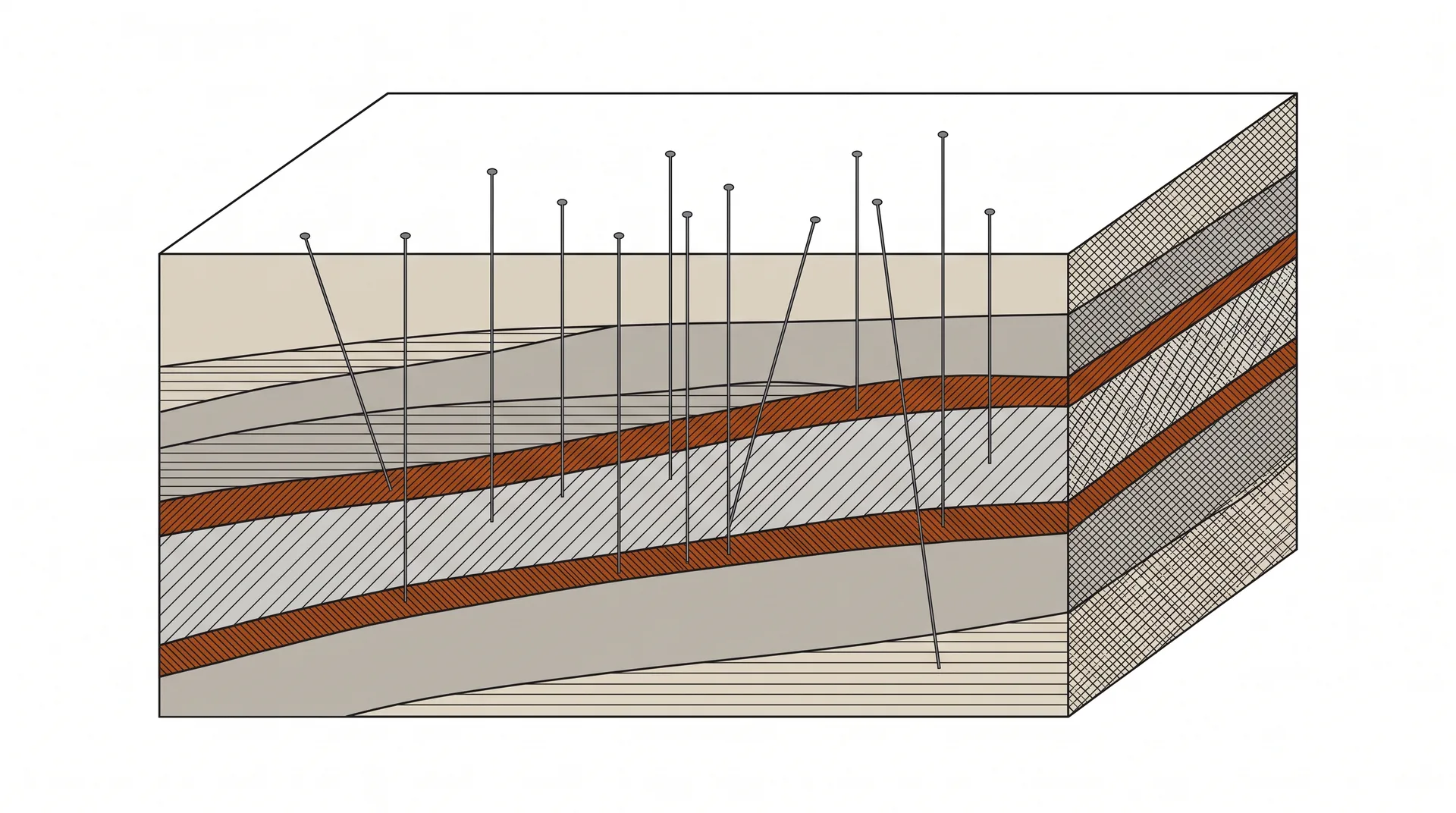 Markets & EconomicsThe road to a maiden resource: what has to happen, and whenCross-listed from Markets & Economics
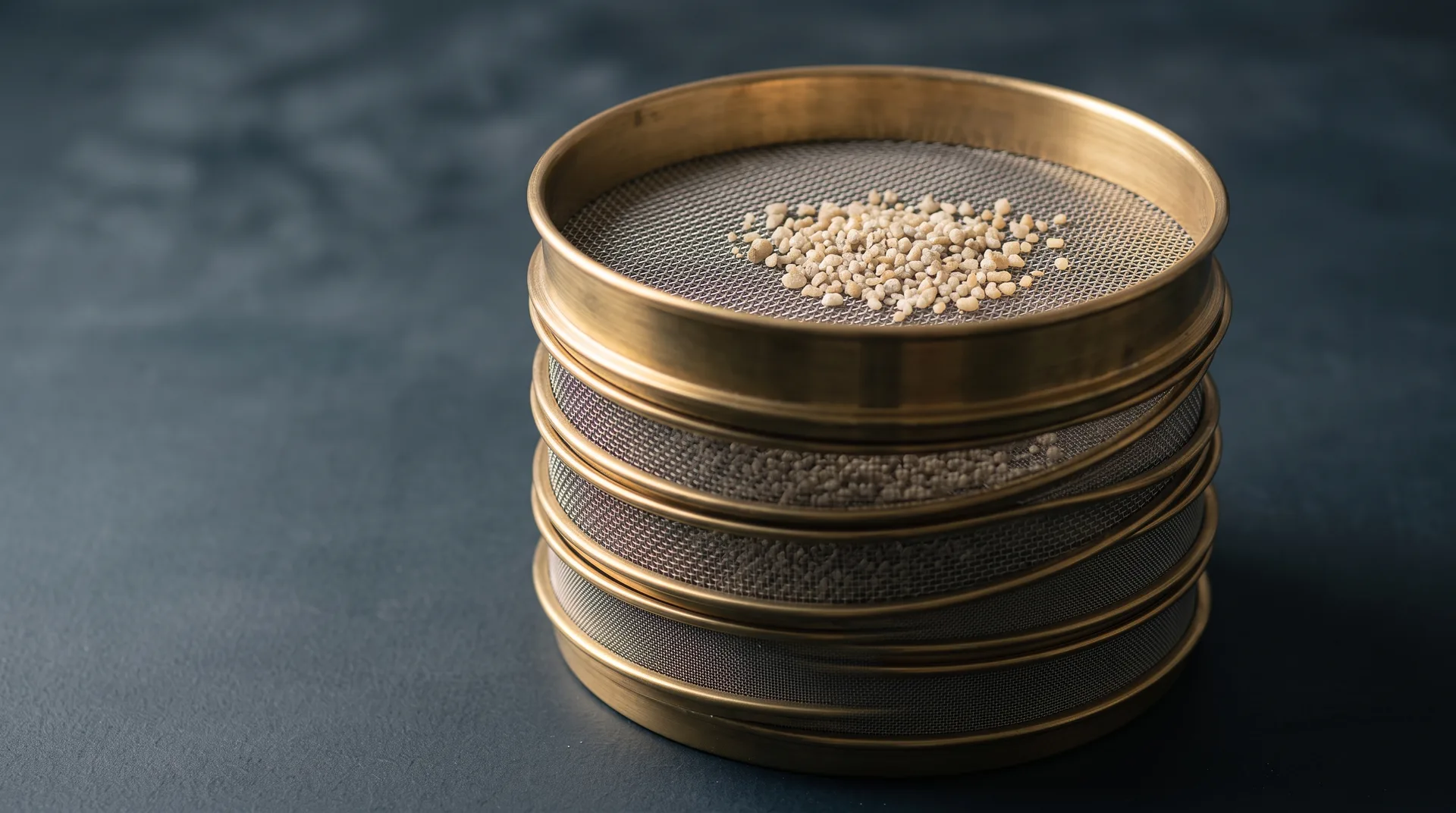 Markets & EconomicsHow to read an early-stage mineral-sands explorerCross-listed from Markets & Economics
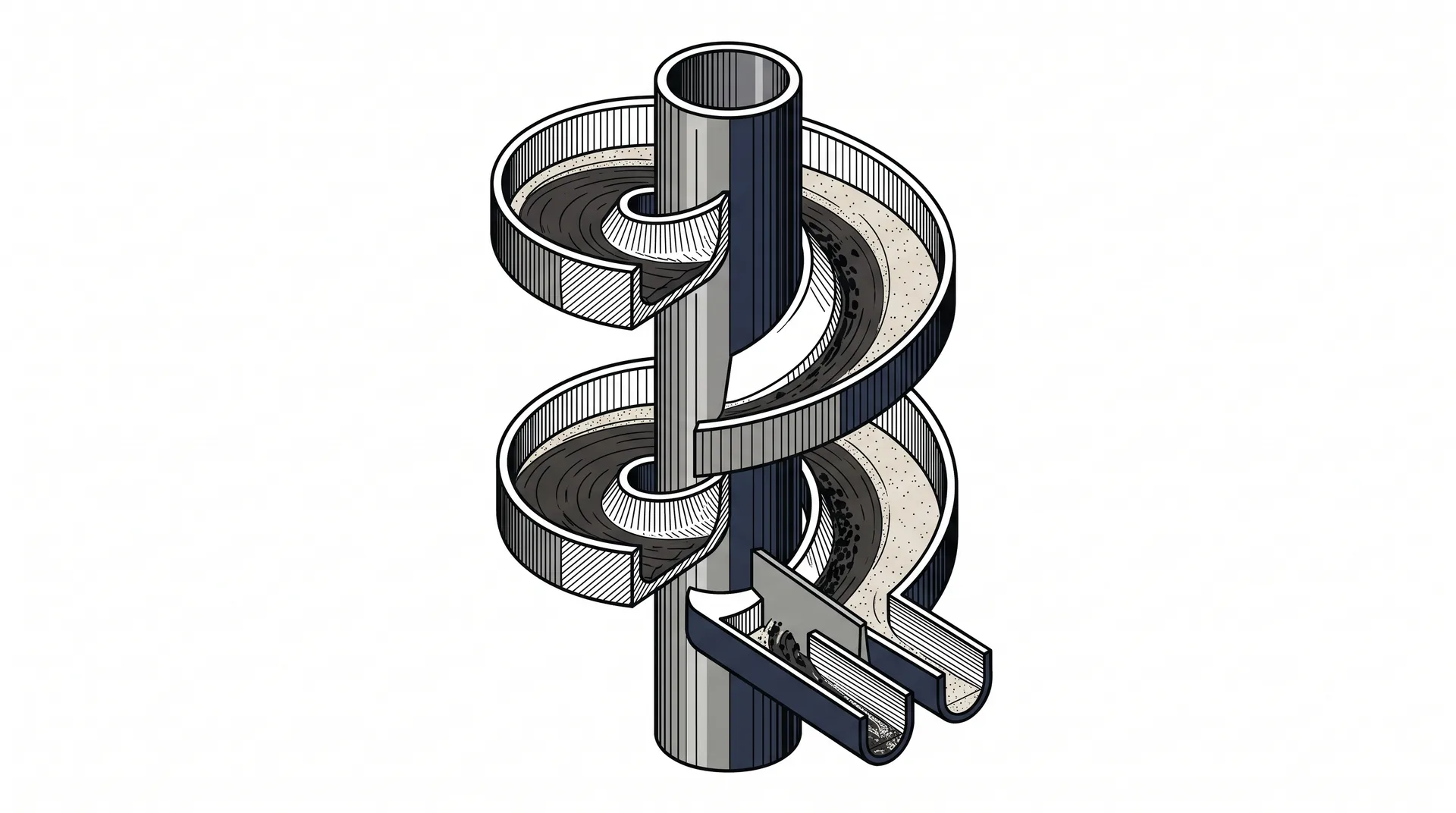 Markets & EconomicsWhy co-products change mineral-sands economicsCross-listed from Markets & Economics
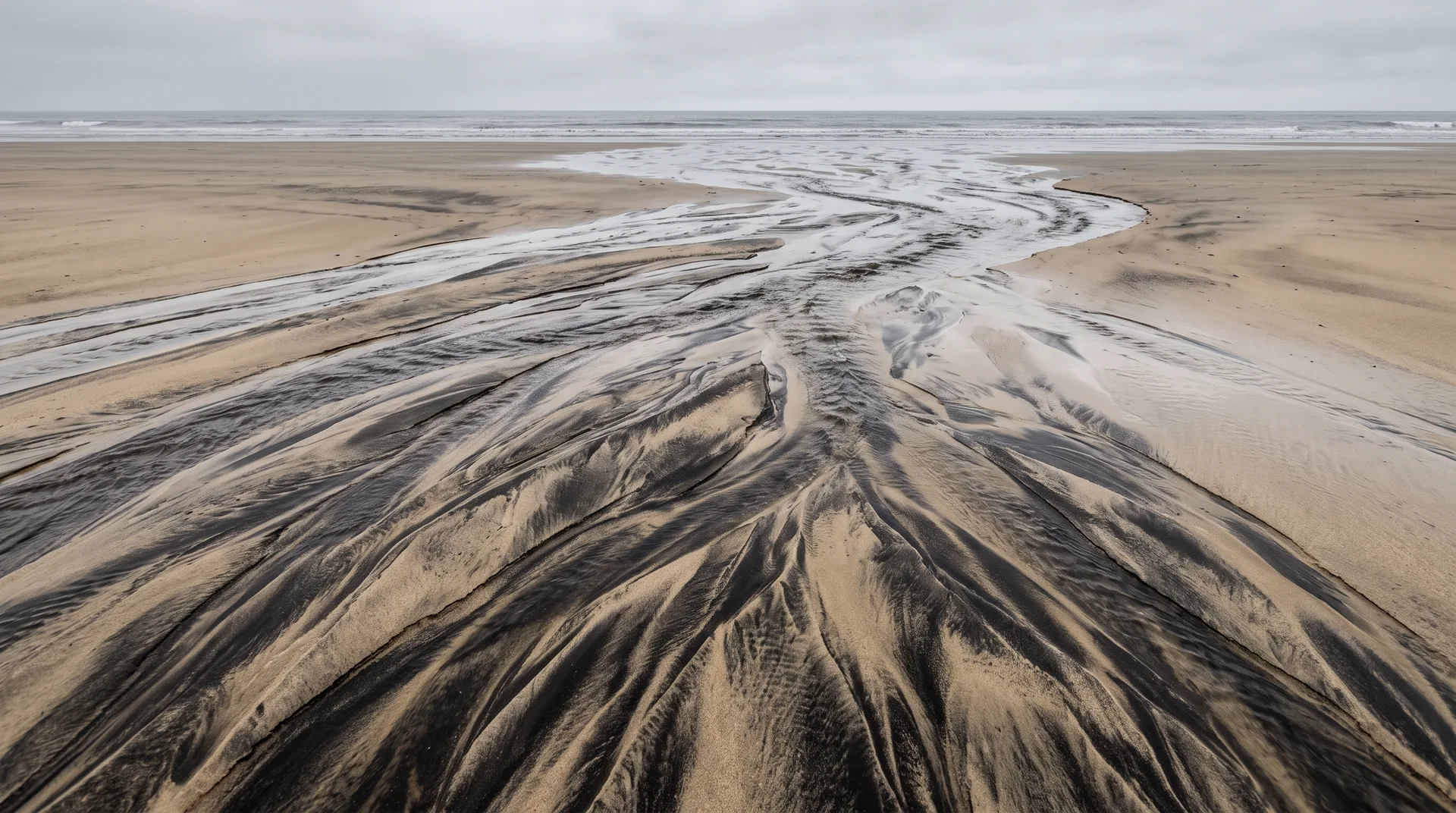 Mining & ProductionWhat a lithified placer actually isCross-listed from Mining & Production
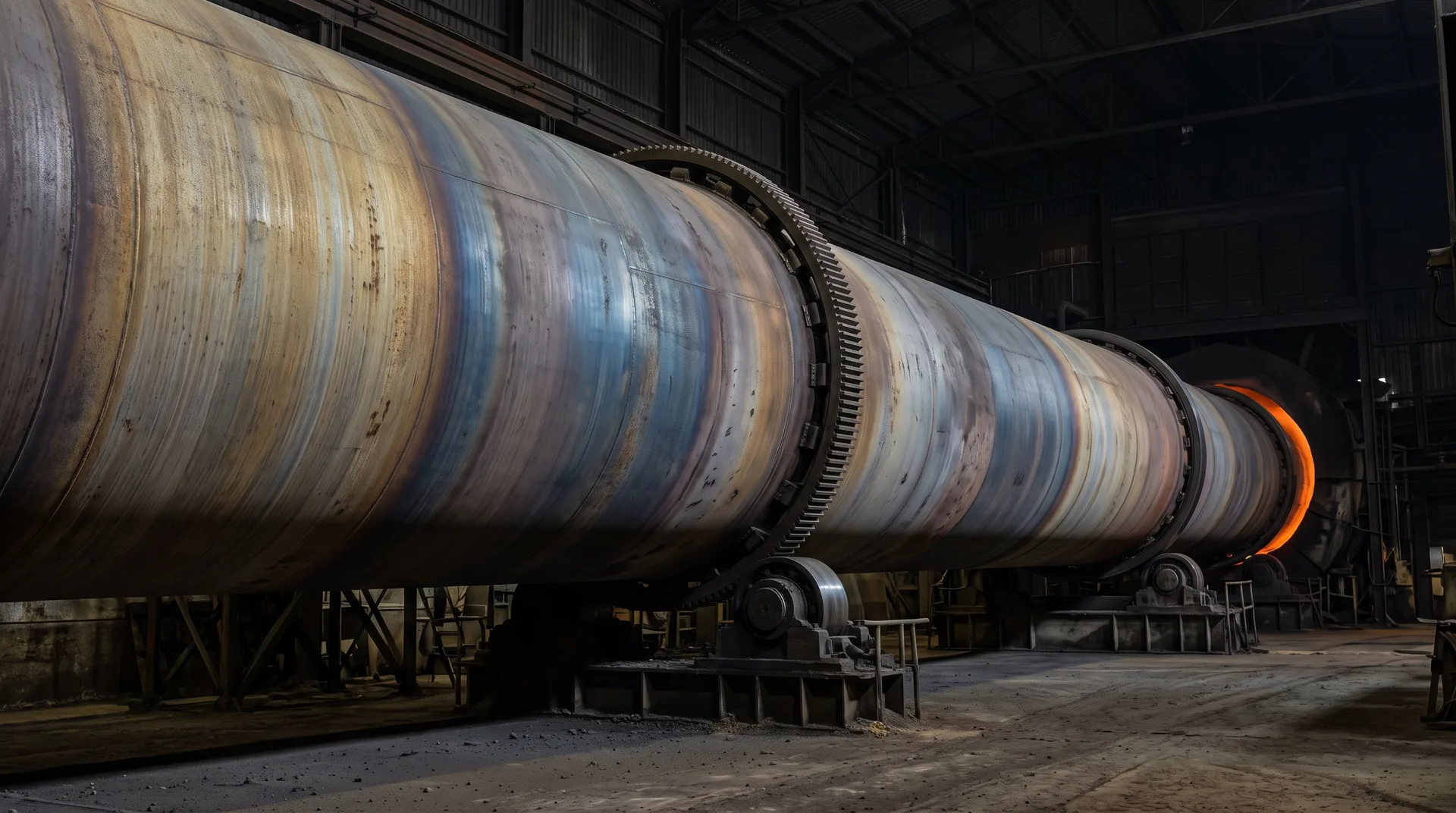 Mining & ProductionRutile vs ilmenite: why the split mattersCross-listed from Mining & Production
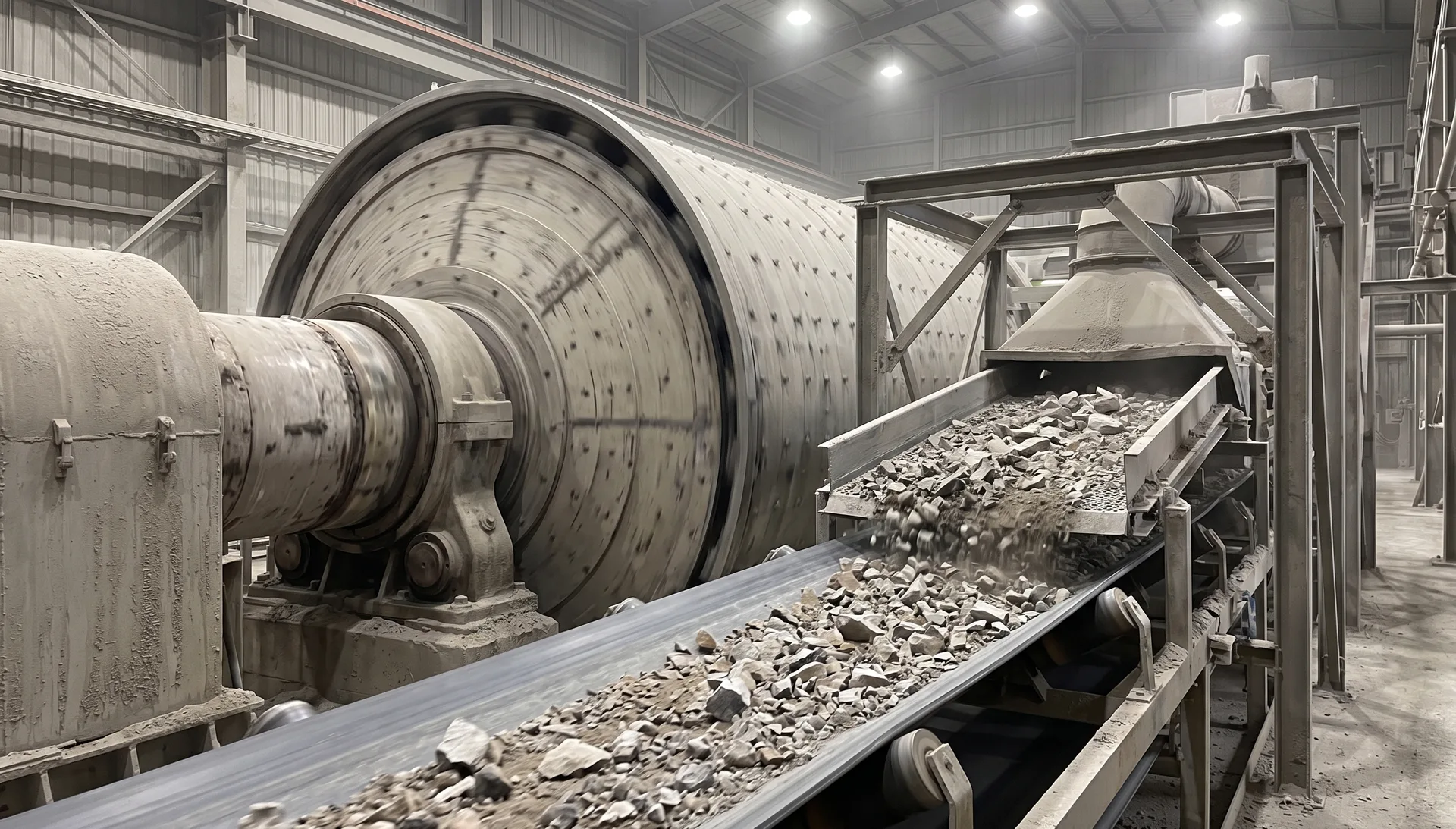 Mining & ProductionBreaking rock without breaking the grainsCross-listed from Mining & Production
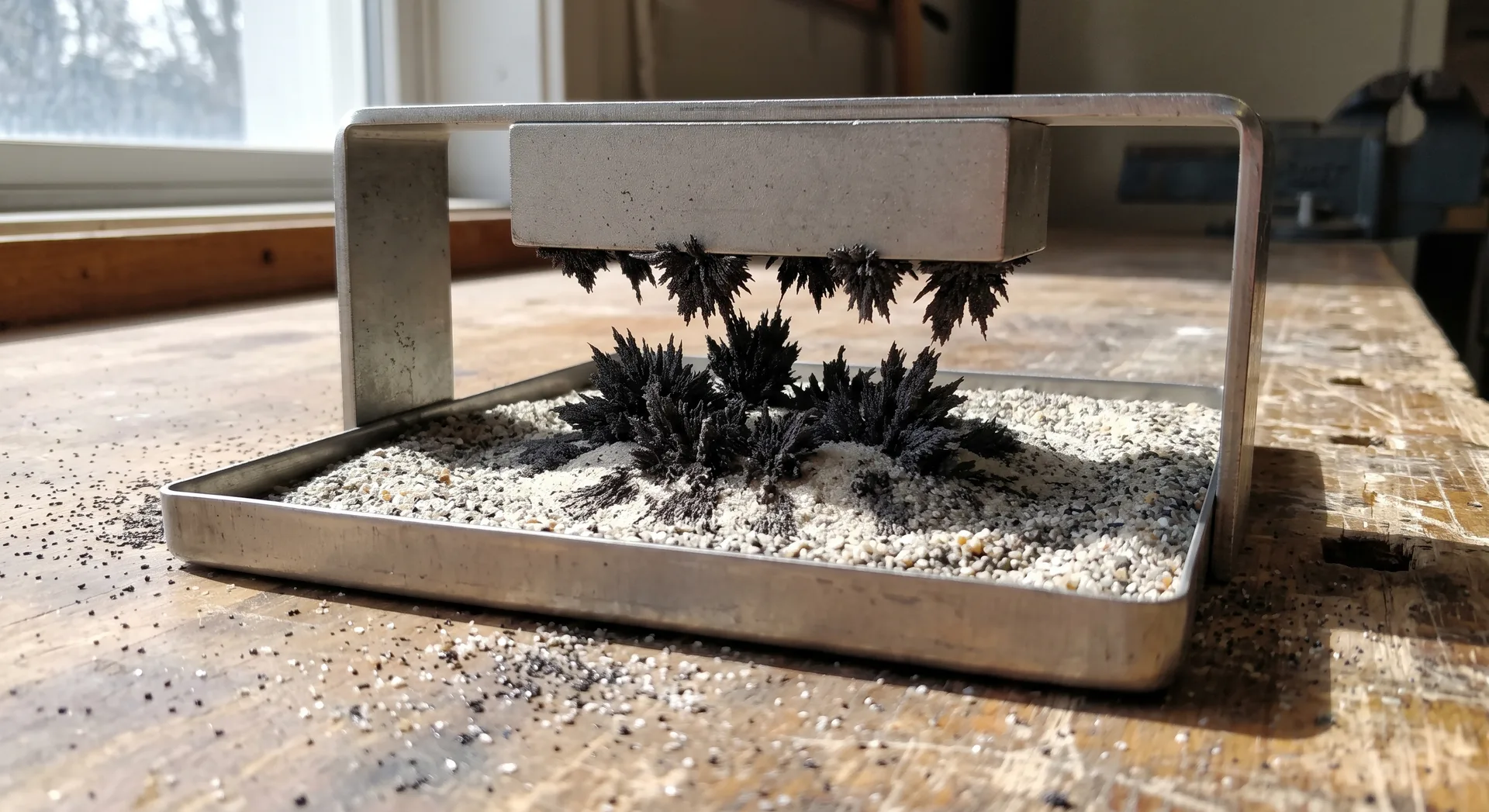 Mining & ProductionHow two properties sort four mineralsCross-listed from Mining & Production
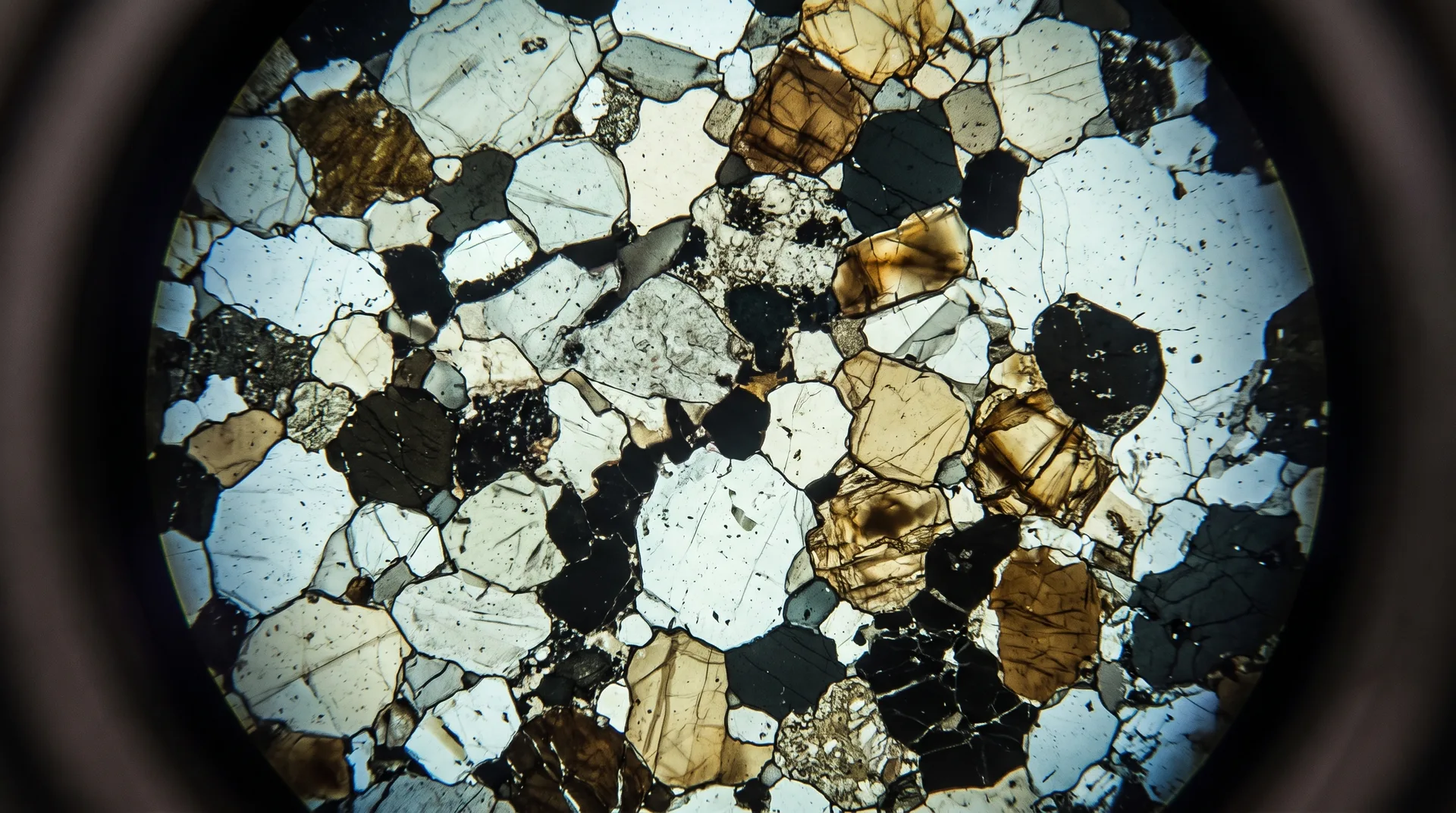 Innovation & TechnologyThe model that decides which mineral you foundCross-listed from Innovation & Technology
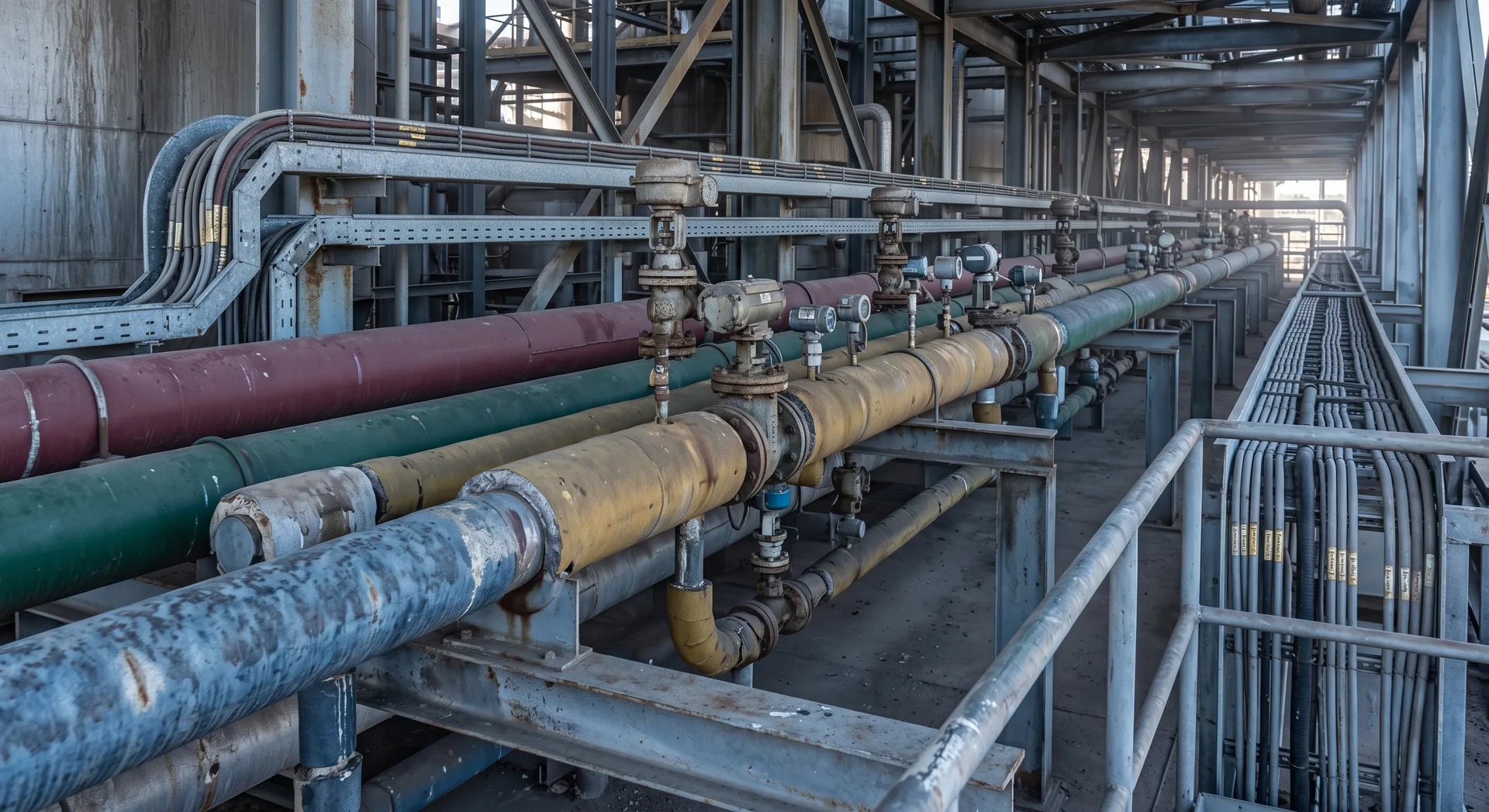 Innovation & TechnologyWhat a four-product plant asks of its controlsCross-listed from Innovation & Technology
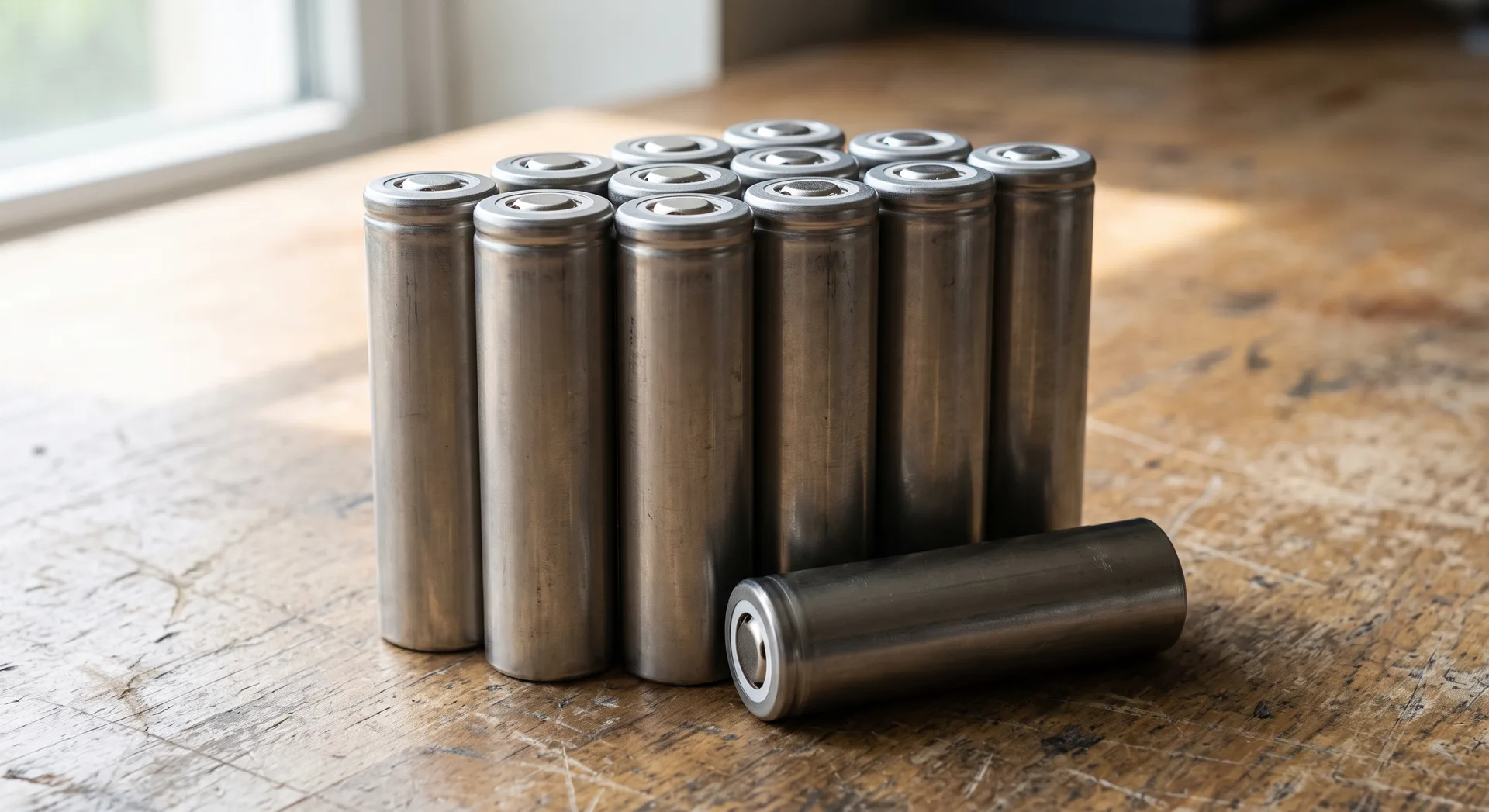 Innovation & TechnologyWhat lithium titanate trades awayCross-listed from Innovation & Technology
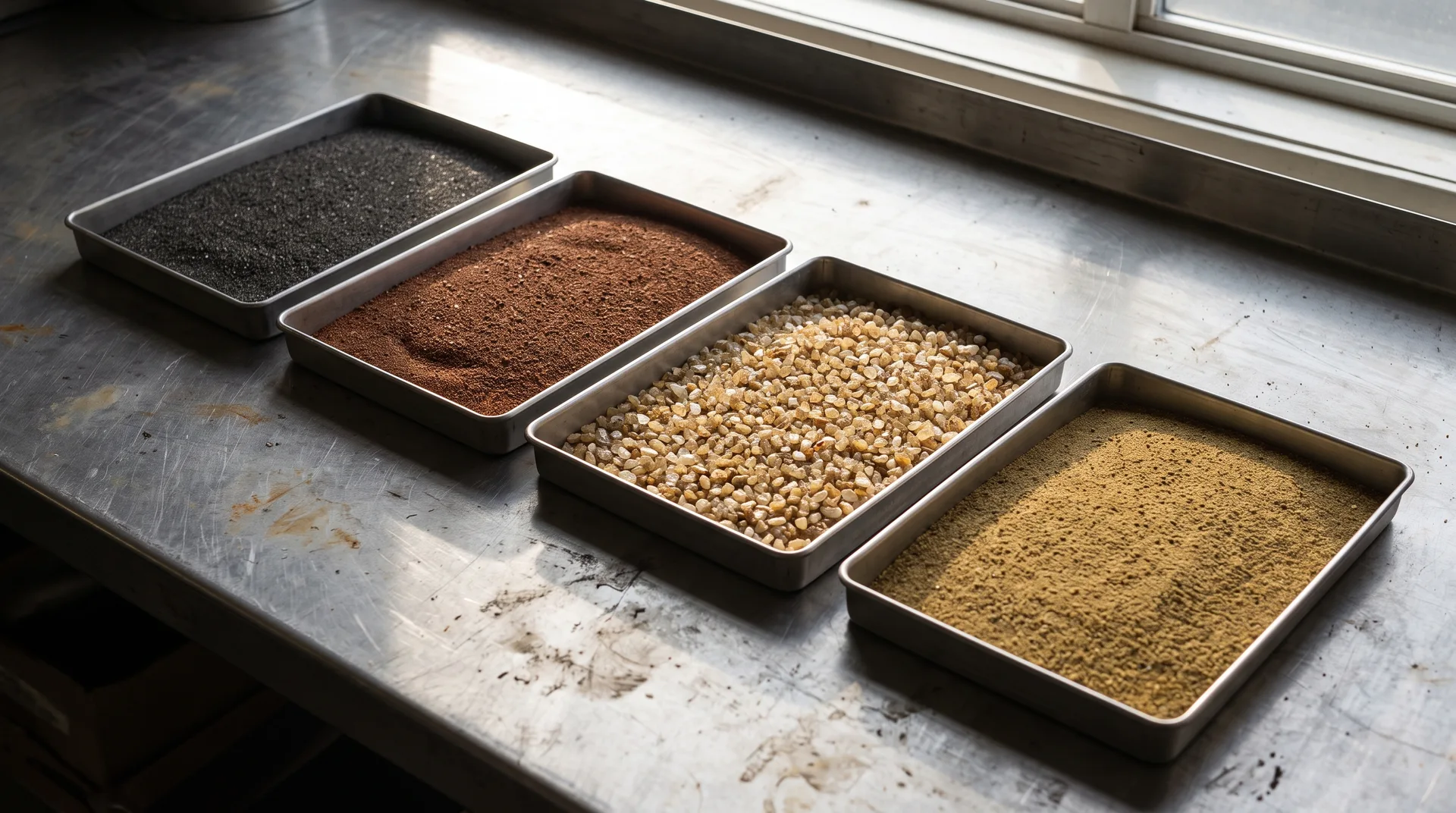 Innovation & TechnologyReconciling a mine that makes four productsCross-listed from Innovation & Technology
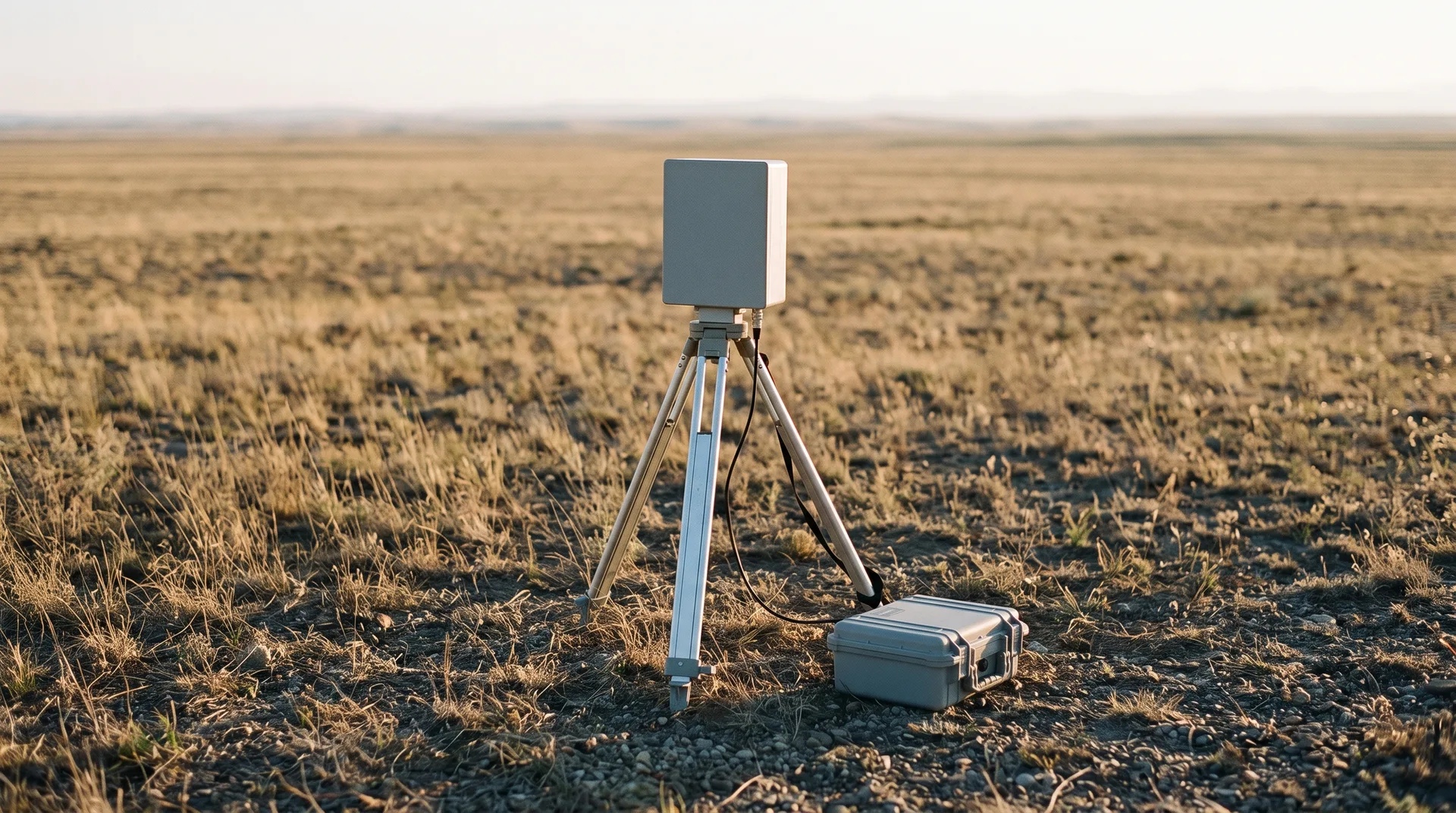 Innovation & TechnologyWhat a thorium channel can and cannot seeCross-listed from Innovation & Technology
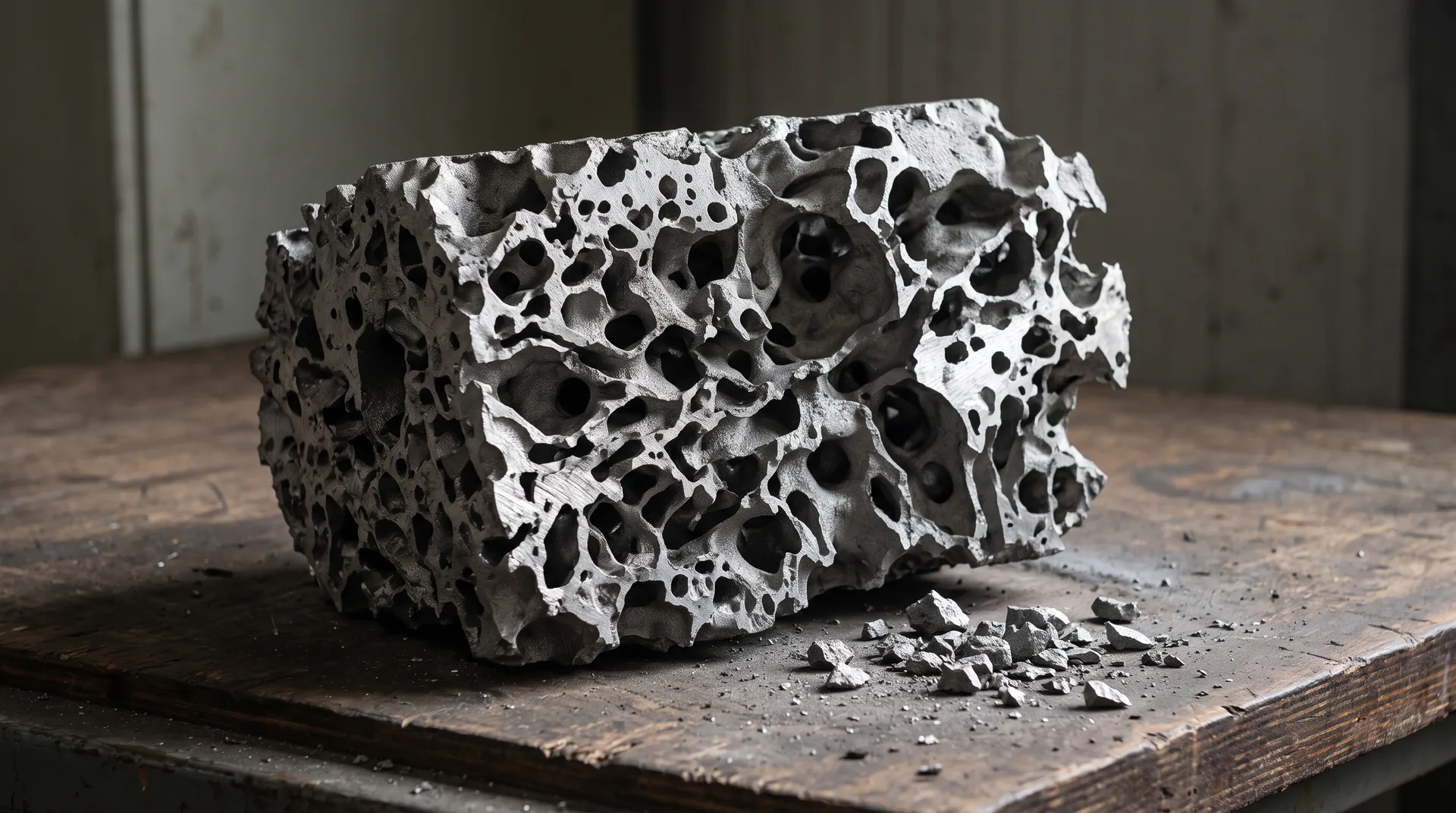 Innovation & TechnologyWhy the Kroll process is still standingCross-listed from Innovation & Technology
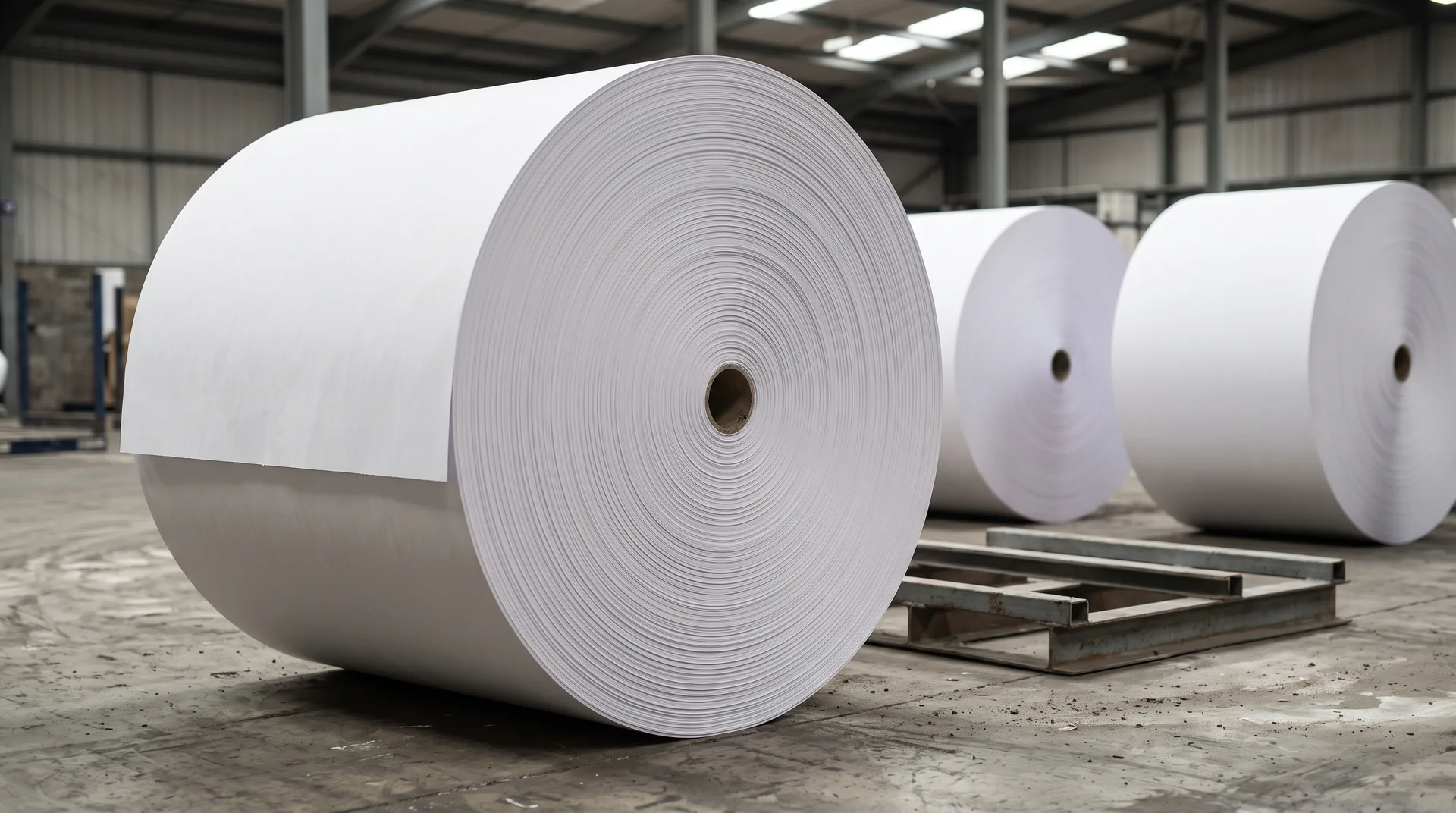 Innovation & TechnologyThe uses you can never recycleCross-listed from Innovation & Technology
 Geography & Supply ChainsA strandline records which way the sea was goingCross-listed from Geography & Supply Chains
 Markets & EconomicsWhat an assessed price is, and what it is notCross-listed from Markets & Economics