 ASX: OSM · Orión Project
Minerals Hub / Applications & Industries / Telecommunications
Applications & Industries · Section 08 of 11
Telecommunications
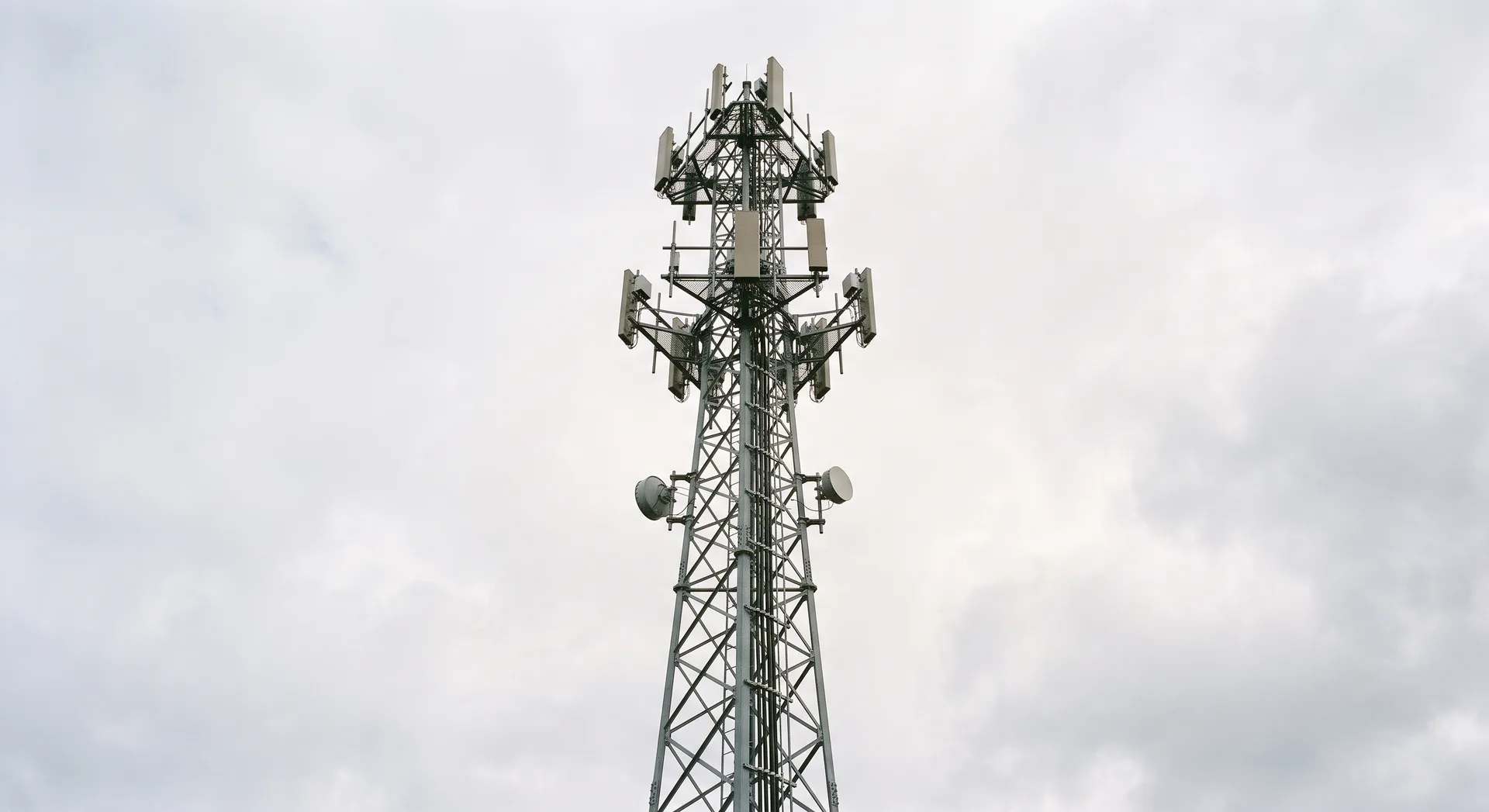
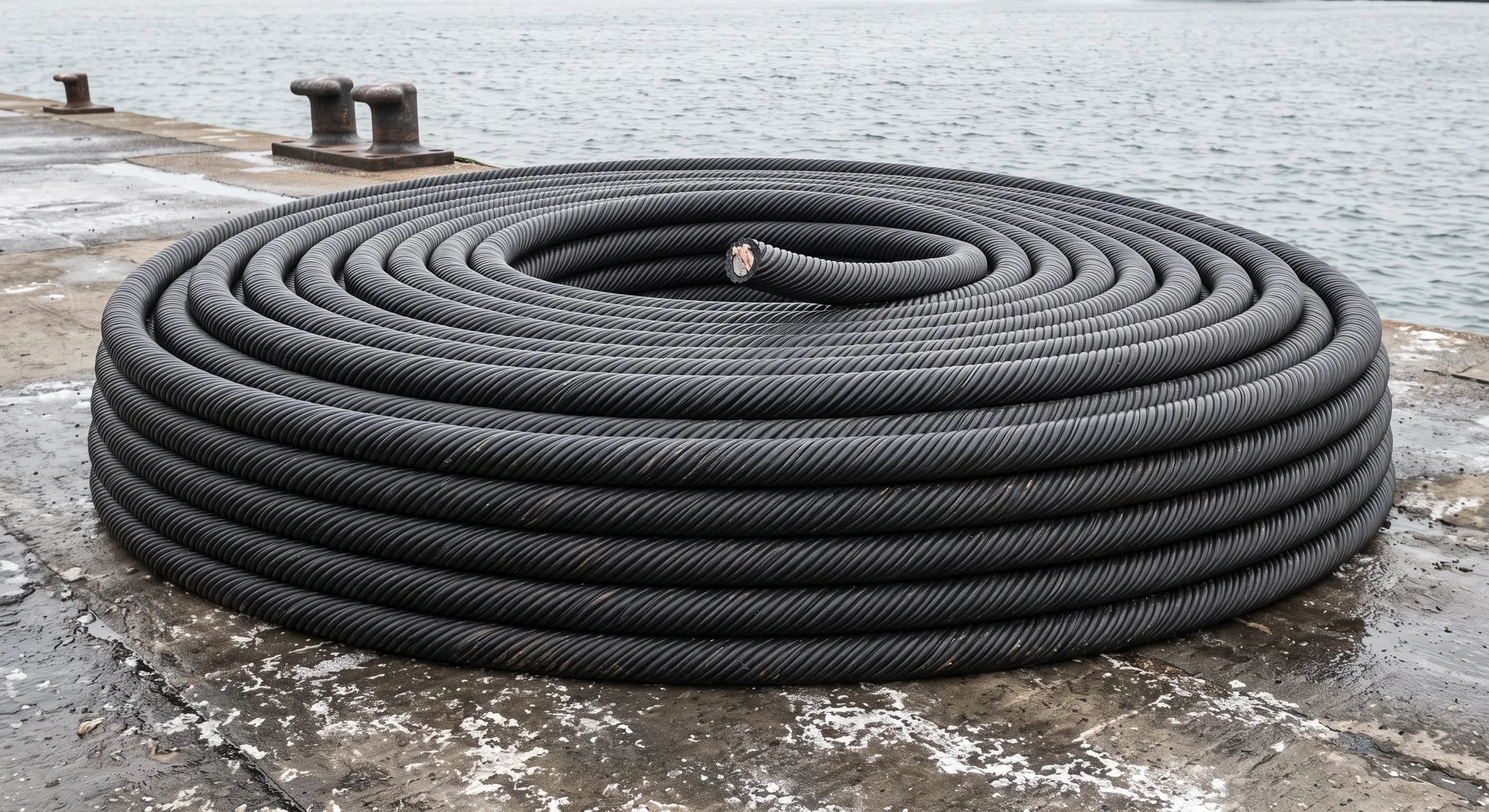
A long-haul optical fibre is mostly silica, and the component that lets a signal survive the journey is a rare earth. That pairing is the reason telecommunications belongs in this pillar. The subject here is the physical network — fibre, amplifiers, base stations, satellites and data-centre interconnects — considered as a market for the minerals this hub follows.
Fibre begins as ultra-pure silica, drawn from a preform whose purity requirements are stricter than almost any other glass application. Erbium, doped into short lengths of that fibre, amplifies light directly without converting it back to an electrical signal, and ytterbium performs a related role in high-power fibre lasers. Both are heavy-rare-earth elements of the kind xenotime carries. Elsewhere in the network, zirconium and titanium compounds form the dielectric ceramics in the filters and resonators that let radio equipment share crowded spectrum, and zirconia ferrules hold fibre connectors in alignment to tolerances measured in fractions of a wavelength.
Network build-out consumes these materials unevenly: fibre deployment, mobile network densification and data-centre construction each make their own demands, and each chain has a point at which a mineral constraint could plausibly appear. Very few suppliers are capable of making preform-grade silica or separated erbium. Some material is consumed in installation and some recovered at equipment refresh, and satellite communications changes the picture again.
Silica/HPQ and Rare Earths are the two resource pages this section leans on most, with Zirconium/Zircon behind the ceramic components. Semiconductors covers the chips in the same equipment, Electronics the consumer end of the network, and Space the orbital segment.