 ASX: OSM · Orión Project
Minerals Hub / OSM Core Resources / Rare Earths

01 Overview02 Properties03 Occurrence04 Exploration05 Mining06 Processing07 Applications08 Global Supply09 Major Projects11 Supply Chain12 Market Context13 Sustainability14 Related Companies15 Related Technologies16 Latest Articles
The rare earths at Orión arrive inside three carrier minerals rather than as a mineral of their own. Monazite is the assayed carrier: bulk channel samples returned monazite 1.56–1.62%, with total rare-earth oxides 1.07–1.18% — mass-balance estimates calculated from oxide assays rather than direct measurements, as at 19 Feb 2026, and grades for those bulk samples, not for the deposit. Xenotime at 0.03–0.04% and allanite at 0.02–0.24% were quantified only in the bulk channel samples and are reported as negligible in the drill holes. Orión has no JORC-compliant Mineral Resource or Reserve: exploration results and mineralogical estimates only, with a maiden MRE and Scoping Study pending, targeted Q3 CY26.
Monazite, Xenotime and Allanite dossiers (bulk channel samples, mass-balance basis, 19 Feb 2026); shared JORC status and MRE/Scoping Study timing.
General mineralogy, flagged as general — these are properties of the minerals, not measurements of Orión material. Monazite is a light-rare-earth phosphate that also contains thorium, which is why a monazite stream is handled differently from an inert heavy mineral. Xenotime is a phosphate of yttrium and the heavy rare earths, dysprosium and terbium among them. Allanite is a rare-earth-bearing silicate. The distinction carries weight because the three carriers do not hold the same elements: an assemblage whose rare earths sit mostly in monazite has a different elemental mix from one where xenotime is significant. Orión's own mass-balance mineral estimates sit in the dossiers.
General mineralogy, flagged as general: monazite as a light-rare-earth phosphate containing thorium, xenotime as a phosphate of yttrium and the heavy rare earths including dysprosium and terbium, allanite as a rare-earth-bearing silicate.
The three carriers occur together in one assemblage rather than in separate zones, which is the reason this family is treated as a family and the per-mineral figures are left to the dossiers. Monazite is the assayed carrier of the three. Xenotime and allanite were quantified only in the bulk channel samples and are reported as negligible in the drill holes, so what is known about them is narrower than what is known about monazite. Garnet and titanite are named in Osmond's published Heavy Minerals definition and have never been assigned a grade in any release, which means the assemblage as published is not quantified end to end.
Osmond's published Heavy Minerals definition, naming garnet and titanite without grades; carrier status and sample-type basis from the Monazite, Xenotime and Allanite dossiers, 19 Feb 2026.
What is known about the rare earths here comes from two sample types that do not carry the same information, and the distinction travels with every figure. The bulk channel samples, as at 19 Feb 2026, are where monazite, xenotime and allanite are quantified, and the mineral percentages drawn from them are mass-balance estimates calculated from oxide assays rather than direct measurements. The drill holes report xenotime and allanite as negligible. Every rare-earth figure on this family is therefore a grade for the samples described and not for the deposit: Orión has no JORC-compliant Mineral Resource or Reserve, and a maiden MRE and Scoping Study are pending, targeted Q3 CY26. The grades themselves sit in the dossiers.
Bulk channel sample and drill-hole reporting, 19 Feb 2026, and the mass-balance basis; shared JORC status and MRE/Scoping Study timing.
As a general matter of the industry, rare earths are mined in three ways that have almost nothing in common, and which one a deposit belongs to decides everything that happens afterwards. Hard-rock carbonatite and alkaline deposits are drilled, blasted, milled and floated to a mineral concentrate. Ion-adsorption clays are not really mined for a mineral at all — the rare earths sit loosely held on clay surfaces and are washed off with a salt solution, in place or on heaps, so there is no concentrate mineral in the ordinary sense. And a third class arrives as a by-product: monazite and xenotime recovered from heavy-mineral sands mined for their titanium minerals, separated out of the assemblage on magnetic and electrostatic behaviour. The distinction is not academic, because the mineral form dictates the chemistry needed to break it open, which is the expensive step. Orión sits in the third class by assemblage and outside all three by ground conditions: its carriers occur in a lithified tidal-sand placer, a heavy-mineral placer since cemented into quartzite, so the sand-mining model that normally delivers monazite does not describe it. The mining consequences of that lithification are a property of the host rock rather than of the rare earths, and the Zirconium and Titanium hubs carry them. What is absent here is absent everywhere in the record: Osmond has stated no mining method, no rate, no schedule and no capital estimate for Orión, and the project has no JORC-compliant Mineral Resource or Reserve, with a maiden MRE and Scoping Study targeted Q3 CY26.
General industry characterisation of the three rare-earth deposit classes and their extraction routes, flagged as general in-sentence; shared deposit-type item (lithified tidal-sand placer) for Orión's host rock; shared JORC status and MRE/Scoping Study timing. No Orión mining-method, rate, schedule or cost material exists in the record — recorded as absent, not inferred. The mining-method consequences of lithification are routed to the hubs that own the host rock rather than restated here.
Preliminary testwork at SGS Lakefield, reported 3 Mar 2026, produced a monazite concentrate grading 19.4% TREO, excluding yttrium, at approximately 76% recovery through a -38 µm flotation and WHIMS stream. The concentrate included 25% MREO — defined in that release as neodymium, praseodymium, dysprosium and terbium, a group figure for the four together and not a grade for any one of them. Osmond characterises the result as roughly a twenty-fold upgrade, on a basis it does not itemise — the concentrate figure excludes yttrium and the head-grade figure is not qualified either way — so the comparison stands as published rather than recalculated. The work is preliminary and describes a testwork stream, not a flowsheet.
SGS Lakefield preliminary testwork, 3 Mar 2026: 19.4% TREO excluding yttrium, approximately 76% recovery, -38 µm flotation/WHIMS, 25% MREO defined as neodymium, praseodymium, dysprosium and terbium; Osmond's twenty-fold upgrade characterisation.
General end use, flagged as general. NdFeB permanent magnets drive electric-vehicle traction motors and wind-turbine generators, and dysprosium and terbium are added to hold coercivity at elevated temperature — which is why those two are specified apart from the neodymium and praseodymium that make up the bulk of the magnet. That specification is what gives the MREO group its meaning: the 3 Mar 2026 release defines it as those four elements together, which are the four a magnet buyer reasons about. Rare earths reach these applications as separated oxides and then as metal and magnet, several steps beyond a mineral concentrate.
General mineralogy for NdFeB magnets and the role of dysprosium and terbium, flagged as general; MREO definition from the 3 Mar 2026 release.
Europe produces almost none of what it consumes: EU import reliance on rare earths is approximately 100%, on the SCRREEN 2016–2020 basis. That figure is a statement about supply rather than about demand, and it is the reason rare earths sit where they do in EU policy. The Critical Raw Materials Act attaches a limit to the same problem — no more than 65% of any strategic raw material from a single third country — which describes the concentration that a reliance of approximately 100% is drawn from. Neither figure names a producing country, and none is named here.
EU import reliance of approximately 100% (SCRREEN, 2016–2020 basis); the single-third-country limit in Regulation 2024/1252.
As a general matter of the industry, a rare-earth project is not decided at the mine. Producing a concentrate is the ordinary part; the step that settles whether a project has a business is separation — cracking the carrier mineral and pulling seventeen chemically similar elements apart into saleable oxides — and that capacity is far scarcer than mining capacity. A project's real question is therefore what it can sell and to whom, and a concentrate is not yet an answer. Monazite projects carry a second question that others do not, because monazite is a thorium-bearing phosphate as general mineralogy, and the disposition of that thorium shapes permitting and where a concentrate may be shipped. Orión is the only project this publication carries, and no other rare-earth project is named or described in the material behind it. As a project it is held under Spanish Investigation Permit 16271, granted, covering 232 km2 across 772 mining units in Jaén Province, Andalucía — current since 12 June 2026, and grown twice, so any earlier count should be read with its date rather than treated as wrong. Osmond's interest is indirect and staged, running through an 80% holding in Iberian Critical Minerals to 75.5% of the entity that holds the permit. On the separation question the record shows one thing and no more: a pre-feasibility study on a mixed rare-earth carbonate, with Técnicas Reunidas, due in Q3 CY26 and not delivered. No separated oxide, no offtake and no tonnage of any kind has been published, and the maiden MRE and Scoping Study are targeted to the same quarter.
General industry characterisation of separation rather than mining as the decisive step in a rare-earth project, and of monazite's thorium as a permitting question, flagged as general in-sentence; ASX:OSM release 3 Jul 2026 and the 12 Jun 2026 restatement for 232 km2 / 772 mining units, dated rather than corrected; ASX:OSM 14 Aug 2026 JORC tenement table for Investigation Permit 16271 granted; ASX:OSM release 19 Feb 2026 for the ownership chain; ASX:OSM release 3 Jul 2026 for the Técnicas Reunidas mixed rare-earth carbonate pre-feasibility study due Q3 CY26; shared JORC status and MRE/Scoping Study timing. No project other than Orión is named because none appears in the material.
"Australian Projects" vs the Spain-only hub decision — open question for OSM.
The chain runs from carrier mineral to separated oxide to metal to magnet, and the dependence that matters sits at whichever of those steps is hardest to replace. What Orión has published sits at the first of them: a mineral concentrate from preliminary testwork, not a separated oxide and not a magnet feedstock. Separation into individual oxides is a later step and a different industry. The 25% MREO reported in that concentrate is a group figure for neodymium, praseodymium, dysprosium and terbium, and it remains a group figure until separation, which is the step at which a magnet maker's specification can be met.
Preliminary testwork concentrate, 3 Mar 2026, and its 25% MREO defined as neodymium, praseodymium, dysprosium and terbium.
Educational context only: no prices and no forecasts. Under the EU Critical Raw Materials Act, Regulation 2024/1252, adopted 11 April 2024 and in force 23 May 2024, Annex I lists strategic raw materials and includes rare earths for magnets. The Act's 2030 benchmarks attach to that list: at least 10% extraction, 40% processing and 25% recycling of annual EU consumption, no more than 65% of any strategic raw material from a single third country, and 27-month permitting for Strategic Projects. Annex II lists the 34 critical raw materials. That machinery is structural rather than commercial, and it is what a European rare-earth project is measured against.
Regulation 2024/1252 (adopted 11 April 2024, in force 23 May 2024): Annex I strategic raw materials, the 2030 extraction, processing and recycling benchmarks, the single-third-country limit, 27-month permitting, Annex II list of 34.
The environmental question that follows rare earths around is radioactivity, and for monazite it is specific rather than general. As general mineralogy, monazite is a phosphate that carries thorium in its structure. The thorium does not leave when the rare earths are extracted — it reports to a residue that has to be stored or disposed of, and that single fact is the main reason monazite lost its place as the world's principal rare-earth feedstock during the second half of the twentieth century, and why monazite concentrate is regulated in transport and storage in a way that most mineral concentrates are not. The second environmental characteristic is chemical rather than nuclear: cracking and separation are reagent-intensive, consuming acid or alkali at the cracking step and running many stages of solvent extraction after it, so a rare-earth operation's footprint is concentrated in its chemistry rather than its pit. Both of those are properties of the industry. Neither has been measured at Orión, and the gap is exact: no thorium or uranium assay has been published for Orión material. The reported assay suite covers titanium, zirconium, hafnium and the individual rare-earth oxides, and does not extend to them, so what the monazite here carries is not established by the record — and the 19.4% TREO (excluding yttrium) monazite concentrate reported on 3 March 2026 is reported without any accompanying radiological characterisation. Osmond describes the ore as carrying "very low levels of deleterious elements" (19 February 2026) without defining which elements it means, which is a product-quality statement rather than an environmental one. No environmental impact assessment, no permitting timeline beyond the exploration stage and no waste, water or energy material has been published; the tenement disclosure notes compatibility with the ZEC ES6160008 conservation area, and that is the whole of it.
General mineralogy for monazite as a thorium-bearing phosphate and general industry characterisation of the thorium residue, of monazite's historical displacement as a feedstock and of the reagent intensity of cracking and separation, all flagged as general in-sentence; ASX:OSM release 3 Mar 2026 for the 19.4% TREO (excluding yttrium) monazite concentrate, cited here only to record that no radiological characterisation accompanies it; ASX:OSM release 19 Feb 2026, verbatim, for the deleterious-elements description and for the absence of thorium and uranium from the reported assay suite; ASX:OSM 14 Aug 2026 JORC tenement table for the ZEC ES6160008 conservation-area compatibility note. The general thorium property is deliberately NOT carried across to Orión material, which would be derivation; the absence of an assay is stated instead.
As a general matter of the industry, the rare-earth chain is worked by three kinds of company that are usually not the same company. Miners produce a carrier-mineral concentrate. Separators crack that concentrate and split it into individual oxides, and this is where the industry narrows sharply — separation capacity is concentrated in far fewer hands than mining capacity, which is the structural fact sitting behind the EU import reliance of approximately 100% recorded under Global Supply. Metal and magnet makers form a third group again, converting oxide to metal, alloy and finished magnet. A project that has proved a concentrate has proved its position in the first group only, and the companies it must eventually deal with sit in the second. None of those companies are named here, because none is named in the material behind this hub. No rare-earth miner, separator, metal producer, magnet maker or peer explorer appears in it, and this section is not filled by inference from the structure above. The only company in the record is Osmond Resources itself — ASX: OSM, also quoted in Frankfurt as 4OG — an exploration-stage company with no Mineral Resource, no production and no separated product. Two third parties appear, and both are service providers rather than commercial counterparties: SGS Lakefield, which ran the preliminary testwork reported 3 March 2026, and Técnicas Reunidas, engaged on the mixed rare-earth carbonate pre-feasibility study. No offtake agreement, customer or joint-venture partner for Orión rare earths has been announced.
General industry characterisation of the miner, separator and magnet-maker segments and of separation being the concentrated one, flagged as general in-sentence, with the EU reliance figure taken from Global Supply rather than restated; ASX:OSM release 3 Mar 2026 for SGS Lakefield and the preliminary testwork; ASX:OSM release 3 Jul 2026 for the Técnicas Reunidas mixed rare-earth carbonate pre-feasibility study; ASX:OSM 14 Aug 2026 for the Frankfurt quotation (4OG). No producer, separator or peer is named because none appears in the material, and no Orión rare-earth offtake, customer or partner has been announced — recorded as absent.
Processing on this hub carries the physical concentration — flotation and WHIMS — and Applications carries the magnet. Between them sits the chemistry, and it is where the rare-earth industry's difficulty actually lives. As a general matter of the industry the sequence has three stages. Cracking opens the carrier mineral: a monazite concentrate is broken down either by acid bake, roasting with sulfuric acid, or by caustic attack that converts the phosphate and leaves a hydroxide, and the choice determines what happens to the phosphate and to the thorium. Separation then divides the dissolved rare earths from one another by solvent extraction, and because neighbouring lanthanides are so alike chemically, each pair is split only slightly at each contact — so a full separation train runs many hundreds of successive stages, which is why separation plants are large, slow to commission and rare. The third stage makes metal, by molten-salt electrolysis or metallothermic reduction, then alloy and magnet. The mixed rare-earth carbonate that Major Projects records as Orión's stated downstream step is the standard intermediate between the first stage and the second: a bulk product that has been cracked but not separated. None of this chemistry has been demonstrated on Orión material. The published testwork reaches a monazite concentrate and stops there; no cracking route, no separation route and no metal route has been established or tested, and no separated oxide has been produced.
General industry characterisation of acid-bake and caustic cracking, of multi-stage solvent-extraction separation and of the metal-making step, flagged as general in-sentence, and of the mixed rare-earth carbonate as the standard cracked-but-unseparated intermediate; ASX:OSM release 3 Mar 2026 for the published testwork reaching a monazite concentrate; the Orión mixed rare-earth carbonate study itself is recorded under Major Projects and is not restated as a result here. No cracking, separation or metal route for Orión material appears in the record — recorded as absent, not inferred from statements of forward direction.
 Mining & ProductionOrión Project OverviewCross-listed from Mining & Production
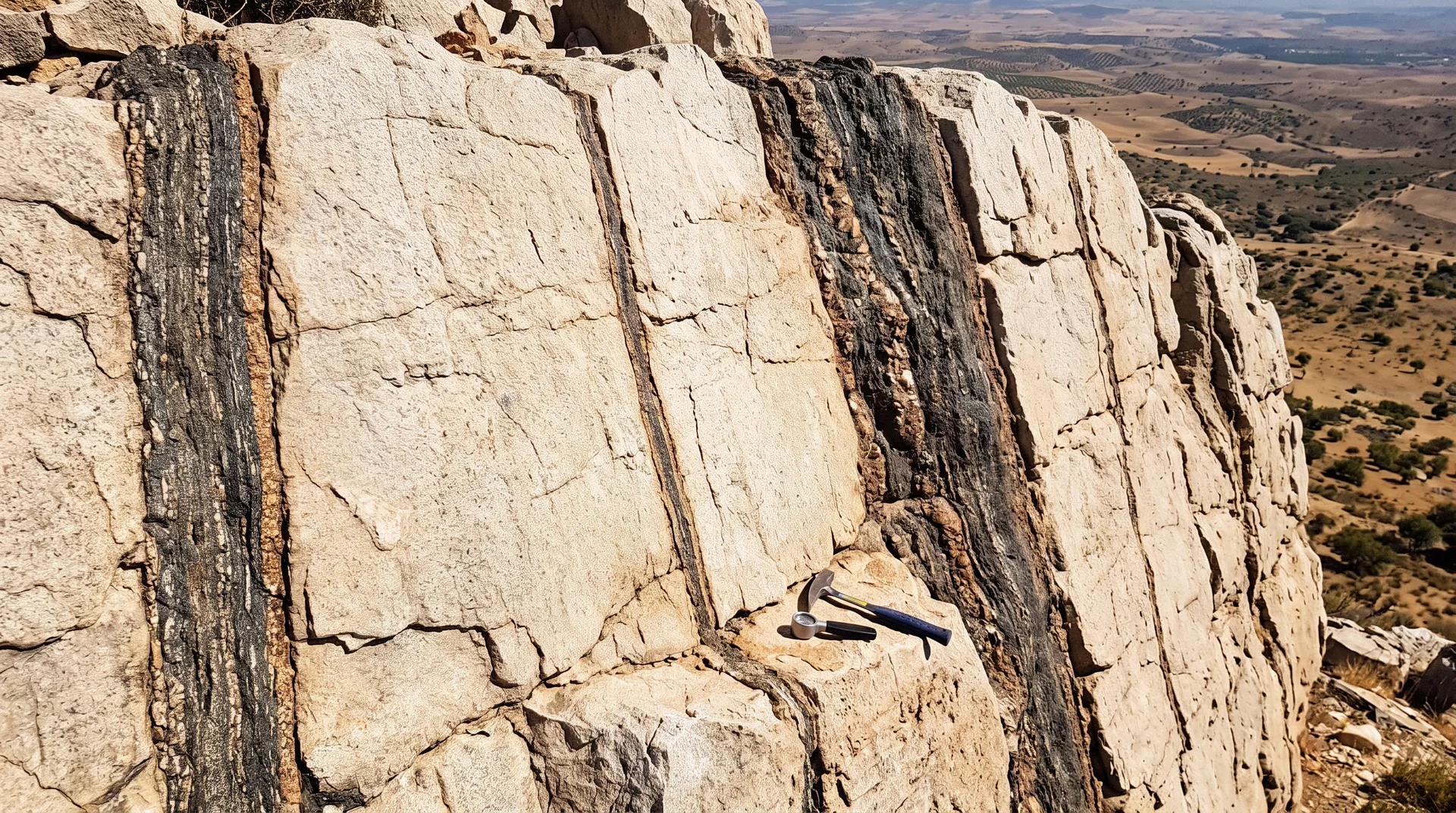 Mining & ProductionReading the Orión seams: what the heavy-mineral layers tell usCross-listed from Mining & Production
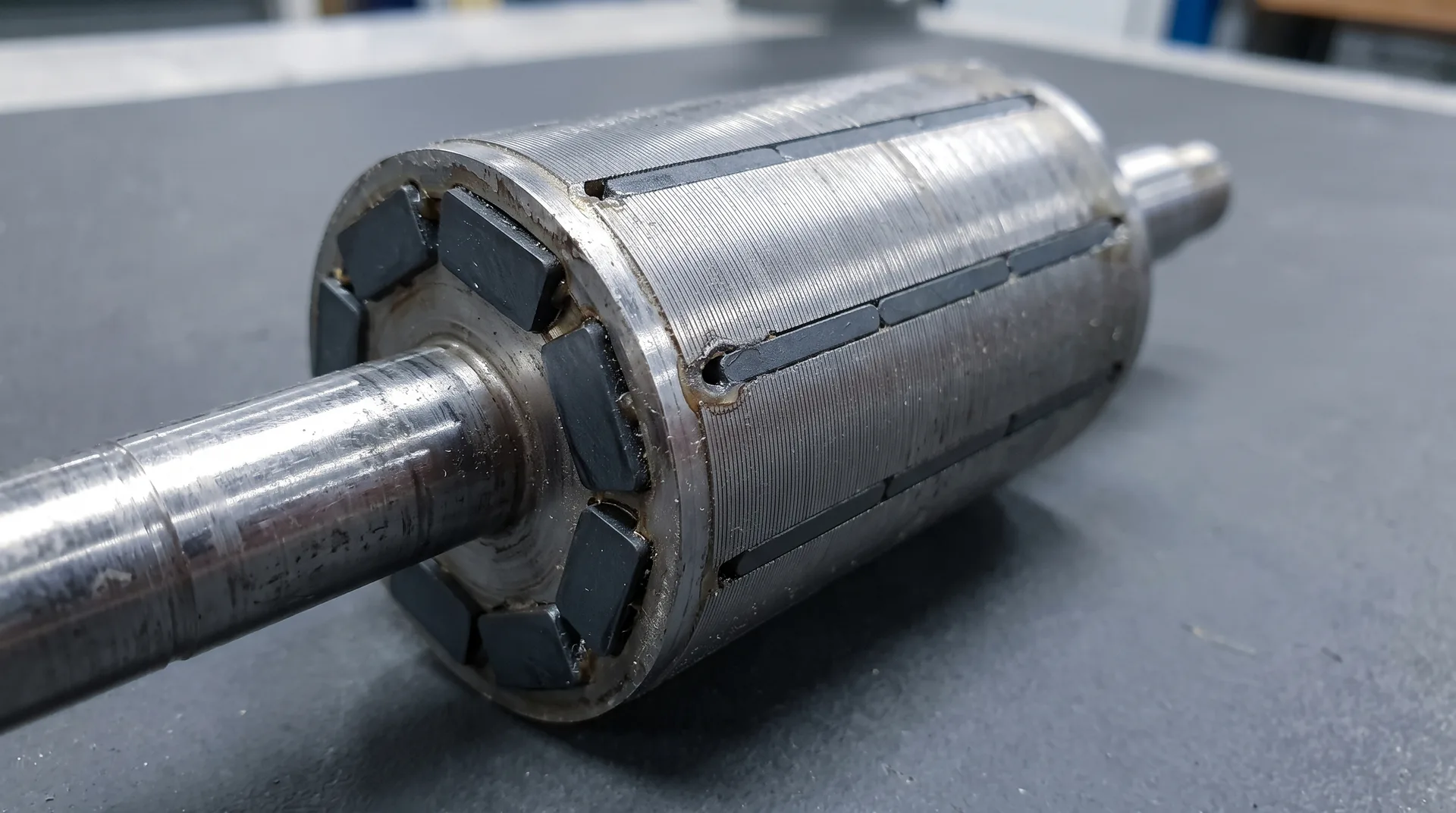 Geography & Supply ChainsThe rare-earth gap Europe can't recycle its way out ofCross-listed from Geography & Supply Chains
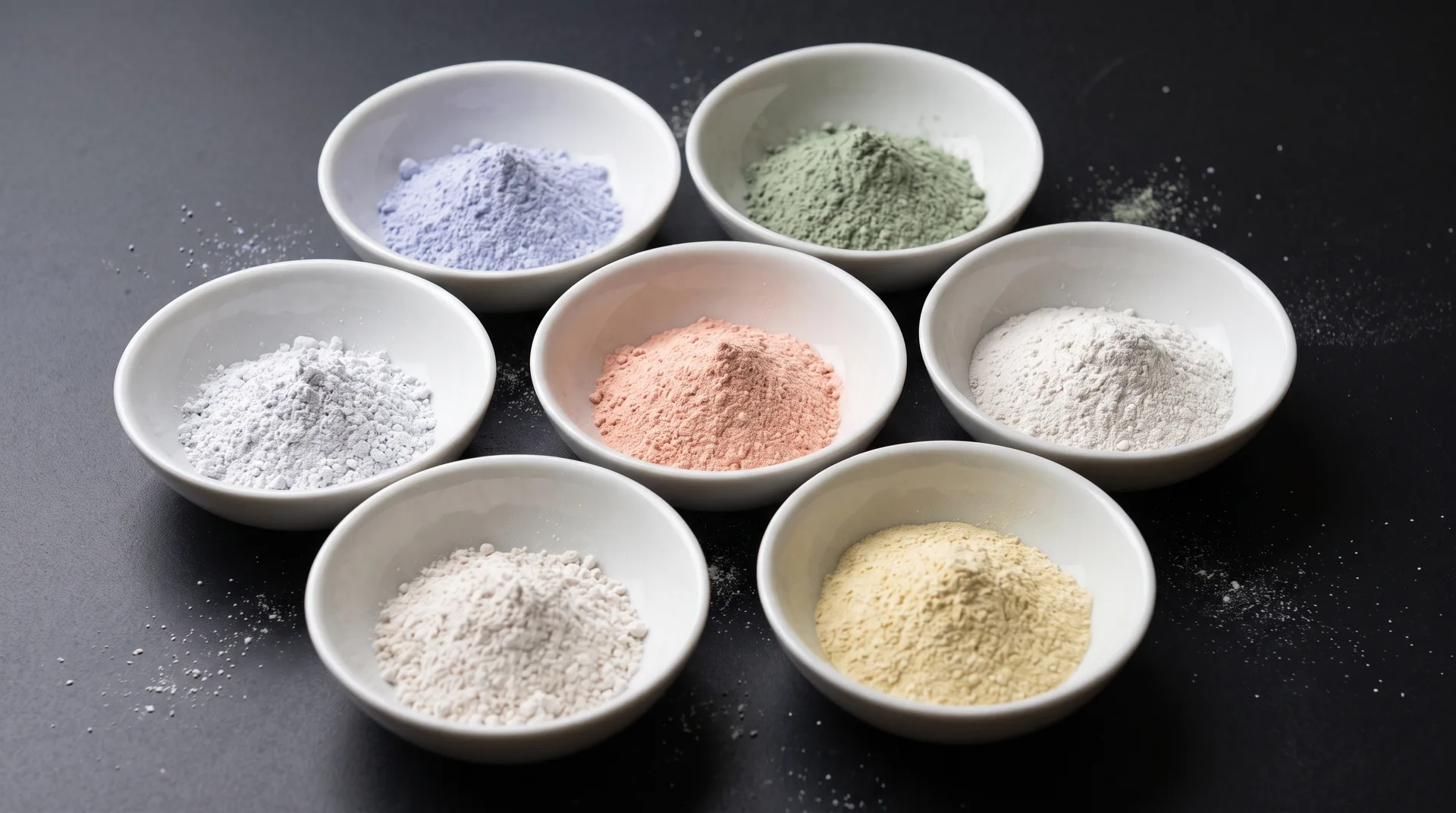 Applications & IndustriesMonazite to magnets: the rare-earth supply chainCross-listed from Applications & Industries
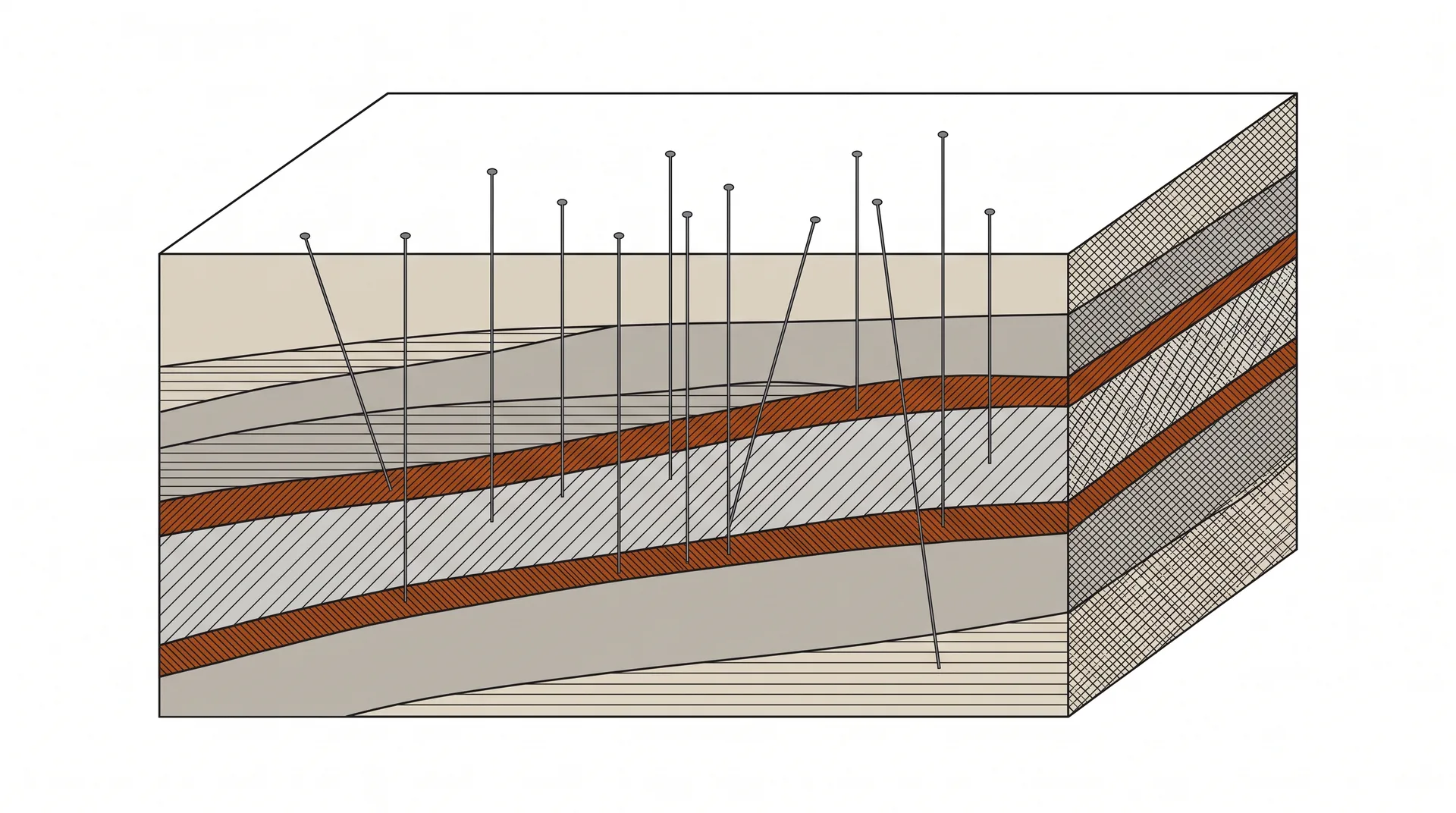 Markets & EconomicsThe road to a maiden resource: what has to happen, and whenCross-listed from Markets & Economics
 Markets & EconomicsHow to read an early-stage mineral-sands explorerCross-listed from Markets & Economics
 Markets & EconomicsWhy co-products change mineral-sands economicsCross-listed from Markets & Economics
 Mining & ProductionWhat a lithified placer actually isCross-listed from Mining & Production
 Mining & ProductionThe monazite upgrade: what the preliminary testwork foundCross-listed from Mining & Production
 Mining & ProductionThe accessory suite: xenotime, allanite and the trace rare earthsCross-listed from Mining & Production
 Innovation & TechnologyHow thorium gives a monazite deposit away from the airCross-listed from Innovation & Technology
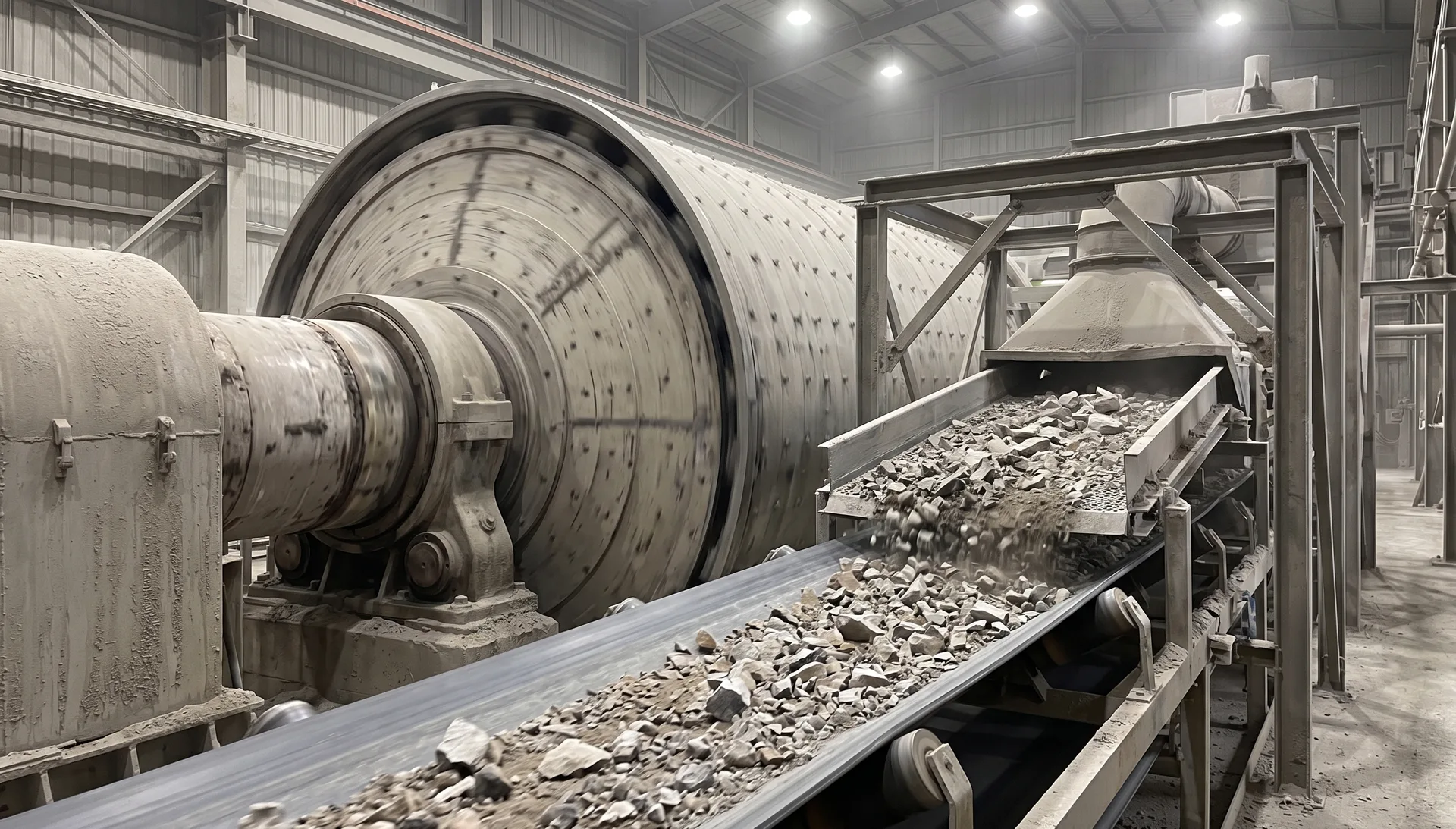 Mining & ProductionBreaking rock without breaking the grainsCross-listed from Mining & Production
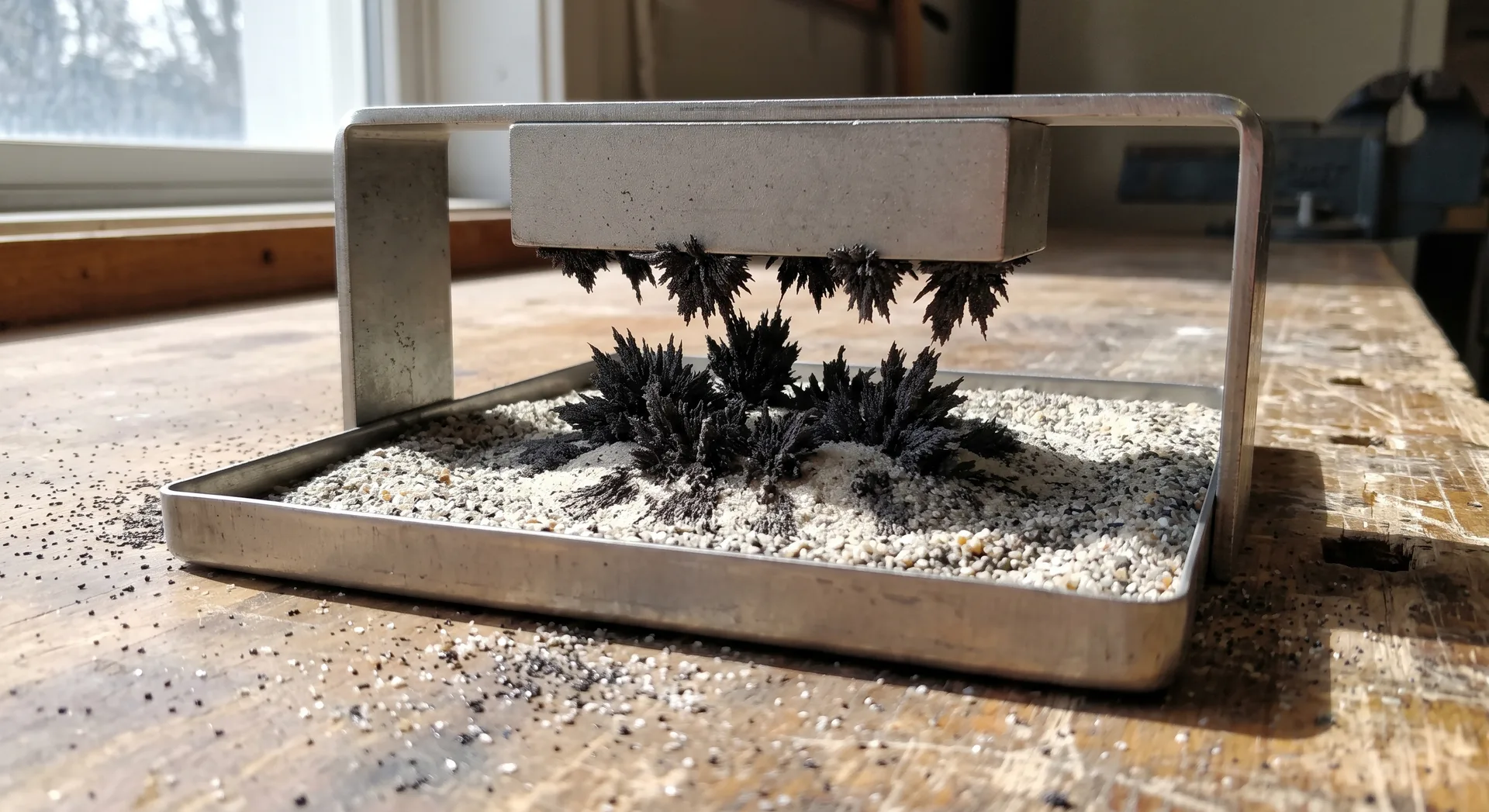 Mining & ProductionHow two properties sort four mineralsCross-listed from Mining & Production
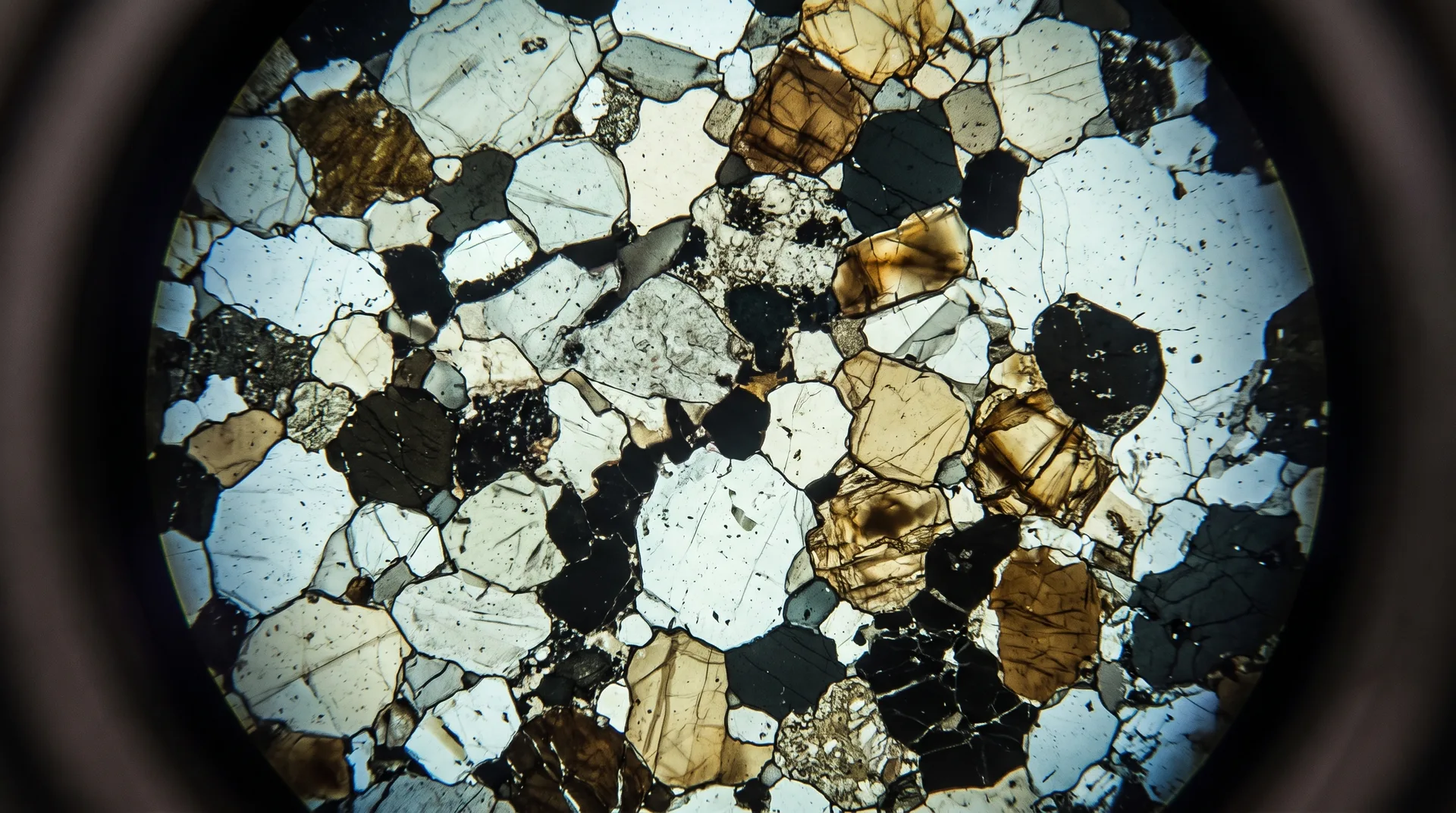 Innovation & TechnologyThe model that decides which mineral you foundCross-listed from Innovation & Technology
 Innovation & TechnologyWhat a four-product plant asks of its controlsCross-listed from Innovation & Technology
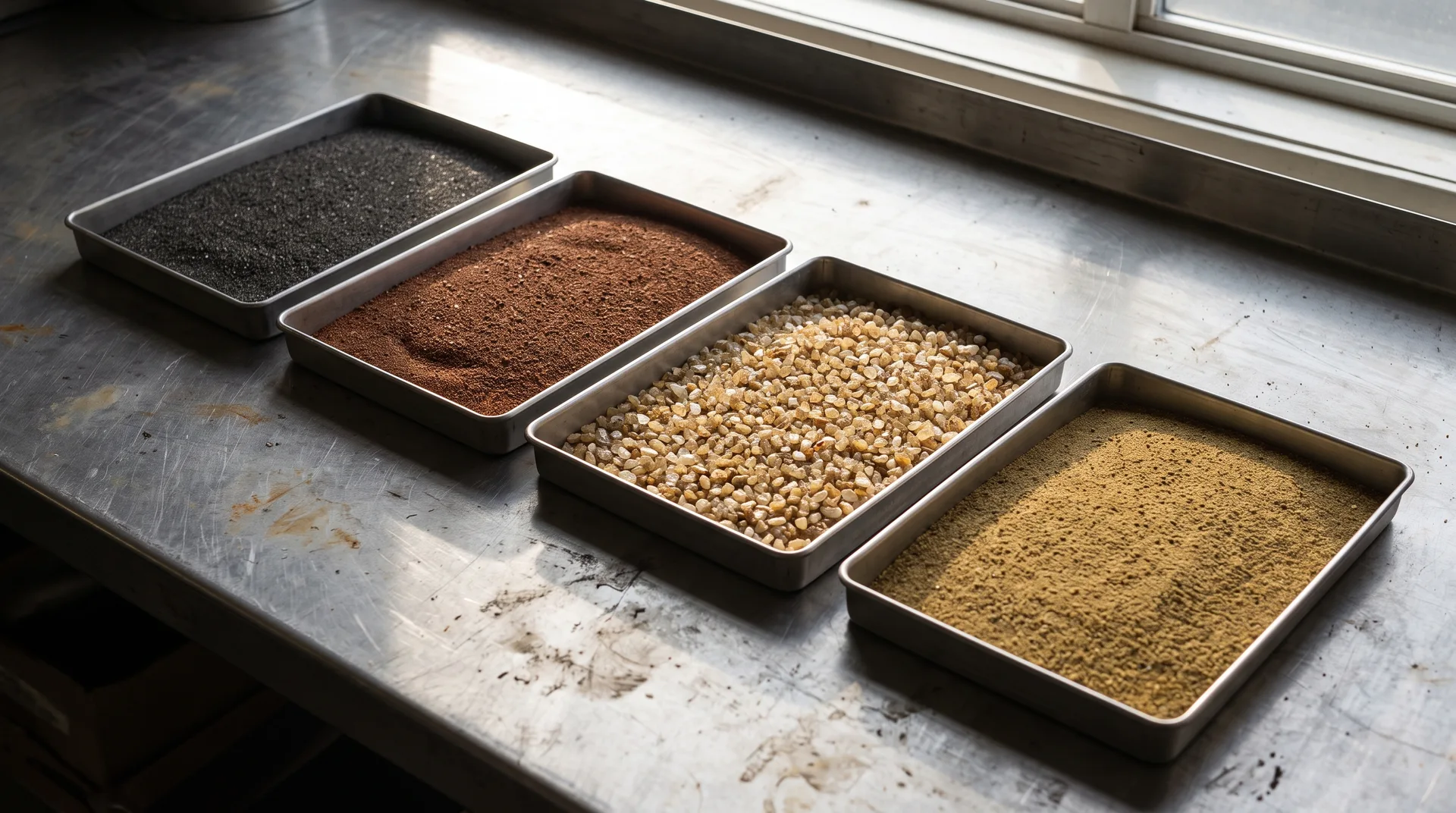 Innovation & TechnologyReconciling a mine that makes four productsCross-listed from Innovation & Technology
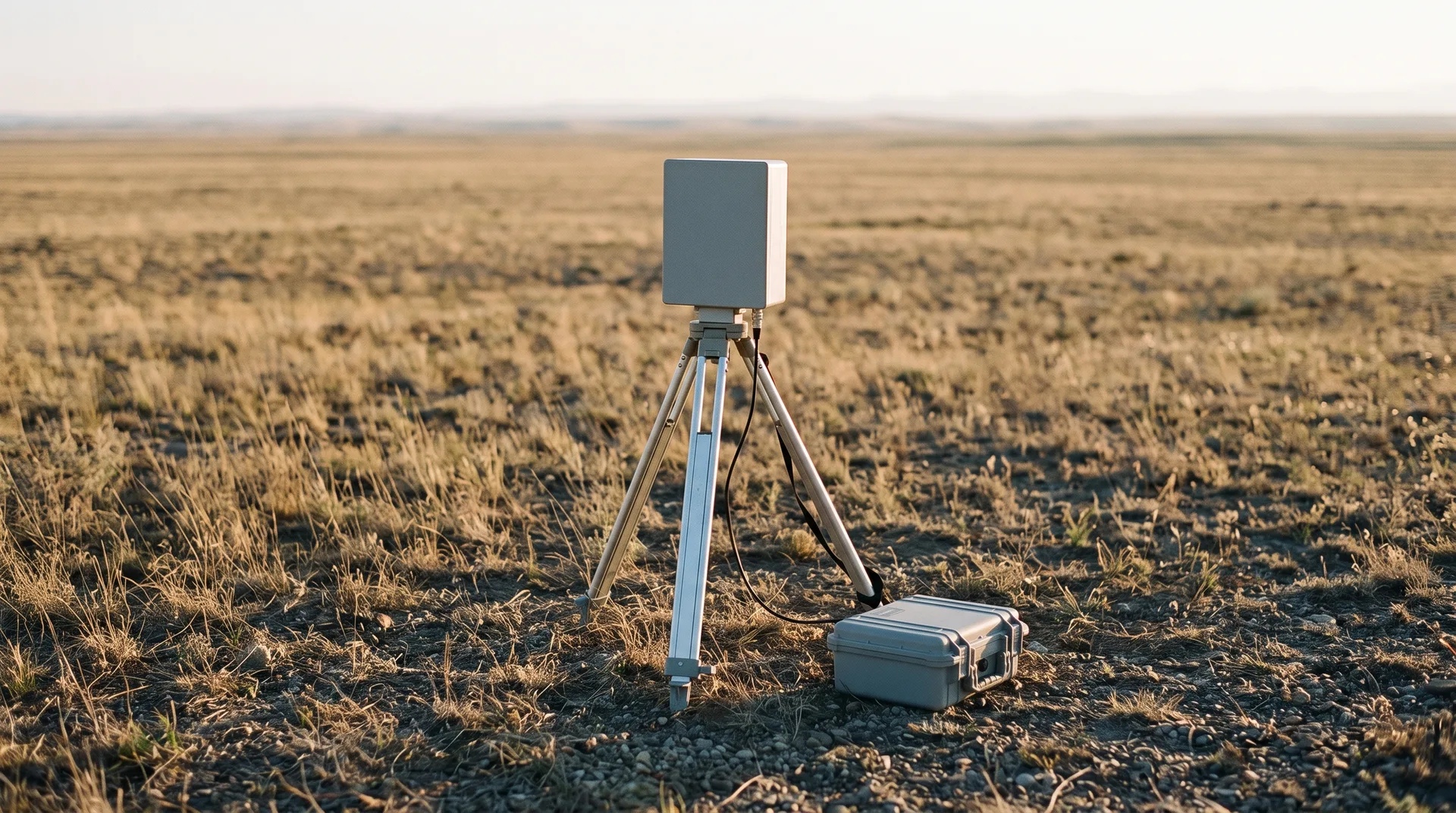 Innovation & TechnologyWhat a thorium channel can and cannot seeCross-listed from Innovation & Technology
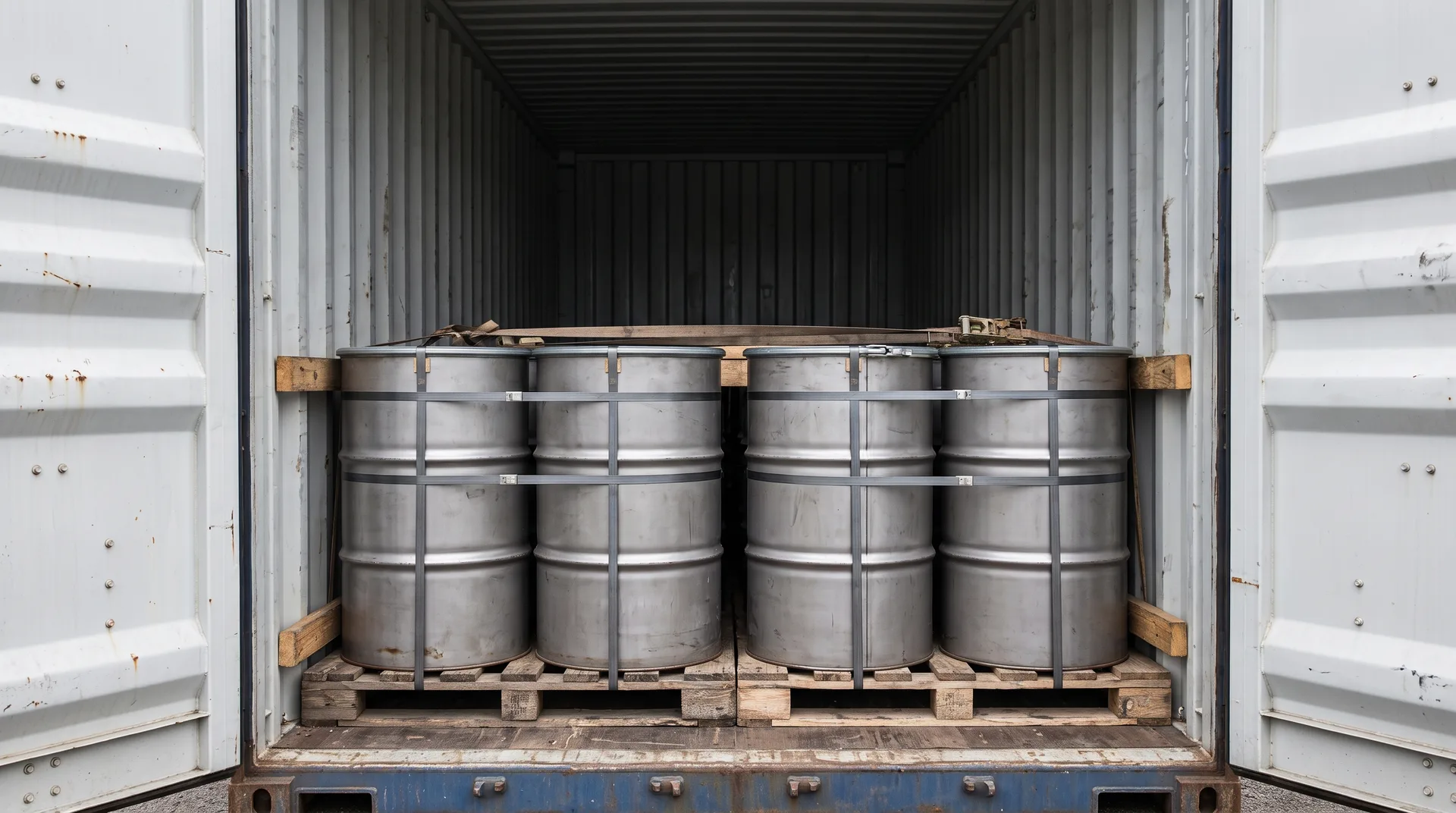 Geography & Supply ChainsWhy monazite ships under the radioactive-materials rulesCross-listed from Geography & Supply Chains
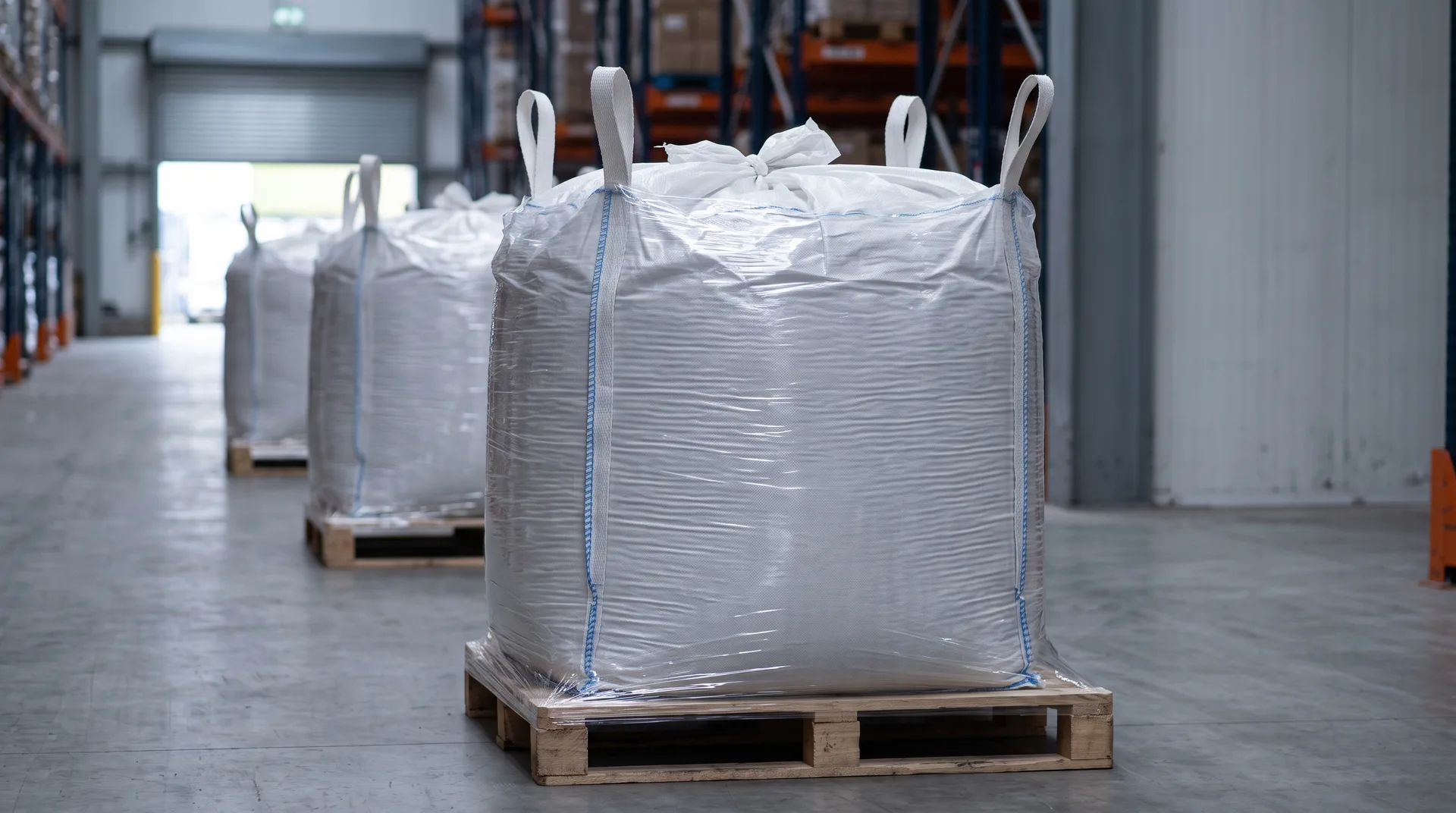 Markets & EconomicsThe customs code decides what your mineral isCross-listed from Markets & Economics
 SustainabilityWhen a mineral concentrate becomes a regulated materialCross-listed from Sustainability
 Applications & IndustriesWhat removing a gearbox costs in rare earthsCross-listed from Applications & Industries
 Applications & IndustriesThe temperature a robot joint magnet must surviveCross-listed from Applications & Industries