 ASX: OSM · Orión Project
Minerals Hub / Applications & Industries / Construction
Applications & Industries · Section 09 of 11
Construction
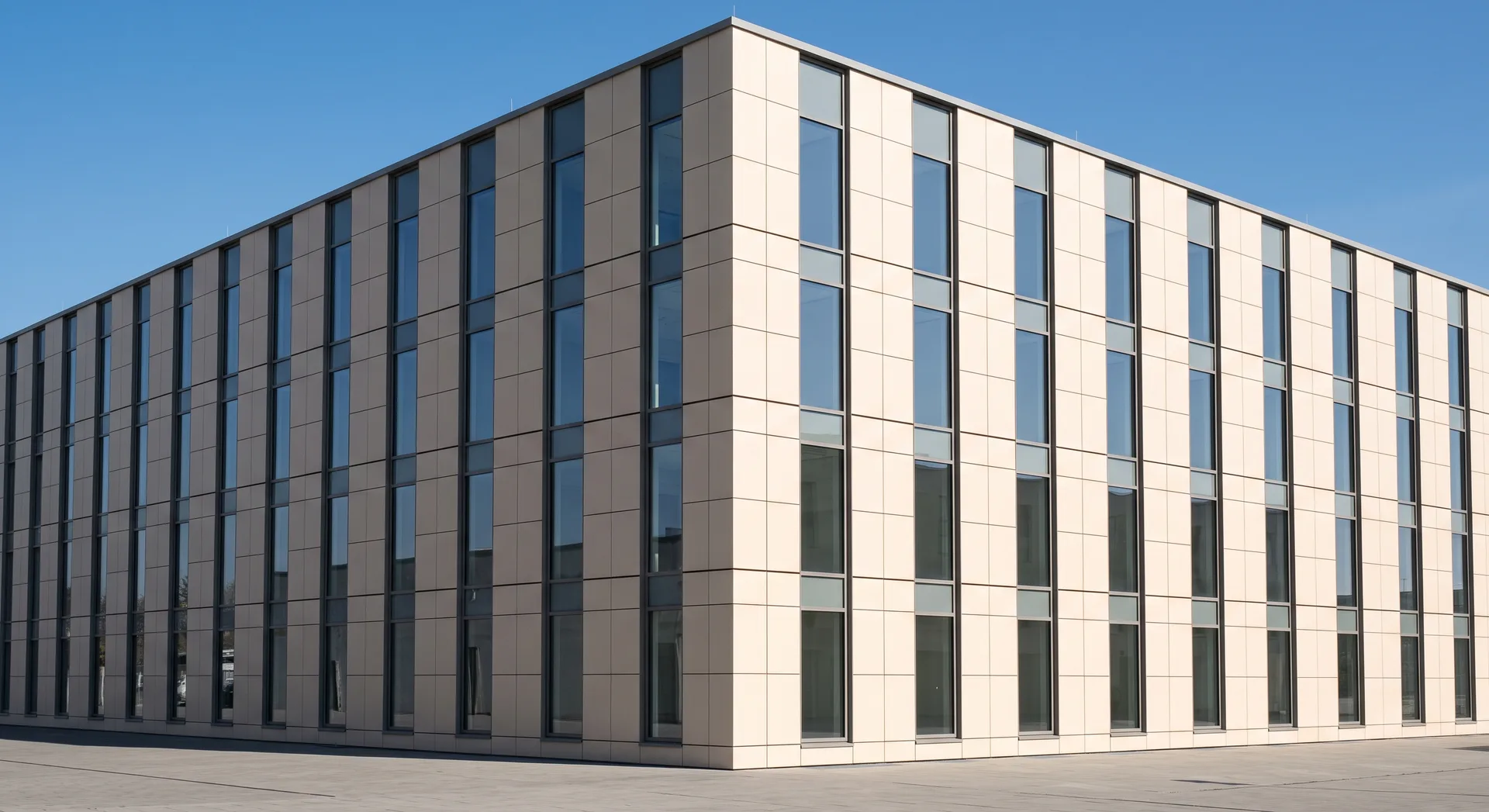
The least glamorous end use is frequently the largest. Construction and the building-products industries behind it absorb more titanium and zircon than any of the advanced technologies that attract more attention, and they do it through materials most people never think of as mineral products at all. The built environment is where much of the Orión assemblage would ultimately come to rest, and that is the subject of this page.
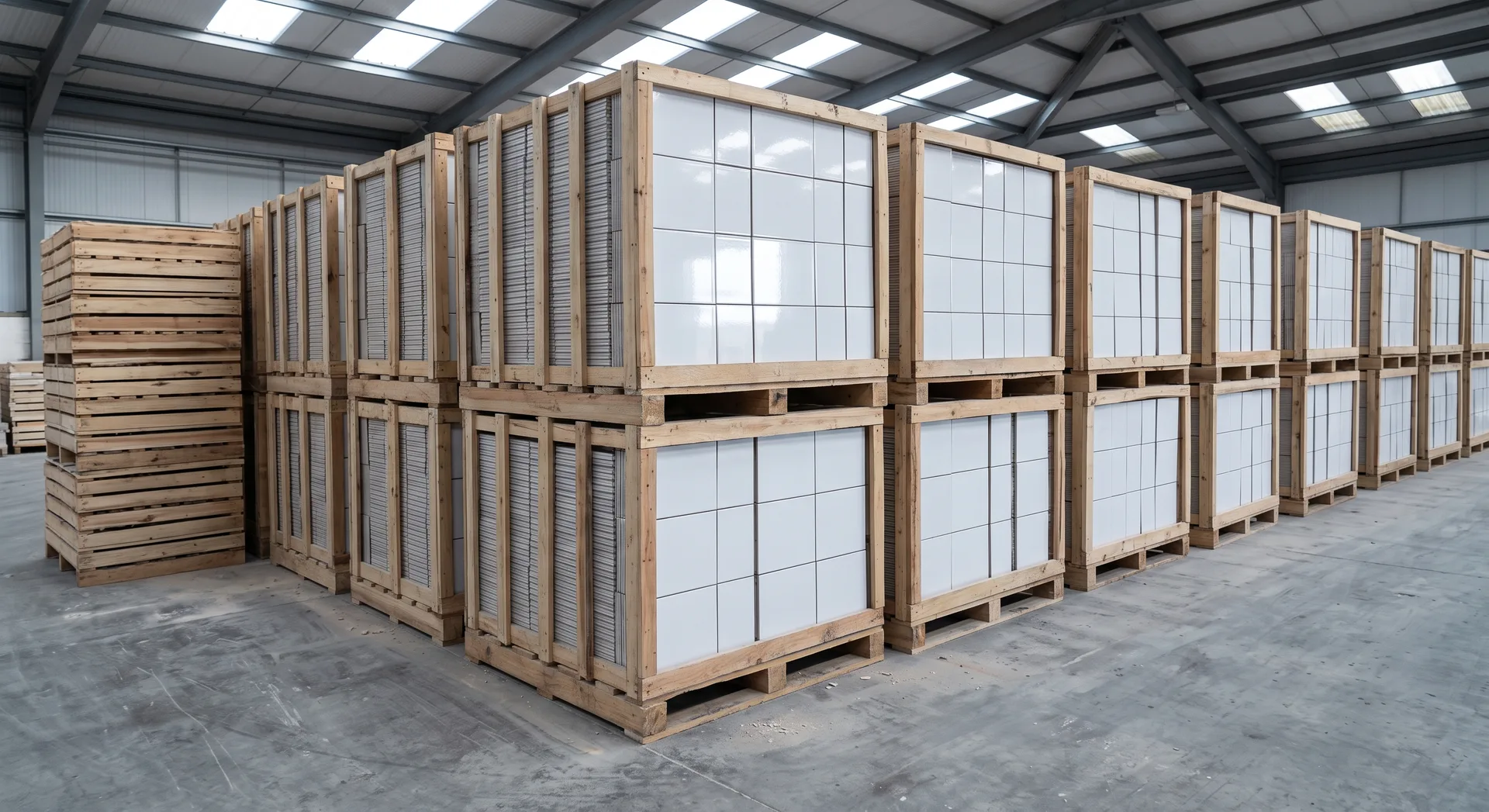
Titanium dioxide pigment is the reason paint, coatings and plastics are opaque and white, and architectural and industrial coatings are among its biggest outlets — which makes rutile's largest market a construction market. Zircon is milled into the opacifier that gives ceramic tiles and sanitaryware their whiteness and surface durability, and zirconia-bearing refractories line the furnaces in which flat glass is made. Silica sits behind glass and engineered stone. Garnet, an accessory mineral in this assemblage, is used as a blasting abrasive for the surface preparation that precedes protective coating on steel structures. Titanium metal appears far more rarely, in cladding and marine-exposed fixings where a long service life justifies the cost.
These are volume applications and they behave like it: building cycles transmit into mineral demand with a lag, pigment and opacifier grades carry different feedstock requirements from metal-grade material, and durability and maintenance intervals in buildings shape repeat demand as much as new construction does. Substitution pressure is constant in pigment and tile formulation, where a small change in a recipe is multiplied across very large tonnages.
Titanium/Rutile, Zirconium/Zircon and Silica/HPQ are the resource pages behind this subject. Two proposed sections go deeper into the specific industries named above — Pigments & Coatings and Ceramics & Refractories — and are marked on the site as Osmond Resources proposals rather than part of the client's original structure.