 ASX: OSM · Orión Project
Minerals Hub / Applications & Industries / Space
Applications & Industries · Section 11 of 11
Space
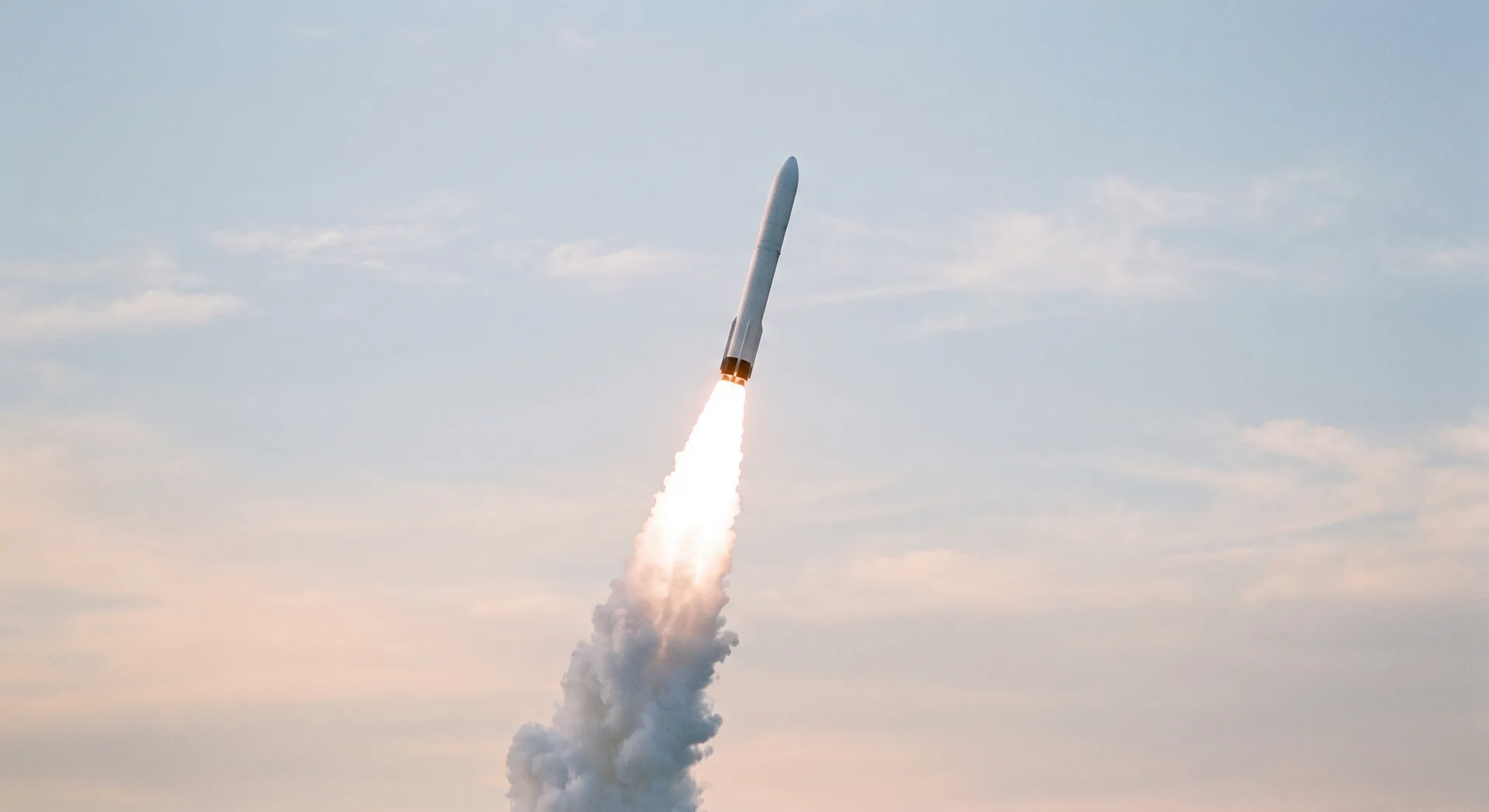
Above the atmosphere the failure modes change. There is no maintenance, thermal cycling is severe, radiation degrades materials that would last indefinitely on the ground, and every kilogram carried has been paid for several times over. The subject of this page is what flies — launch vehicles, satellites and the equipment supporting them — considered as a buyer of what a deposit like Orión would produce.
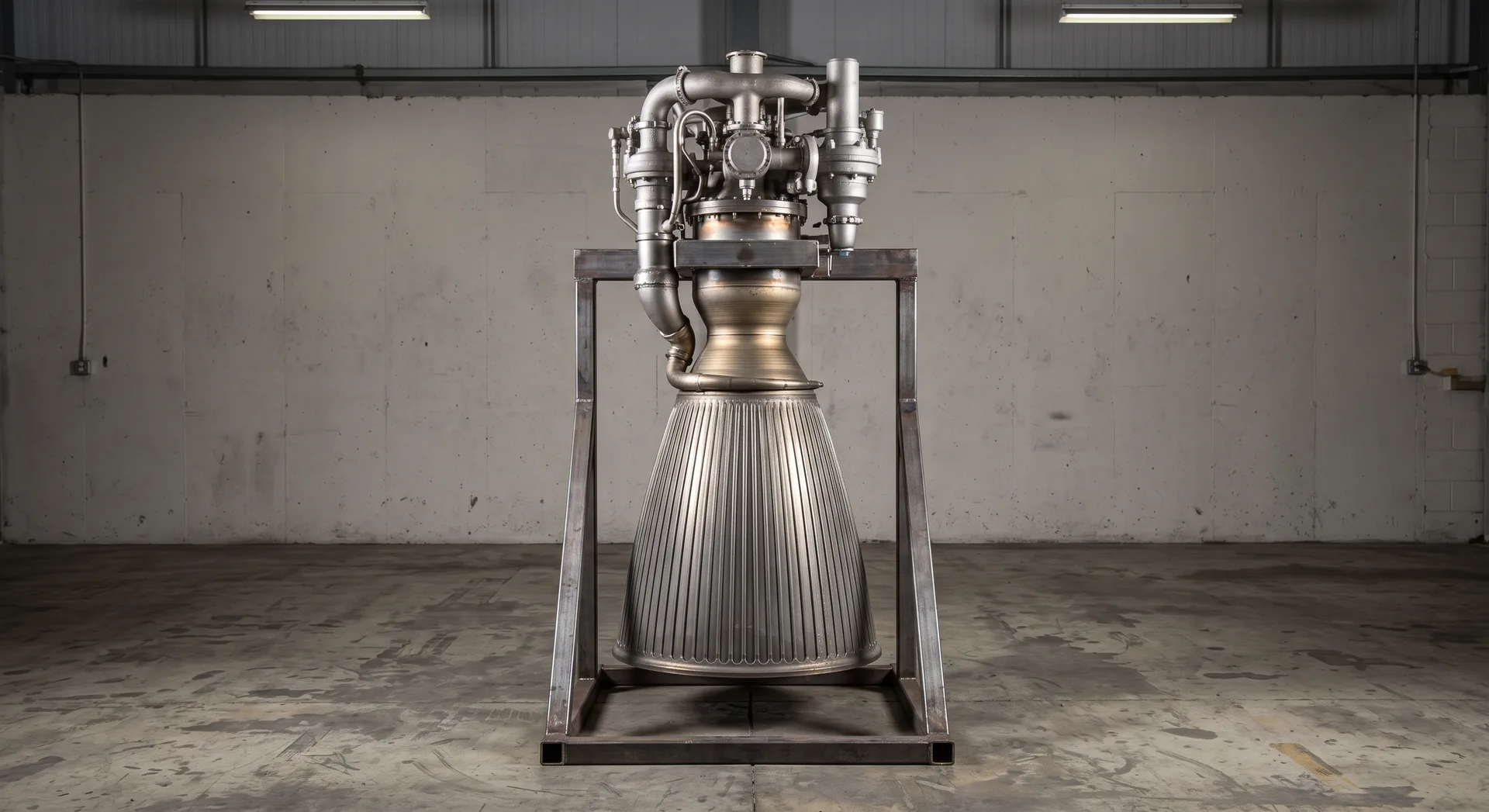
Titanium does the structural work — pressure vessels, tankage, brackets and interfaces where mass and strength are traded against one another most aggressively. Hafnium performs a narrower but harder-to-replace job: alloyed with niobium, it makes the thrust chamber and nozzle components that operate at temperatures few materials tolerate, and it strengthens the superalloys in turbopumps. Rare-earth magnets appear in reaction wheels and control moment gyroscopes that point a spacecraft, in the travelling-wave tube amplifiers behind satellite communications, and in the actuators that deploy arrays and antennas. Zirconia provides thermal-barrier and insulating coatings, and high-purity silica goes into optics, solar-cell cover glass and radiation-resistant windows.
Space is a small-volume, high-specification market whose influence exceeds its tonnage, because the qualification standards it sets tend to migrate into other industries. Heritage material choices persist through decades of programme life, launch-cadence growth and satellite constellations change component demand, export-control regimes govern the movement of both hardware and the materials inside it, and in-orbit servicing would alter the lifetimes those materials are specified against.
Hafnium, Titanium/Rutile and Rare Earths hold the underlying material. Aerospace covers the atmospheric half of the same engineering problem, Defence the procurement rules that apply to much of this hardware, and Telecommunications the satellite links themselves.