 ASX: OSM · Orión Project
Minerals Hub / Applications & Industries / Renewable Energy
Applications & Industries · Section 04 of 11
Renewable Energy
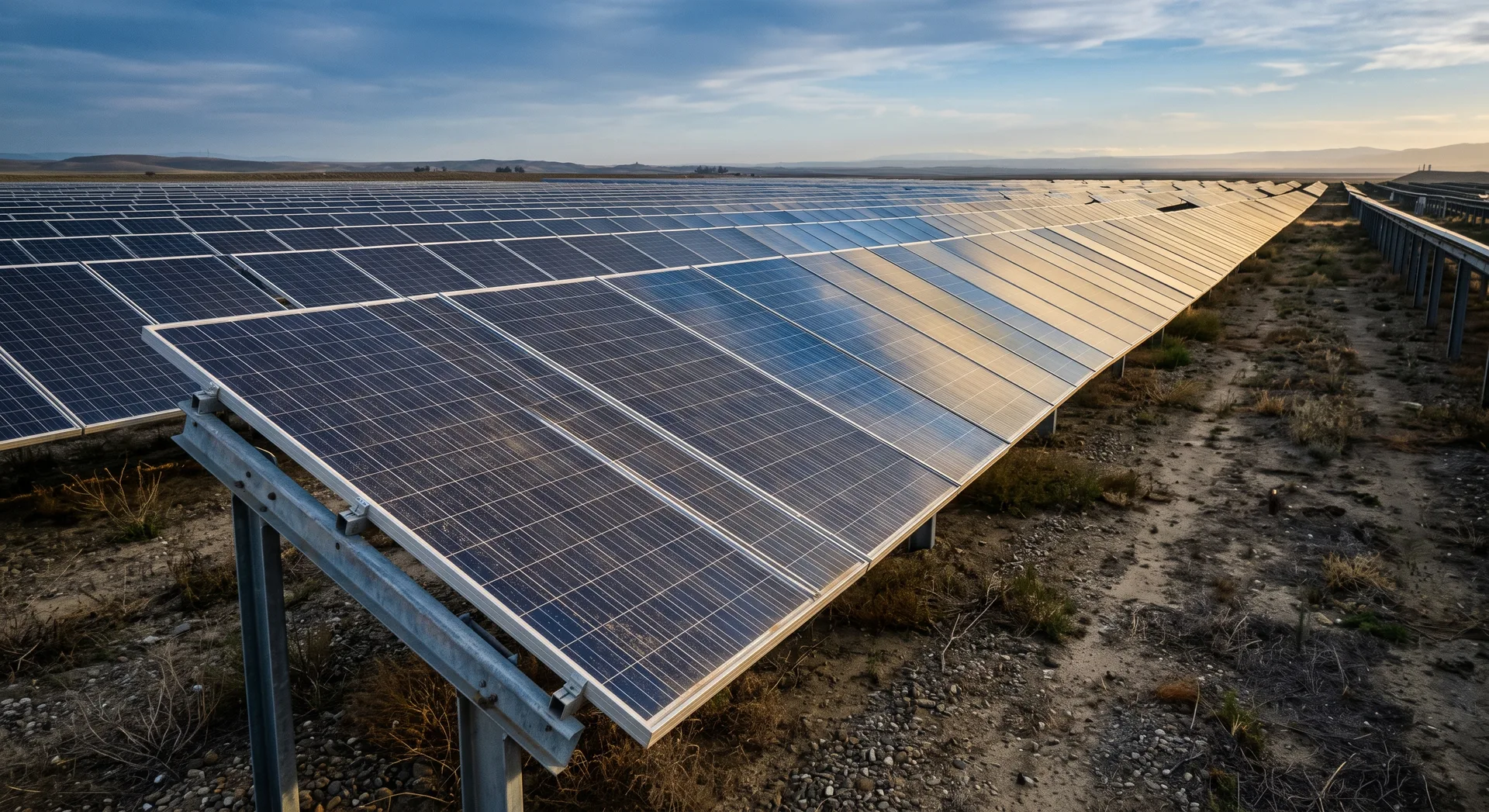
Two technologies dominate the renewable build-out, and they draw on opposite ends of the Orión mineral set. Wind needs magnets. Solar needs silicon of a purity that only a small number of quartz deposits can support. This section treats renewable generation as an end use — the equipment itself, and the materials that equipment cannot easily do without.
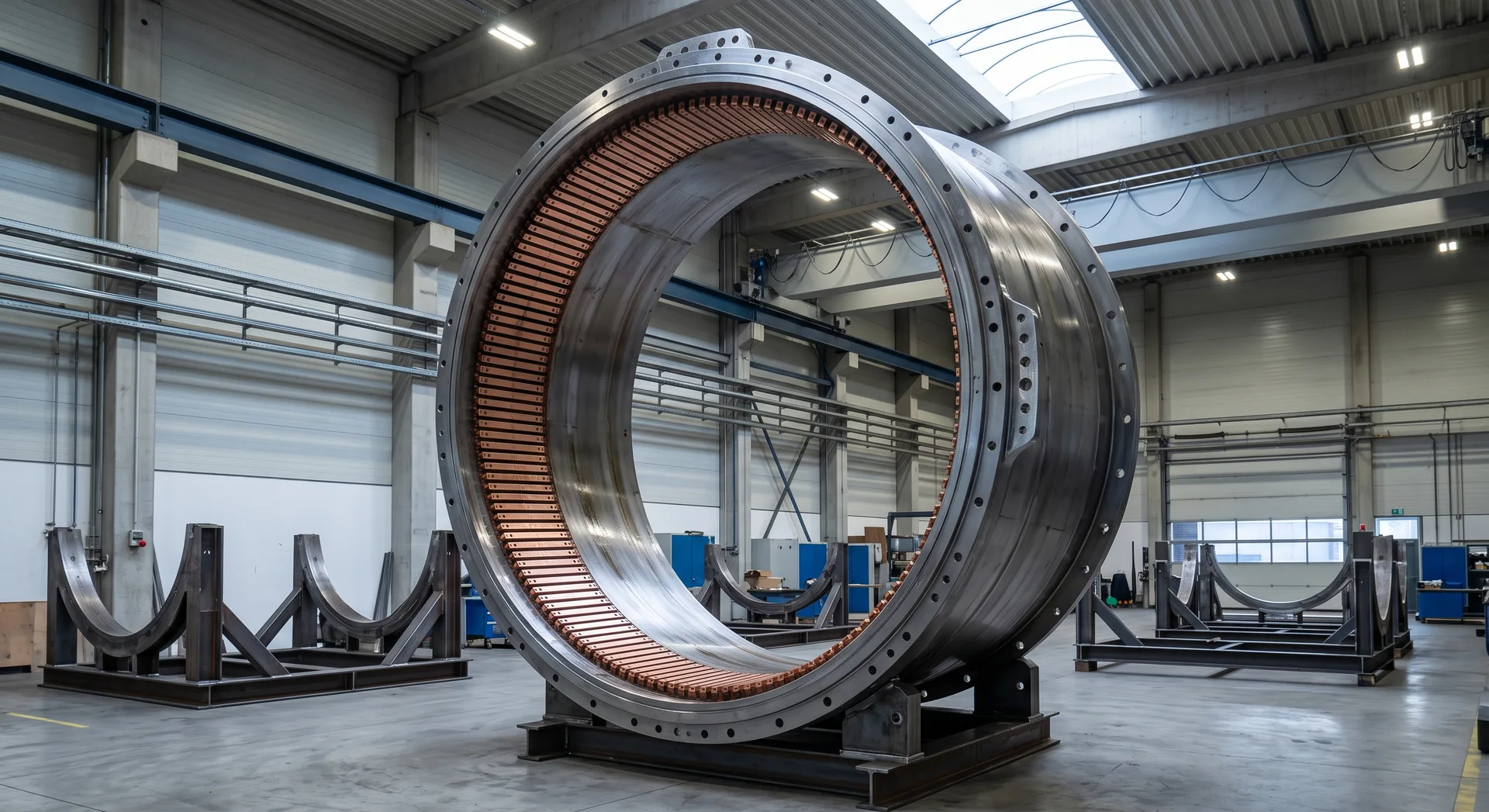
Direct-drive wind turbines, particularly offshore, use large permanent-magnet generators, and the same neodymium-praseodymium chemistry that drives a car motor scales up to nacelle size. That places rare earths from monazite and xenotime on the demand side of the energy transition twice over. Photovoltaics take a different path. High-purity quartz is what silicon ingot growth is carried out in, and it is also the glass through which a panel must keep transmitting light for decades. Titanium and zirconium alloys appear where corrosion and heat are the governing problems, in geothermal plant and in the heat-exchange equipment of thermal renewables.
Material intensity is a different measure from headline capacity, since equal amounts of installed solar and offshore wind make entirely different demands on a mineral supply chain. Magnet-free generator designs carry their own trade-offs in mass and efficiency, quartz sits at a particular point in the solar chain relative to polysilicon and cell manufacture, and recycling and repowering questions arrive on their own schedule as the first generation of installed equipment ages.
Follow the materials through Rare Earths and Silica/HPQ. The solar chain continues into Semiconductors, where the same purity problem recurs in a different industry; Electric Vehicles competes for the same magnet supply; and Supply & Demand puts both against the wider balance for these minerals.