 ASX: OSM · Orión Project
Minerals Hub / Applications & Industries / Robotics
Applications & Industries · Section 10 of 11
Robotics
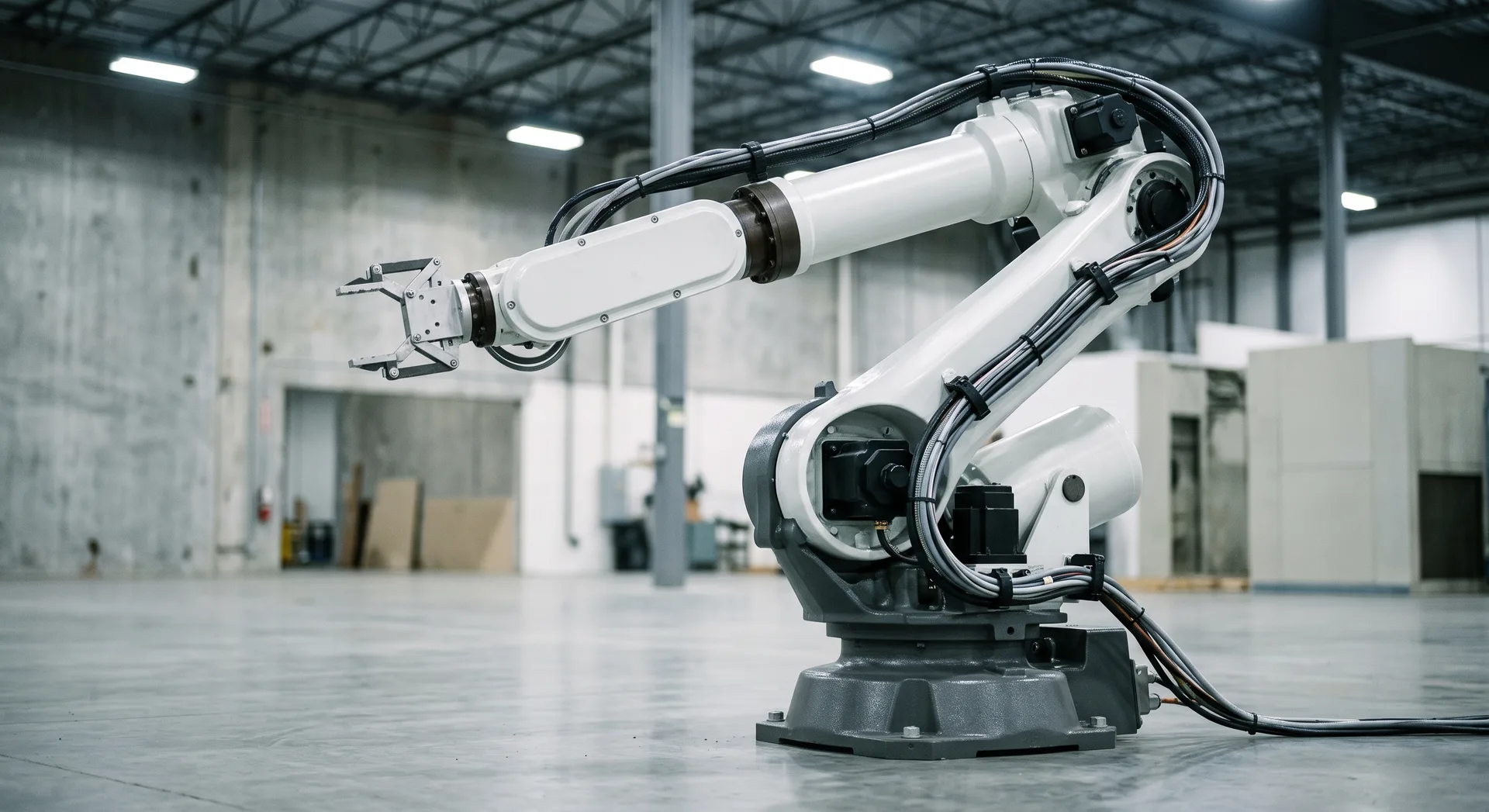
Robotics here is a destination for these minerals, not a mining method. Industrial and service robots depend on permanent magnets for their motors and on titanium and specialty alloys for structures that must be light and stiff — which is what puts robotics on the demand side of a rare-earth and titanium story. (For robotics changing how mining itself is done, see Robotics under Innovation & Technology.)
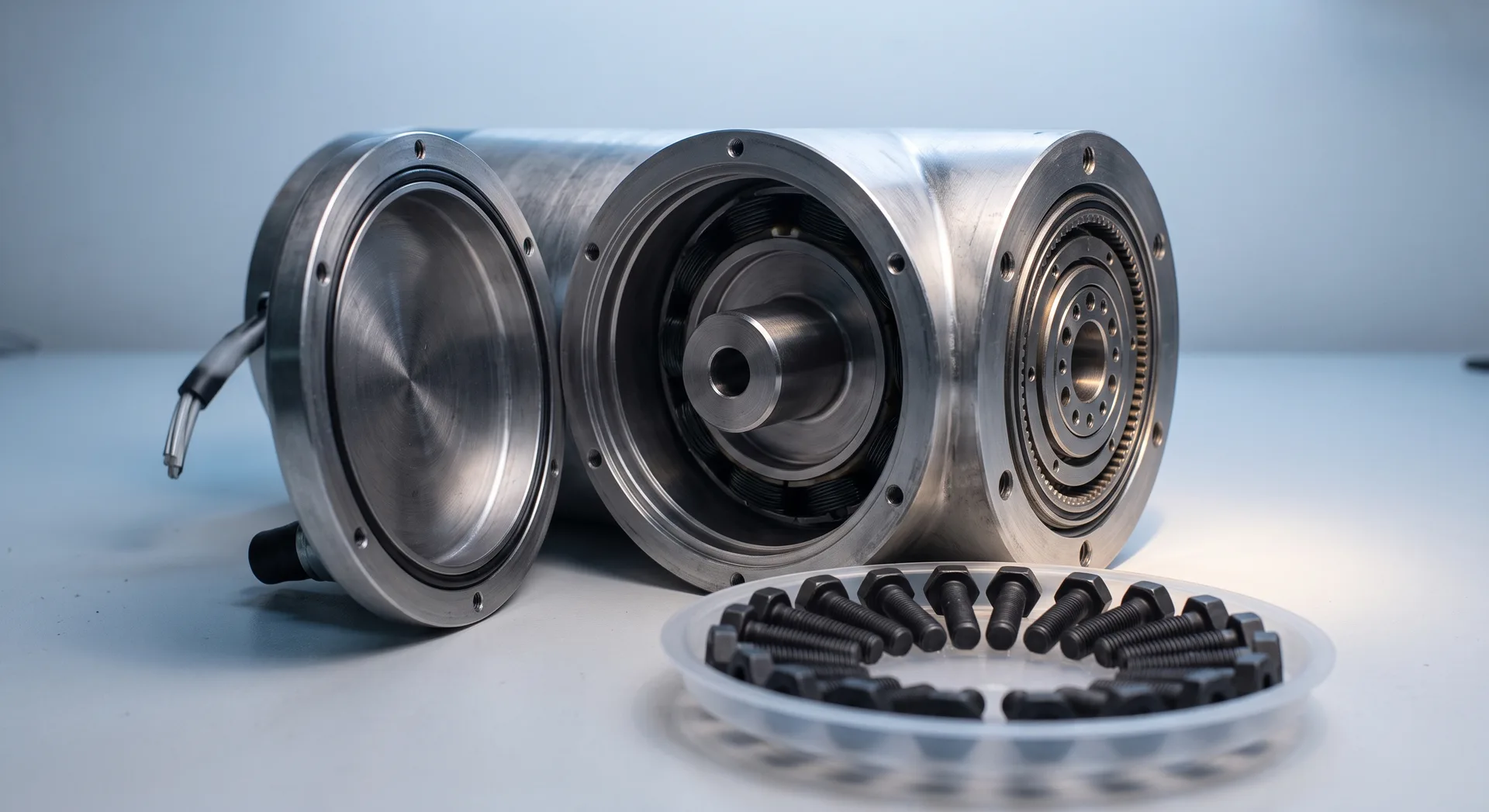
The demand arithmetic is unusual, and it is worth stating plainly. A robot's material intensity scales with its joints, not with its size: every axis needs a motor, most of those motors are permanent-magnet designs, and each one carries neodymium, praseodymium and — where the duty cycle runs hot — dysprosium or terbium. An articulated industrial arm therefore carries a magnet assembly at every joint, where a comparable machine tool carries only a handful in total. Structural material follows the same logic in reverse. Anything a robot accelerates and stops repeatedly rewards stiffness per unit of mass, which is where titanium alloys and other light structural materials earn their place, particularly in arms, end effectors and mobile platforms. Sensors, encoders and precision bearings add smaller quantities of zirconia and other engineered ceramics.
That demand carries into the supply chain in specific ways: magnet grade and thermal specification are design decisions with mineral consequences, magnet manufacture is concentrated relative to robot assembly, and humanoid and service robot development would change the picture entirely if it reached the volumes its proponents expect. Warehouse automation, surgical robotics and agricultural machines are distinct demand profiles rather than a single category, since they differ in duty cycle, in the precision they require and therefore in the grade of material they specify.
Rare Earths and Titanium/Rutile are the material pages behind this one. Electric Vehicles shares the same magnet supply chain almost exactly, and Market Drivers places robot demand alongside the other forces acting on these minerals.