 ASX: OSM · Orión Project
Minerals Hub / Applications & Industries
Pillar · 01 of 09
Applications & Industries
This pillar follows the minerals to the places that consume them. It covers what resources are used for — the industries, products and hardware in which the rare earths, hafnium, zirconium, titanium and high-purity quartz come to rest — rather than how the industry supplying them is changing, which is the neighbouring subject of Innovation & Technology.
The grouping holds because demand for a critical mineral never exists in general. It exists in a specification, written by an engineer who chose one material over another for reasons that had nothing to do with mining. A turbine designer, a tile manufacturer and a radar programme share no commercial relationship, no common cycle and no vocabulary, yet each writes a claim on material leaving the same separation plant. Setting their requirements beside one another is the only way to see what demand for one of these minerals is actually made of — and how little of it can be redirected when supply tightens, because a buyer who has qualified a material into a part cannot simply change to another.
Each destination also reaches the assemblage at a different depth. Some industries buy a milled mineral almost as it leaves the concentrator; others need a separated oxide, a metal, an alloy or a finished magnet, and the dependence that matters sits at whichever of those steps is hardest to replace. Rutile and ilmenite reach paint and plastic as pigment and aircraft as metal. Zircon reaches a tile glaze and, through zirconium refining, a reactor and a hafnium supply. Monazite and xenotime reach anything that turns electricity into motion.
The subjects gathered here are destinations rather than themes: the sectors that specify these materials, the components inside which they are invisible, the qualification barriers that decide who may supply them, and the substitution pressure that sets a ceiling on what any of them will pay.
- 11sections
- 11populated
- 13articles
The client's structure · 11 sectionssolid = populated · dashed = no articles yet
Pillar front door
2 articles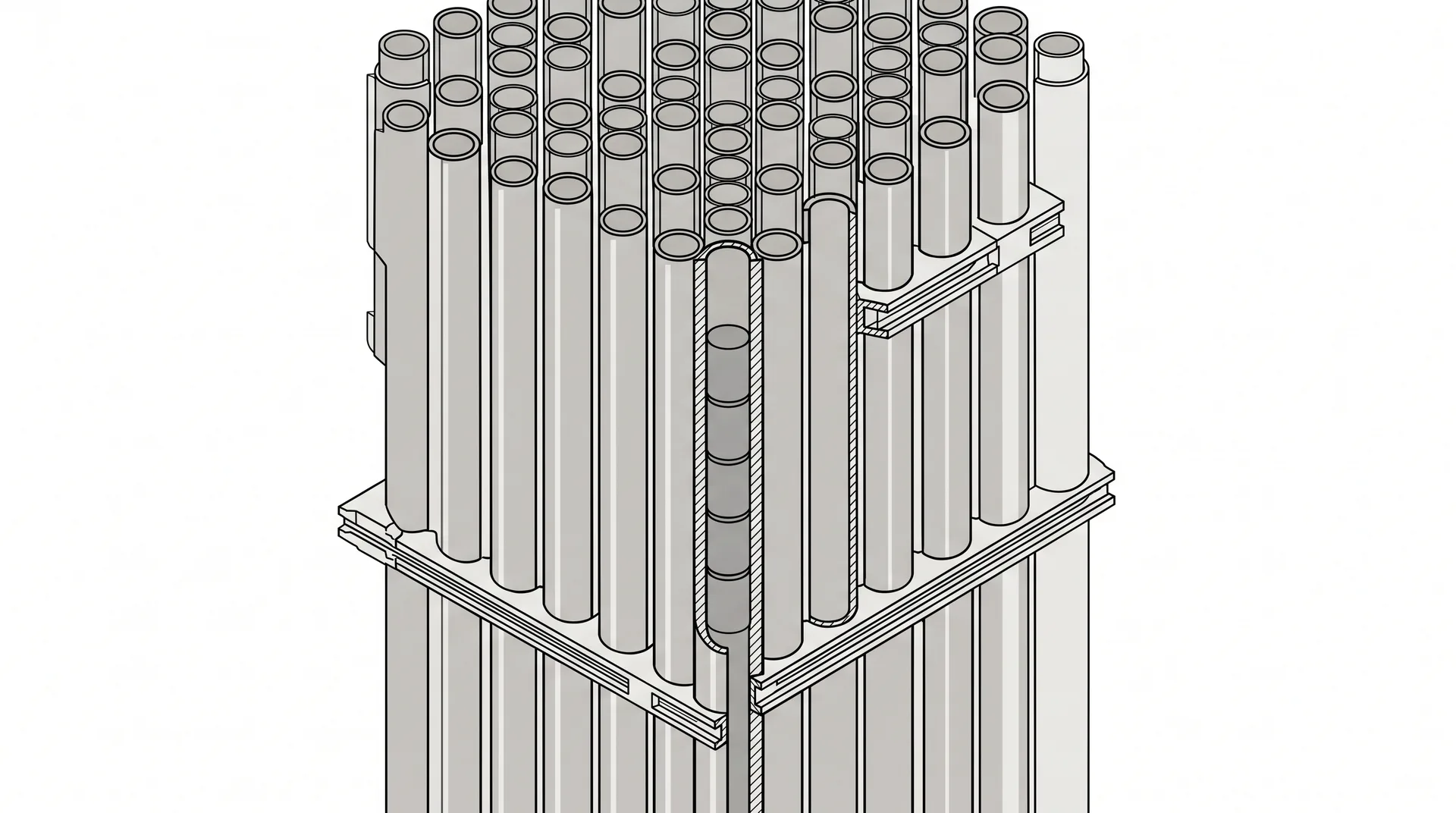

Proposed section additions · our proposal, not the client's structure3 proposals
Pigments & Coatings
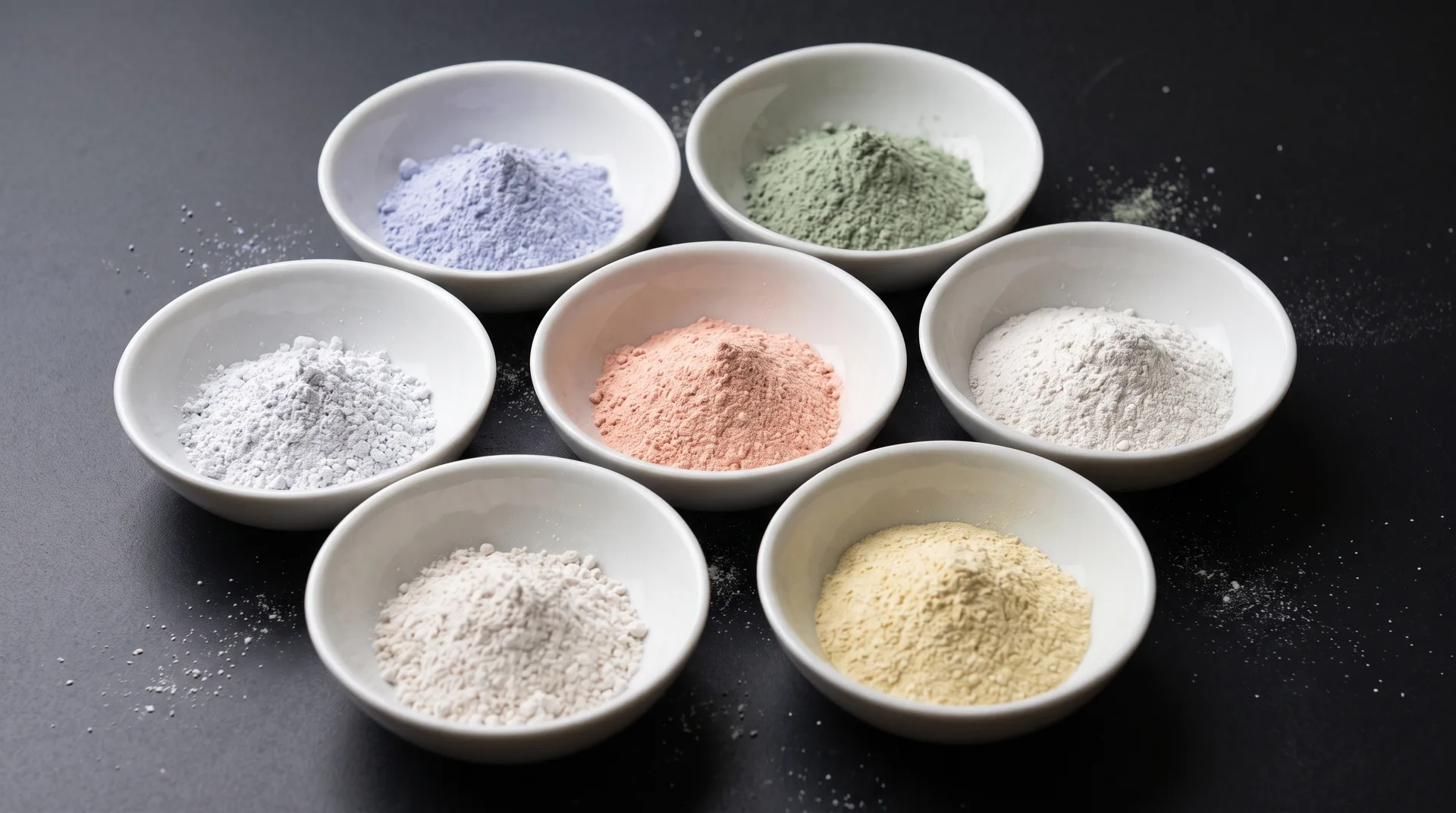
Proposed — not adoptedTiO₂ pigment is the dominant market for titanium feedstock — rutile is the flagship mineral; its biggest end-use has no section.
article 12 (the white in everything)
Nuclear Energy
Proposed — not adoptedNuclear is the entire reason zirconium and hafnium are separated — Zr nuclear-transparent, Hf nuclear-absorbing, split for cladding and control rods. The hafnium story the corpus already carries.
articles 11 (nuclear revival) + 07 (hafnium)
Ceramics & Refractories
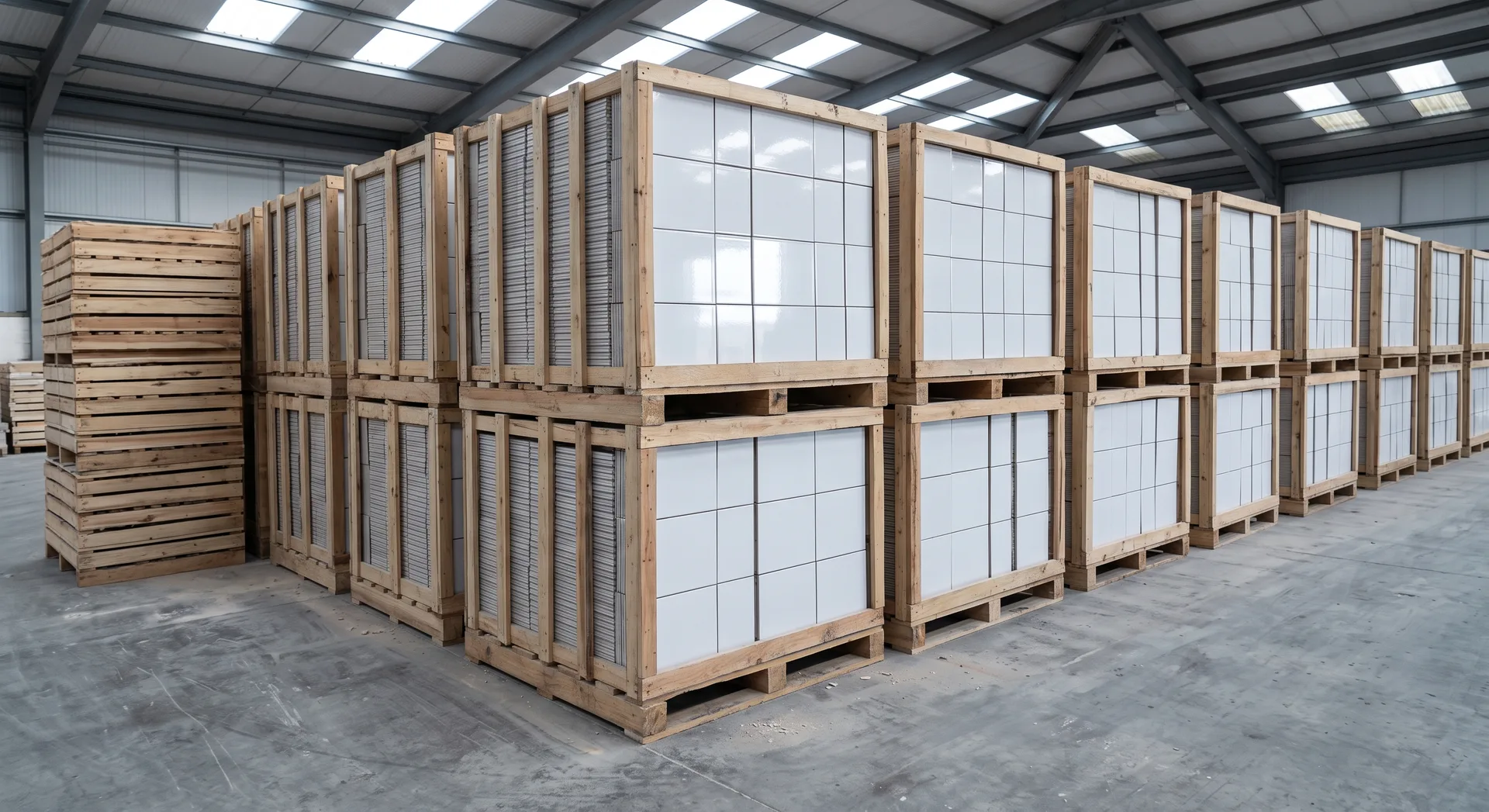
Proposed — not adoptedCeramics/opacifiers, refractories and foundry are zircon's largest applications (USGS end-use set, sourced in the corpus) — "Construction" is a poor fit for tile opacifiers.
articles 08 (USGS end-uses, sourced) + 21; checked positive 17 Aug (the zircon check)
Minerals in this pillar