 ASX: OSM · Orión Project
Minerals Hub / OSM Core Resources / Hafnium
01 Overview02 Properties03 Occurrence04 Exploration05 Mining06 Processing07 Applications08 Global Supply09 Major Projects11 Supply Chain12 Market Context13 Sustainability14 Related Companies15 Related Technologies16 Latest Articles
Hafnium is the family with no family of its own. It has no ore, is never mined directly, and reaches the world only through zircon - the same mineral the Zirconium hub is built on. At Orion it is assayed as HfO2, returning 1,178-1,204 ppm in bulk channel samples as at 19 Feb 2026. Those are grades for the bulk samples, not for the deposit, and Orion has no JORC-compliant Mineral Resource or Reserve: exploration results and mineralogical estimates only, with a maiden MRE and Scoping Study pending, targeted Q3 CY26. Because the carrier is zircon, the mineral record for hafnium lives in the Zircon dossier; the element's own science lives on the Hafnium element page.
Hafnium element document (no ore of its own, never mined directly, zircon as sole practical carrier); Zircon dossier for HfO2 1,178-1,204 ppm, 19 Feb 2026; shared JORC status and MRE/Scoping Study timing.
Hafnium is element 72, sitting directly below zirconium in the periodic table. That position is the whole story of the element: the two are so alike chemically that separating them is among the hardest separations of any element pair, which is why Processing on this hub is about separation rather than extraction. Physically they diverge - hafnium melts at 2233 degrees C and has a density of 13.281 g/cm3, roughly double zirconium's, so the two are easy to tell apart and hard to pull apart. The full property set, including the crystal chemistry behind the likeness, sits on the Hafnium element page.
Hafnium element document (element 72, position below zirconium, melting point 2233 C, density 13.281 g/cm3 and the roughly-double comparison, difficulty of the separation).
Hafnium occurs invariably inside zirconium minerals - essentially all of it in zircon, where zirconium outweighs hafnium by roughly 34-36 to 1 by mass, about 2-3% hafnium. Across zirconium minerals generally the range is 1-5%. The upper continental crust carries roughly 3-6 ppm. There is no hafnium deposit anywhere to look for; there are only zircon deposits, and the hafnium travels with them. At Orion the carrier zircon sits in a lithified tidal-sand placer, host a weakly laminated Pochico Formation quartzite in Jaen Province, Andalucia, Spain, with heavy-mineral layers 0.3-4.0 m thick. Grades for the hafnium itself are under Exploration.
Hafnium element document (invariable occurrence in zirconium minerals, 34-36:1 mass ratio, ~2-3% hafnium in zircon, 1-5% across zirconium minerals, 3-6 ppm upper continental crust); shared deposit-type and heavy-mineral-layer items.
Hafnium is assayed at Orion as HfO2. Bulk channel samples returned 1,178-1,204 ppm HfO2 as at 19 Feb 2026; hole SOR-08A returned 815 ppm HfO2, reported 16 Jul 2026. Those are two separate results on two dates and two sample types, and the hub keeps them apart rather than merging or averaging them. The wider programme stood at 9 holes for 2,806 metres as at 19 Feb 2026, with assays pending on several, across a permit of 232 km2 and 772 mining units. There is no JORC-compliant Mineral Resource or Reserve; a maiden MRE and Scoping Study are pending, targeted Q3 CY26. Hole-by-hole detail is in the Zircon dossier.
Zircon dossier for HfO2 assays - bulk channel 1,178-1,204 ppm (19 Feb 2026) and SOR-08A 815 ppm (16 Jul 2026); shared programme statement, permit dimensions, JORC status and MRE/Scoping Study timing.
Hafnium has no mining section in the ordinary sense, and saying why is the content. As a general matter of the industry, no orebody is developed for hafnium and no mine plan contains it. The mining that ultimately produces the world's hafnium is heavy-mineral-sand mining undertaken for titanium minerals, in which zircon is recovered as a coproduct; the hafnium is still locked in that zircon when it leaves the mine gate, and only appears as a separate material several steps later. Two consequences follow, and both matter to anyone reading a hafnium figure. There is no such thing as a hafnium cut-off grade or a hafnium reserve, because the quantity that governs is the zircon grade and the zirconium-to-hafnium ratio inside it. And hafnium availability responds to mining decisions in which hafnium was never a variable. At Orion the same holds. Hafnium is assayed - 1,178-1,204 ppm HfO2 in bulk channel samples as at 19 Feb 2026, and 815 ppm in hole SOR-08A reported 16 Jul 2026 - but an assay is not a mining plan, and Osmond has stated no mining method, rate, schedule or capital estimate for the project at all. The deposit is a lithified tidal-sand placer rather than a loose sand, which changes what mining it would involve; the Zirconium hub carries that discussion, because it is a property of the carrier and not of hafnium. Orion has no JORC Mineral Resource or Reserve; a maiden MRE and Scoping Study are targeted Q3 CY26.
General industry characterisation of hafnium as a material with no mine of its own and no independent grade or reserve concept, flagged as general in-sentence, consistent with the hafnium element document's byproduct chain; Zircon dossier for HfO2 assays - bulk channel 1,178-1,204 ppm (19 Feb 2026) and SOR-08A 815 ppm (16 Jul 2026); shared deposit-type item and JORC status and MRE/Scoping Study timing. No Orion mining-method, rate, schedule or cost material exists in the record - recorded as absent. The mining-method consequences of lithification are left to the Zirconium hub rather than restated here.
Zirconium and hafnium are among the most difficult separations of any element pair, because their chemistry is so alike. The measure of that is the single-stage separation factor: roughly 2 for extractive distillation, 7 for MIBK solvent extraction, 10 for TBP. A factor that low means no single stage does much, so the process must be run in many stages to get anywhere. The driver is nuclear specification from the other direction: reactor-grade zirconium must contain less than 100 ppm hafnium, so the hafnium has to come out whether or not anyone wants it - and the hafnium removed becomes control-rod feedstock. No processing route has been established for Orion material.
Hafnium element document (separation difficulty; single-stage separation factors ~2 extractive distillation, 7 MIBK, 10 TBP; reactor-grade zirconium below 100 ppm hafnium; removed hafnium as control-rod feedstock).
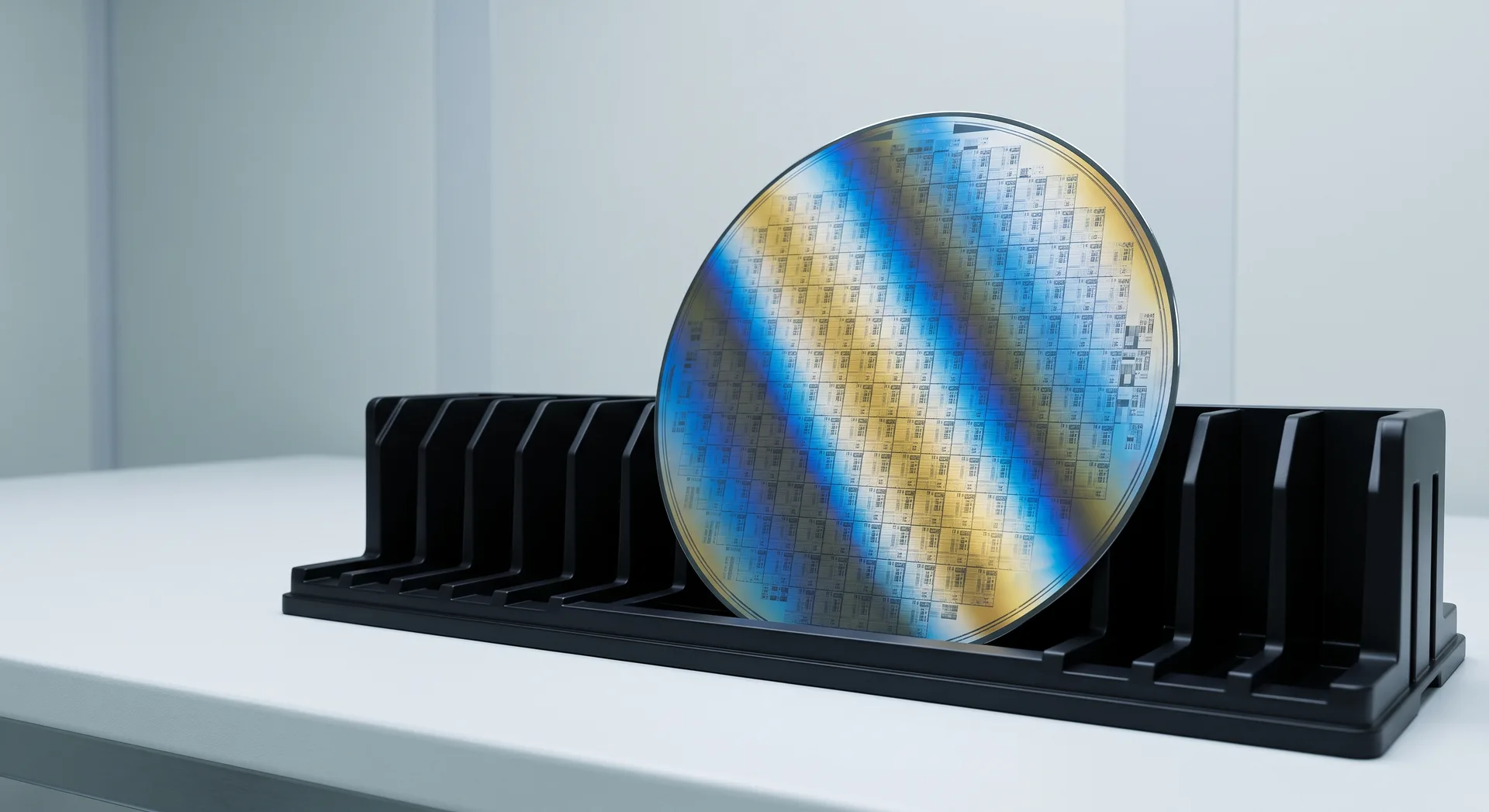
Hafnium's thermal-neutron cross-section is about 104 barns against zirconium's ~0.18 - roughly 600 times greater. The pair sits at opposite ends of the same problem: zirconium is used to let neutrons through, hafnium to stop them, which is why hafnium goes into nuclear control rods, particularly in naval reactors. The leading use, though, is elsewhere: nickel-based superalloys for jet-engine hot sections, where about 1% hafnium is worth roughly 50 degrees C of service temperature. Hafnium also goes into plasma-arc cutting electrodes, and HfO2 into high-k gate dielectrics, first used in leading-edge processors in early 2007. Nothing from Orion has been sold, qualified or contracted for any end use.
Hafnium element document (104 barns vs ~0.18, ~600x; control rods and naval reactors; superalloys as leading use, ~50 C at ~1% hafnium; plasma-arc electrodes; HfO2 high-k gate dielectrics from early 2007).
World hafnium supply is unusually concentrated. France accounts for about 49% of it, and the EU produces roughly 35 t/yr unwrought, on the basis given in article 07. Set that against EU hafnium import reliance of 0% - Europe is not dependent on anyone for this metal, which is the single clearest lead the continent holds in critical minerals. Two cautions on reading it. The 35 t/yr is unwrought metal, not a mineral or oxide tonnage. And the 49% is a share without a published world production total behind it on this hub, so it should be read as a stated share rather than a figure that can be worked back to tonnes.
Article 07 (EU hafnium import reliance 0%, EU production ~35 t/yr unwrought, France ~49% of world supply).
A hafnium project would not be a mine. As a general matter of the industry, hafnium capacity is added by building or expanding the plant that separates hafnium from zirconium, which exists in order to make nuclear-grade zirconium rather than to make hafnium; the hafnium is what has to come out. That inverts the usual project logic. There is no exploration stage for hafnium, no discovery to be made and no resource to be estimated, and a project pipeline for this element is a list of chemical plants attached to zirconium refining. Whether anything answering that description is under construction anywhere is not stated in the material behind this hub, and no hafnium project is named or described in it. Orion is the only project this publication carries, and its relationship to hafnium is narrower than its relationship to any other family here. Hafnium is present in the assay and nowhere else in the record: no hafnium recovery step, no separation plant, no product specification and no hafnium tonnage of any kind has been published. The published testwork reaches a zircon concentrate, and hafnium would remain inside that concentrate, unseparated, at the point where the record stops. Orion is an exploration-stage project with no JORC Mineral Resource or Reserve; its maiden MRE and Scoping Study are targeted Q3 CY26, and neither is a hafnium document.
General industry characterisation of hafnium capacity as separation-plant capacity rather than mine capacity, flagged as general in-sentence, following the hafnium element document's account of separation being driven by nuclear-grade zirconium specification; ASX:OSM release 3 Mar 2026 for the published testwork reaching a zircon concentrate; shared JORC status and MRE/Scoping Study timing. No hafnium project is named because none appears in the material, and no Orion hafnium recovery, separation step, product or tonnage appears in the record - recorded as absent.
"Australian Projects" vs the Spain-only hub decision — open question for OSM.
Hafnium is a byproduct of a byproduct. Heavy-mineral sands are mined for their titanium minerals; zircon is recovered as a coproduct of that mining; hafnium is then a byproduct of processing the zircon. Three stages down, and at no point is hafnium the reason anything happens - its availability is set by decisions taken about titanium and zircon, not about hafnium. Europe's position follows from the same structure: the continent's hafnium lead is built on zircon it imports, so a 0% import reliance in the finished metal rests on dependence at the raw end. This hub documents that structure; the volumes sit under Global Supply.
Hafnium element document (byproduct-of-a-byproduct chain: titanium- mineral sands, zircon as coproduct, hafnium as byproduct of zircon processing); article 07 for Europe's lead being made from imported zircon.
Hafnium is a listed critical raw material under the EU's Critical Raw Materials Act (Regulation 2024/1252, adopted 11 April 2024, in force 23 May 2024), whose Annex II names 34 such materials. The Act's 2030 benchmarks - at least 10% extraction, 40% processing and 25% recycling of annual EU consumption, no more than 65% of any strategic raw material from a single third country, and 27-month permitting for Strategic Projects - attach to the Annex I strategic list, and the material available here does not state whether hafnium appears on Annex I as well. The listing therefore stands beside the 0% import reliance recorded under Global Supply, and the hub does not reconcile the two.
Article 08 (CRMA Regulation 2024/1252, Annex I and Annex II, the 2030 benchmarks, single-country ceiling and permitting timeline; hafnium a listed critical raw material); Global Supply for the 0% import reliance.
Hafnium's environmental profile is a chemical plant's, not a mine's. As a general matter of the industry, the impacts attributable to hafnium arise where it is separated from zirconium: multi-stage solvent-extraction circuits carry organic solvent inventories and reagent consumption, and a separation with a single-stage factor as low as this one must be run through many stages, so the chemistry is repeated rather than reduced. Two things about scale should be read together and are easy to get wrong in opposite directions. Hafnium is made in tonnes per year rather than thousands of tonnes - EU production is recorded under Global Supply at roughly 35 t/yr unwrought - so the absolute footprint of hafnium production is small. But the mining and mineral processing that has to happen upstream for that hafnium to exist is not small, and it is not counted against hafnium, because it happens for titanium and zircon. The upstream radiological question belongs to zircon and is carried on the Zirconium hub. For Orion, nothing exists to report. No hafnium recovery is contemplated in any published document, so no environmental question specific to hafnium at Orion has yet arisen, and no environmental impact assessment, permitting timeline beyond the exploration stage, or water, energy, tailings or rehabilitation material has been published for the project as a whole. The tenement disclosure notes compatibility with the ZEC ES6160008 conservation area; that is the extent of it.
General industry characterisation of the zirconium-hafnium separation as the point where hafnium's impacts arise, flagged as general in-sentence, consistent with the single-stage separation factors carried under Processing; Global Supply for the ~35 t/yr EU unwrought production used as the scale comparison; ASX:OSM 14 Aug 2026 JORC tenement table for the ZEC ES6160008 conservation-area compatibility note. No Orion hafnium recovery and no Orion environmental, permitting, water, energy or tailings data exists in the record - recorded as absent.
The shape of hafnium's producer list follows from where hafnium comes from. As a general matter of the industry, hafnium is separated in the plants that make nuclear-grade zirconium, and there are very few such plants; the companies that produce hafnium are therefore the companies that supply the nuclear fuel-fabrication chain, with specialty-metals businesses handling the metal downstream. Concentration at the producing end is a structural consequence of that, not a market accident - a list of hafnium producers is a list of nuclear-zirconium refiners. The buyers are elsewhere again: superalloy makers serving jet-engine hot sections, plasma-cutting consumable manufacturers, and the semiconductor supply chain that uses hafnium oxide as a gate dielectric. No company is named here, because none is named in the material behind this hub. France appears under Global Supply as a country accounting for about 49% of world supply, and the material does not say who within it does the producing; that gap is recorded rather than filled by inference. The only company in the record is Osmond Resources itself - ASX: OSM, also quoted in Frankfurt as 4OG - an exploration-stage company with no Mineral Resource, no production and no hafnium product. No offtake agreement, customer or joint-venture partner has been announced for hafnium at Orion, and no separation counterparty appears anywhere in the record.
General industry characterisation of hafnium production as a function of nuclear-grade zirconium refining, and of the superalloy, plasma-electrode and semiconductor buyer set, flagged as general in-sentence, following the applications and separation material already carried on this hub; Global Supply (article 07) for France's ~49% share and for the absence of a named producer within it; ASX:OSM 14 Aug 2026 for the Frankfurt quotation (4OG). No producer, refiner or peer is named because none appears in the material, and no Orion hafnium offtake, customer or partner has been announced - recorded as absent.
Processing on this hub covers the separation, and Applications covers the end uses; this section covers what lies between and beyond them, and deliberately does not restate the separation. Three technologies do the work. Getting from a separated hafnium compound to hafnium metal follows the same general route as zirconium - reduction of the tetrachloride to a sponge - and where very high purity is needed the sponge is refined further by the iodide process, in which the metal is transported as a volatile iodide and decomposed onto a hot filament. That step is why nuclear-grade and semiconductor-grade hafnium are different materials with different prices. Second, hafnium oxide reaches a processor not as a powder but as a film a few atoms thick, deposited by atomic layer deposition; the deposition technique is what made the high-k gate dielectric possible, and without it the property would have stayed a laboratory observation. Third, hafnium carbide sits among the highest-melting compounds known, which is the basis of interest in it for ultra-high-temperature ceramics and leading edges. All of this is general characterisation of what the industry does with hafnium. None of it touches Orion. What Orion has is an oxide assay in a zircon-bearing rock; no hafnium has been separated, reduced, refined or deposited from Orion material, and no route to any of these products has been published or tested.
General industry characterisation of hafnium metal production by chloride reduction and iodide refining, of atomic layer deposition as the route by which HfO2 gate dielectrics are formed, and of hafnium carbide as an extreme-melting-point compound, flagged as general in-sentence; the applications themselves are carried by Applications from the hafnium element document and are not restated. Zircon dossier for the HfO2 assay basis. No Orion hafnium separation, metal, film or carbide route appears in the record - recorded as absent, not inferred.
 Mining & ProductionOrión Project OverviewCross-listed from Mining & Production
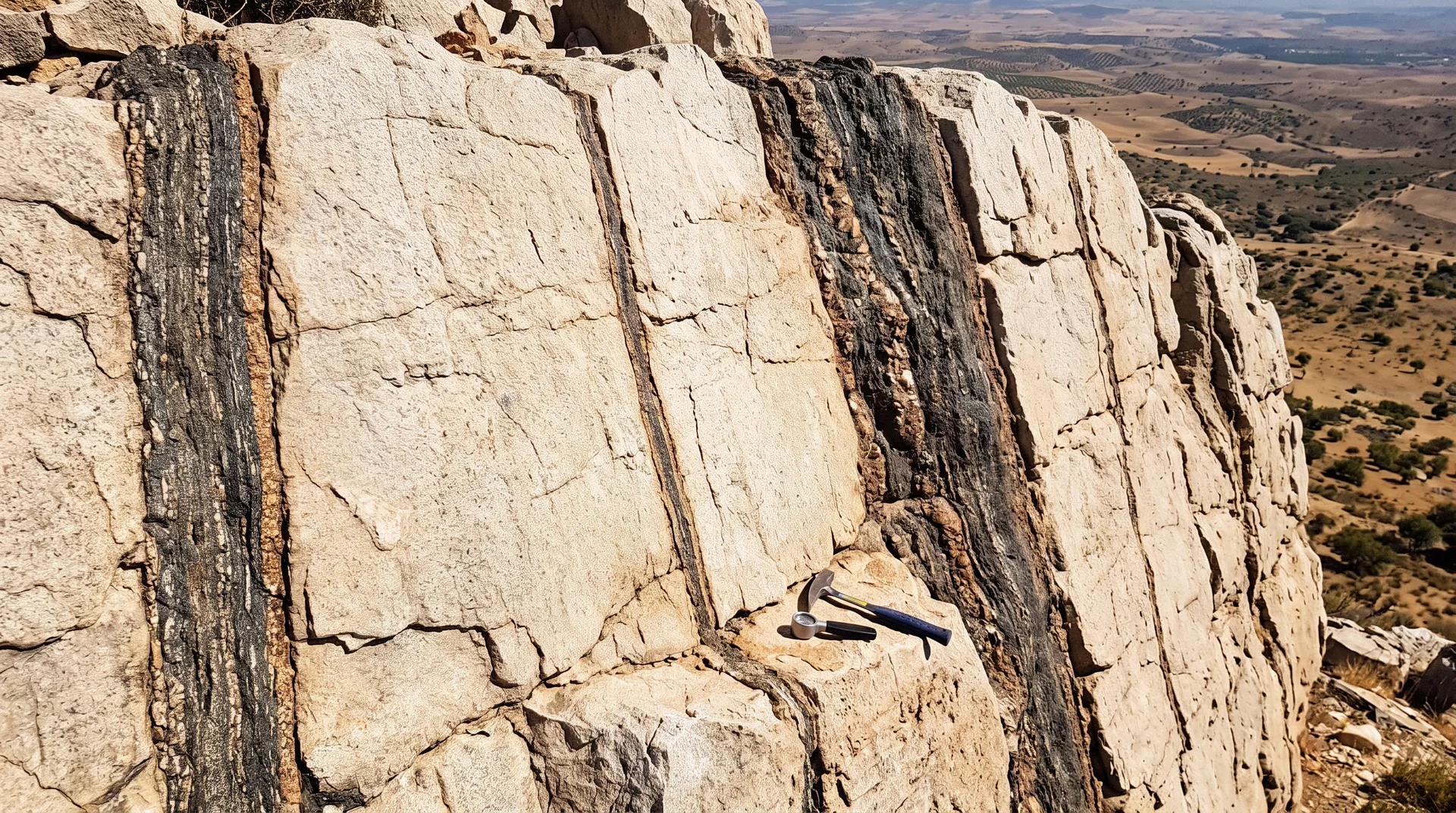 Mining & ProductionReading the Orión seams: what the heavy-mineral layers tell usCross-listed from Mining & Production
 Mining & ProductionFrom outcrop to 187.8 metres: what the maiden drilling foundCross-listed from Mining & Production
 Geography & Supply ChainsEurope makes the world's hafnium. It just can't dig it.Cross-listed from Geography & Supply Chains
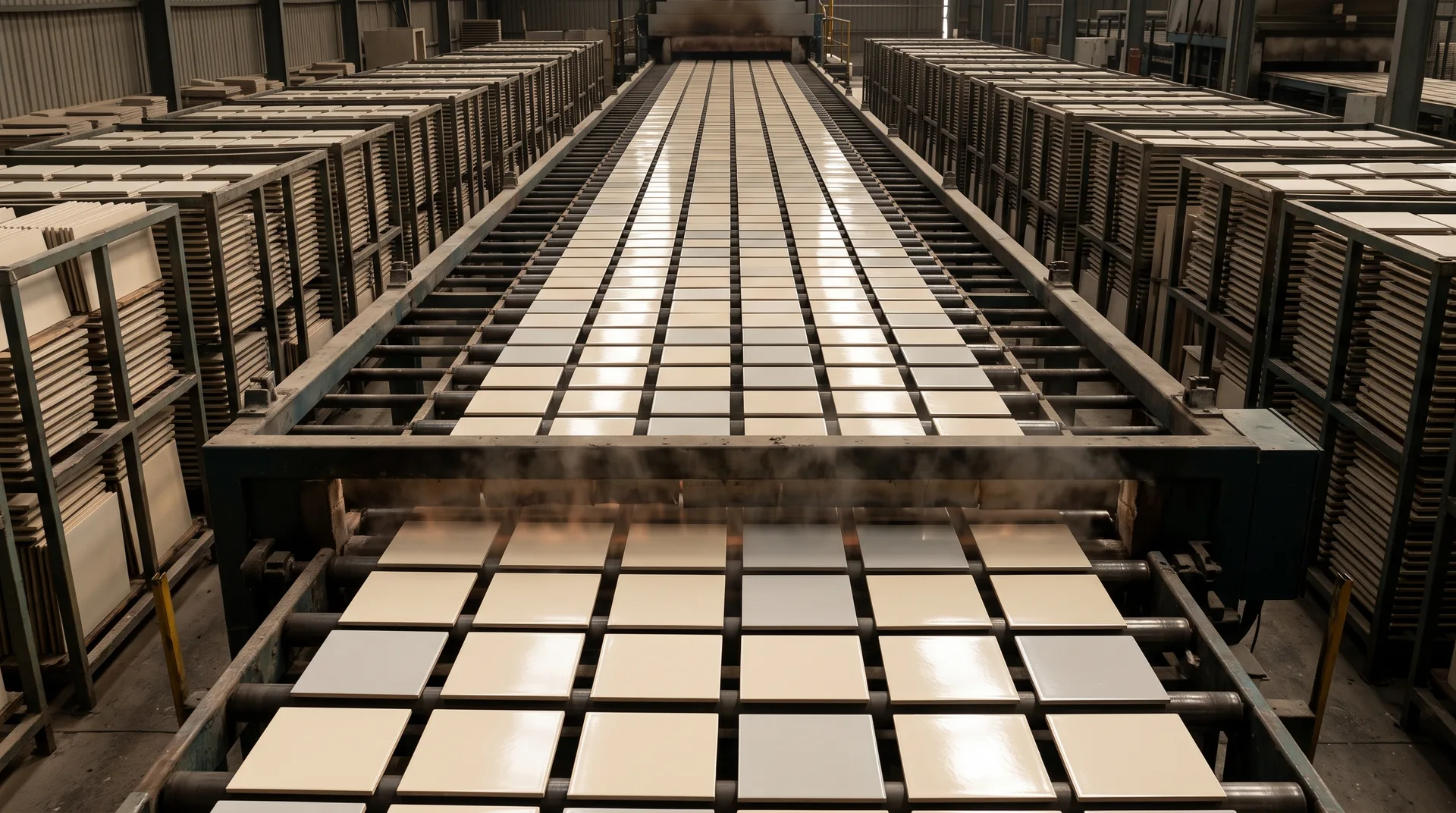 Policy & GeopoliticsZircon and the Critical Raw Materials ActCross-listed from Policy & Geopolitics
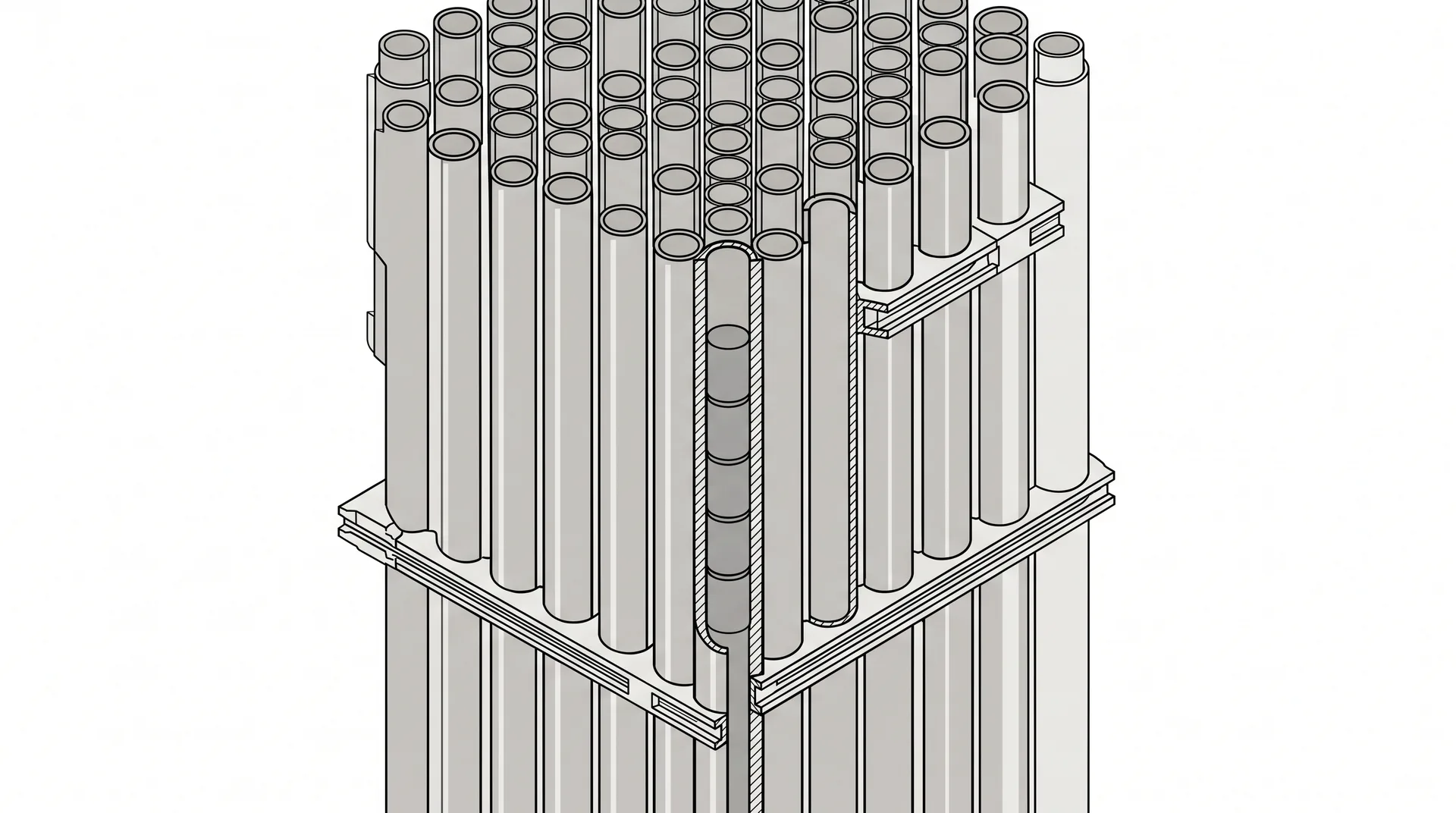 Applications & IndustriesZirconium in the nuclear revivalCross-listed from Applications & Industries
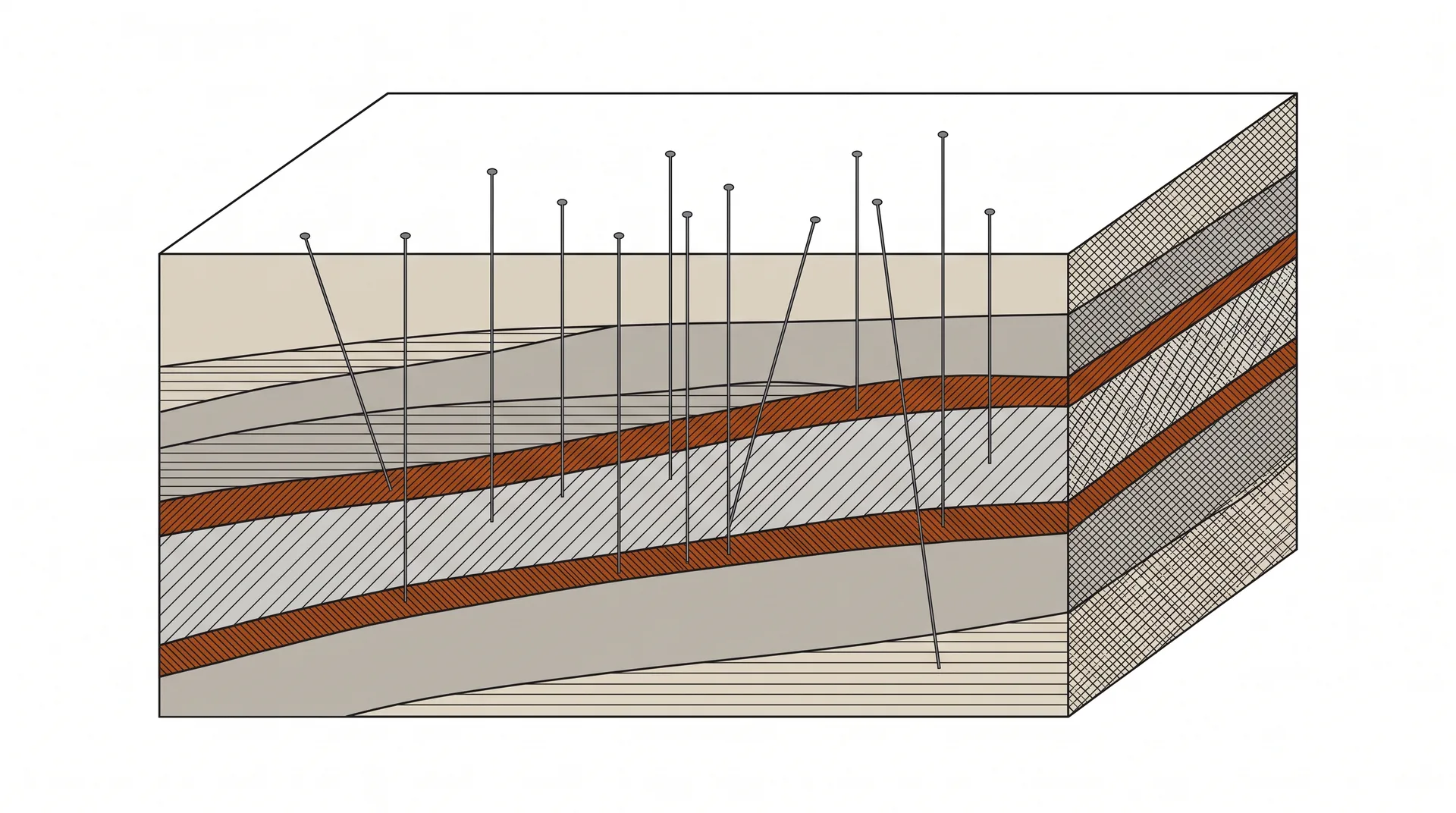 Markets & EconomicsThe road to a maiden resource: what has to happen, and whenCross-listed from Markets & Economics
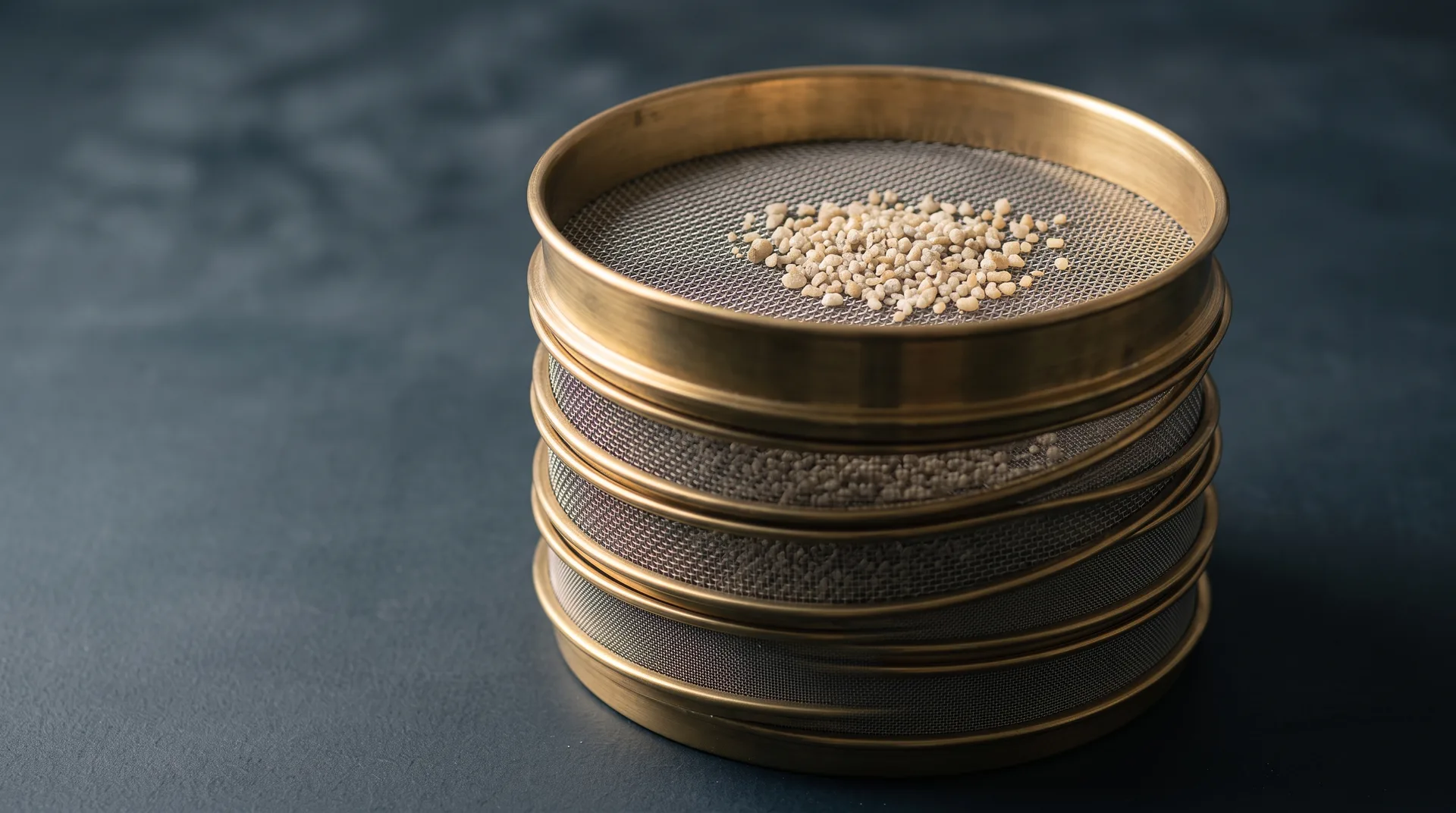 Markets & EconomicsHow to read an early-stage mineral-sands explorerCross-listed from Markets & Economics
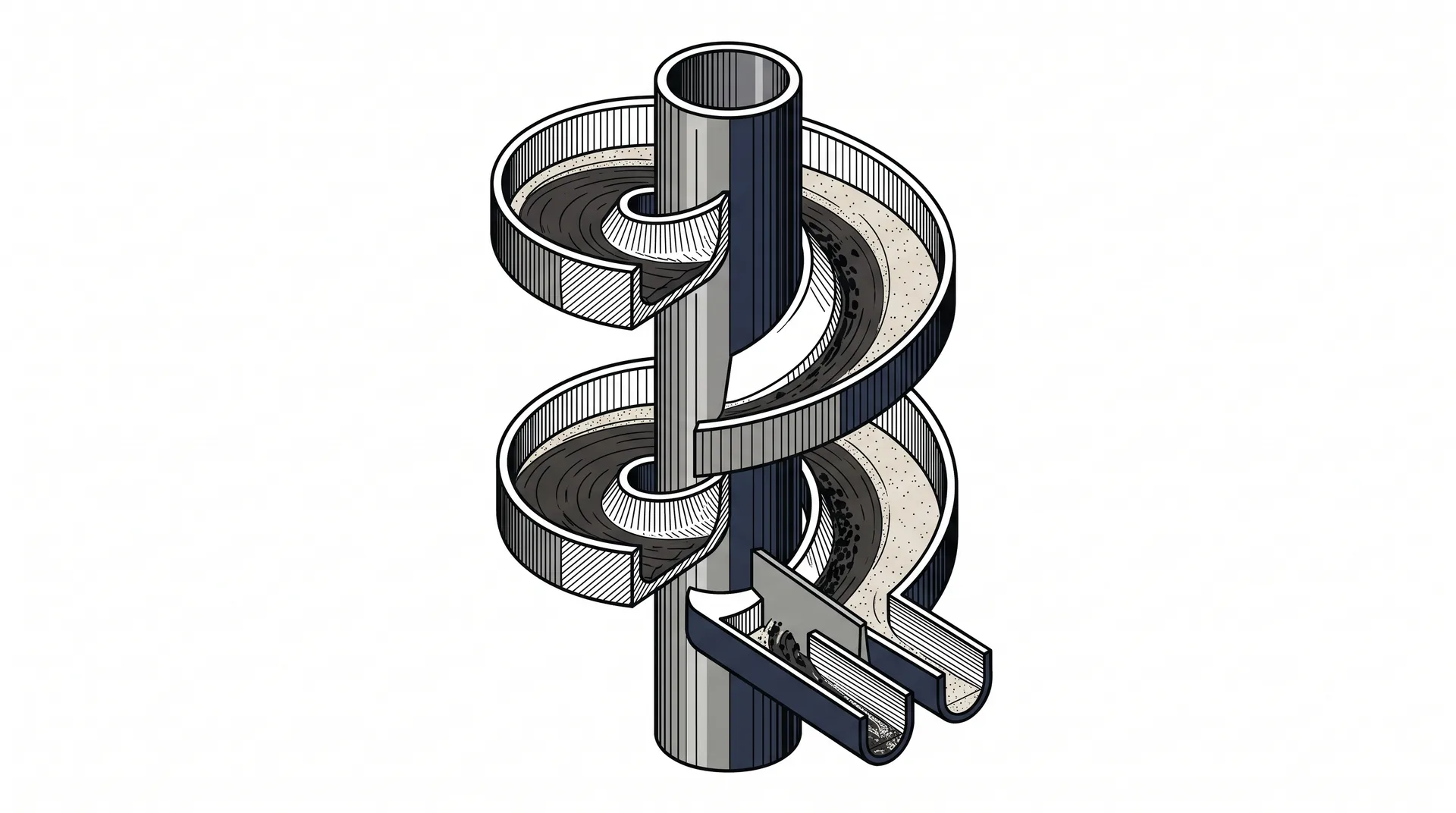 Markets & EconomicsWhy co-products change mineral-sands economicsCross-listed from Markets & Economics
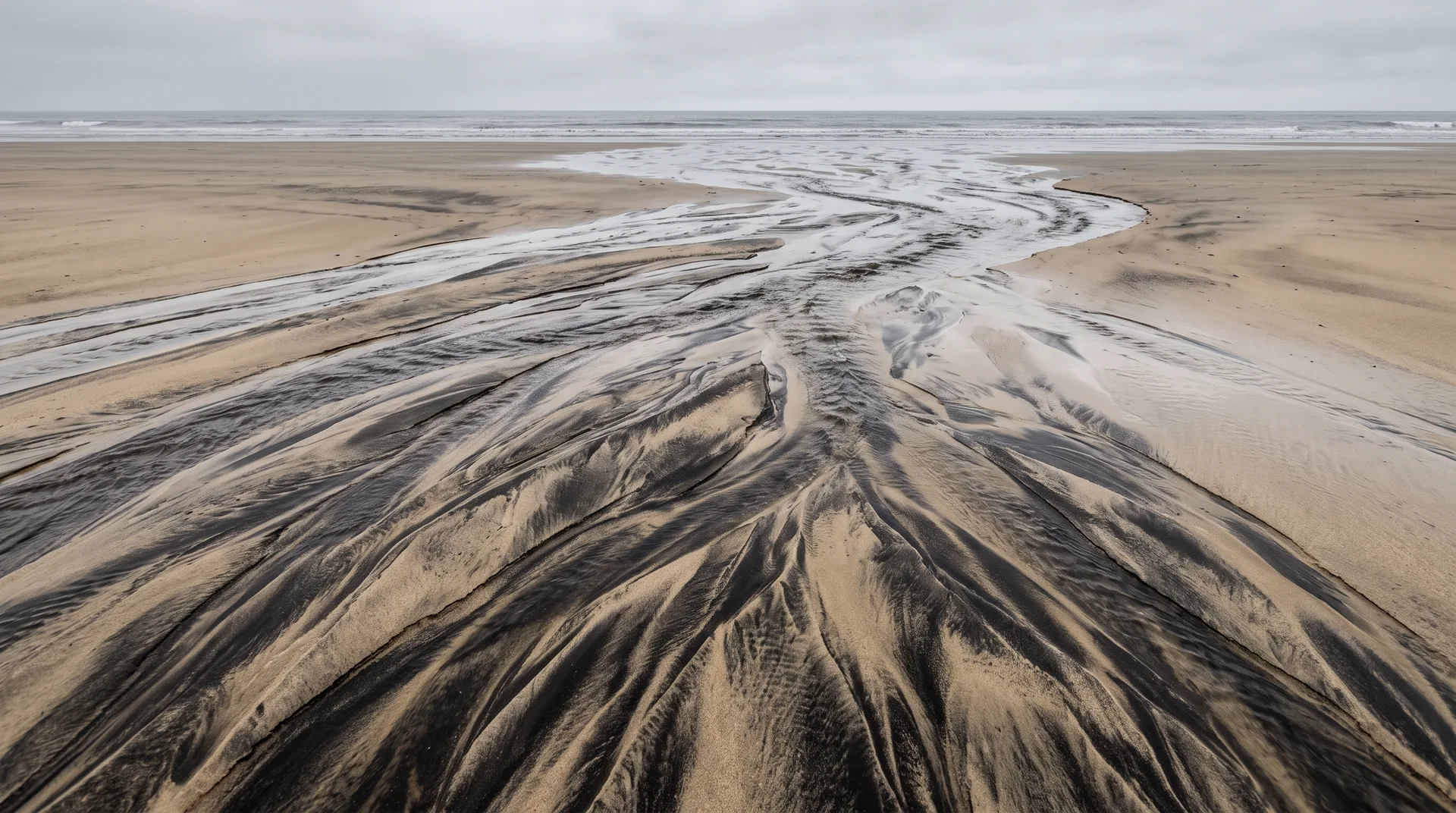 Mining & ProductionWhat a lithified placer actually isCross-listed from Mining & Production
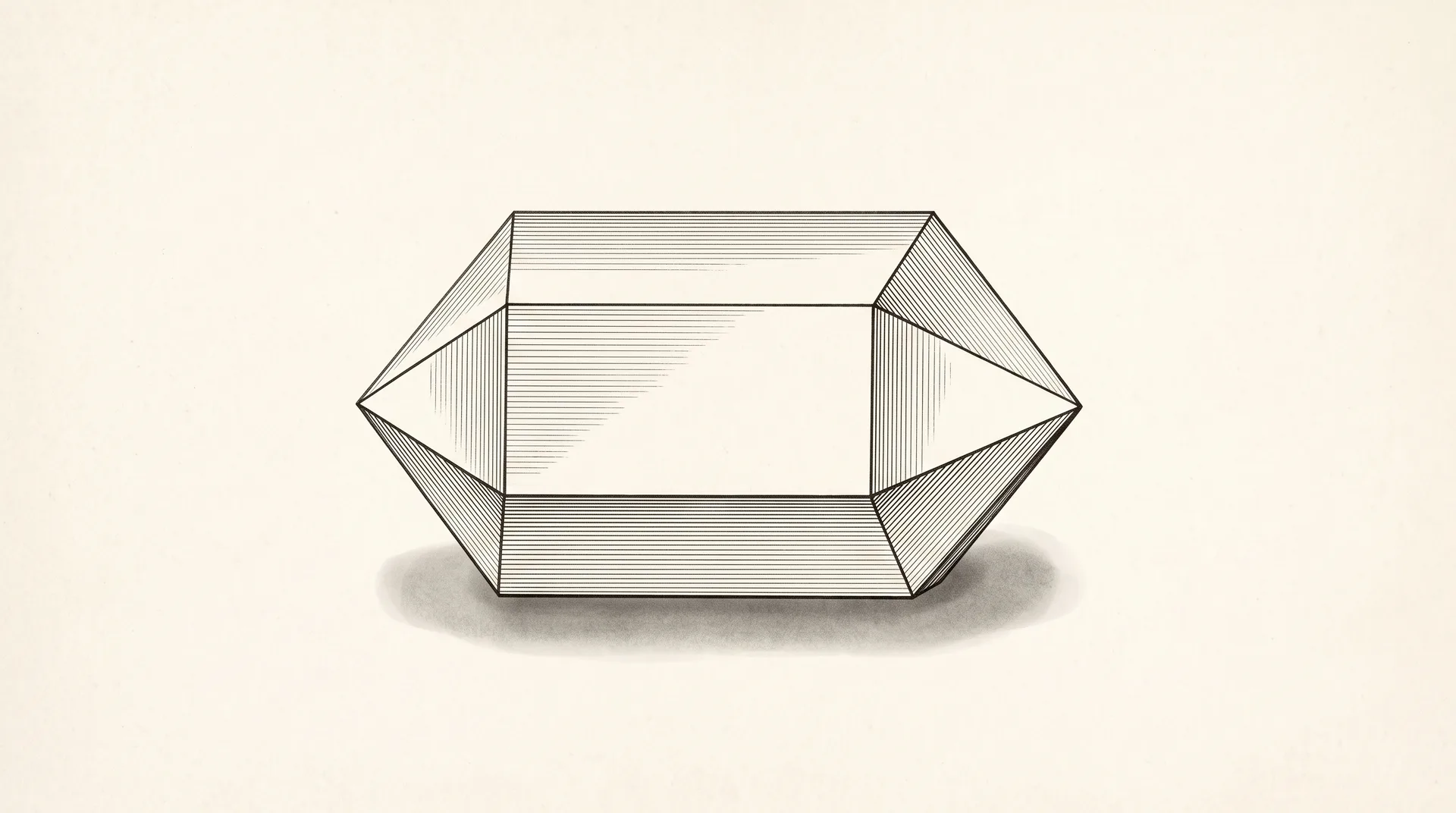 Mining & ProductionFrom 50.2% to premium: the zircon targetCross-listed from Mining & Production
 Mining & ProductionZircon at Orión: the exploration results to date, and the EU supply picture they sit inCross-listed from Mining & Production
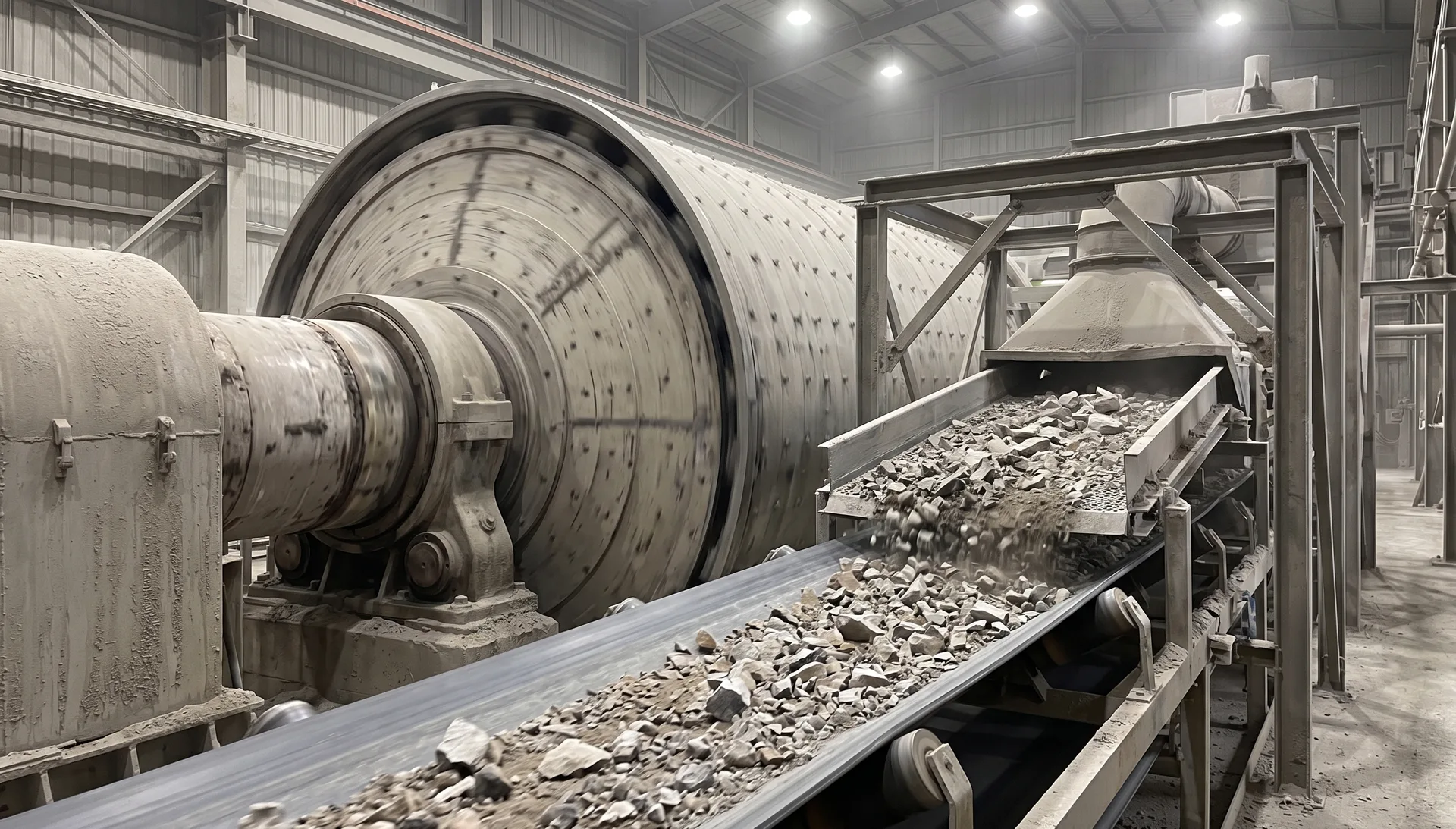 Mining & ProductionBreaking rock without breaking the grainsCross-listed from Mining & Production
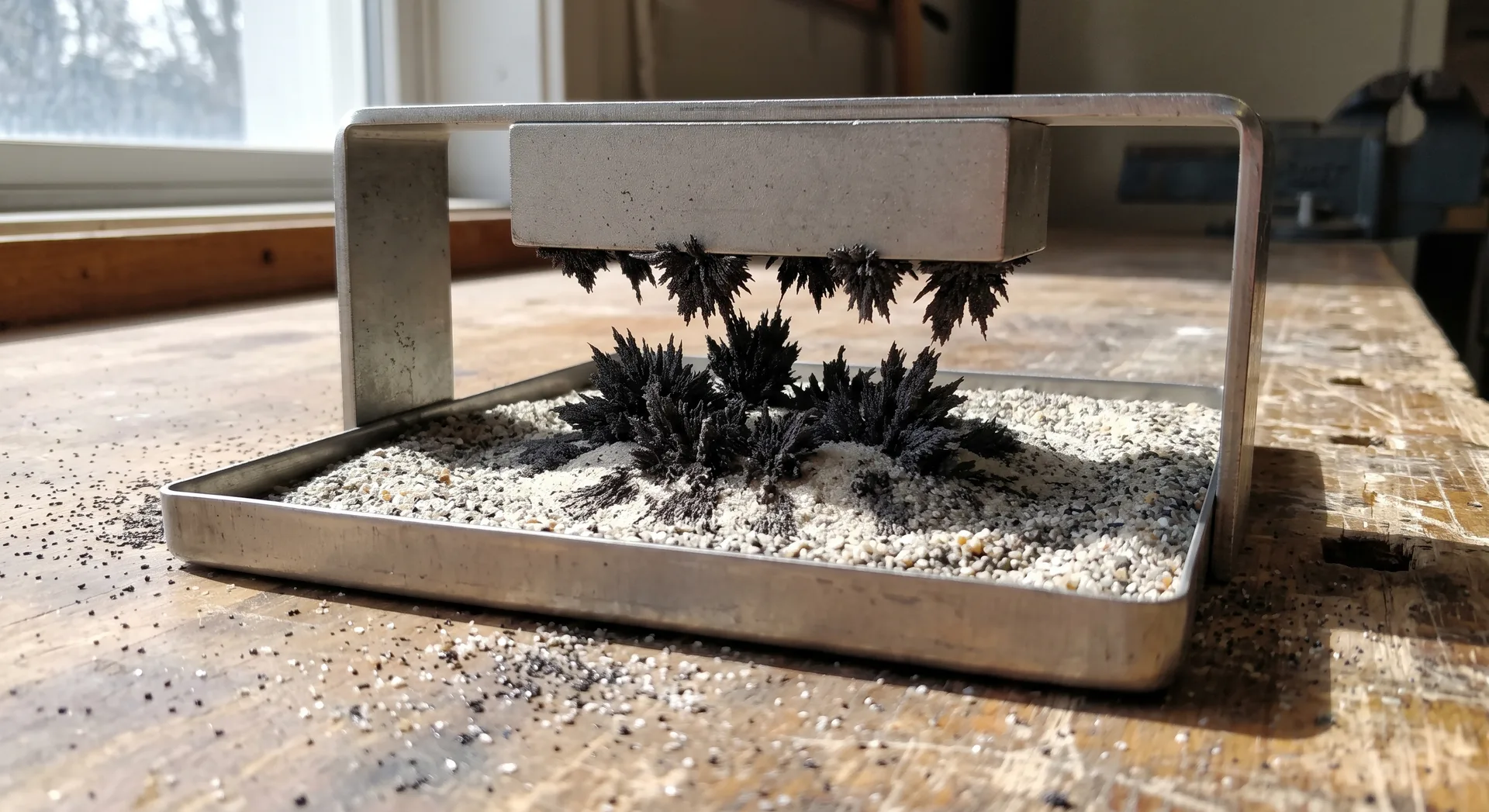 Mining & ProductionHow two properties sort four mineralsCross-listed from Mining & Production
 Mining & ProductionThe separation nobody would do for hafnium aloneCross-listed from Mining & Production
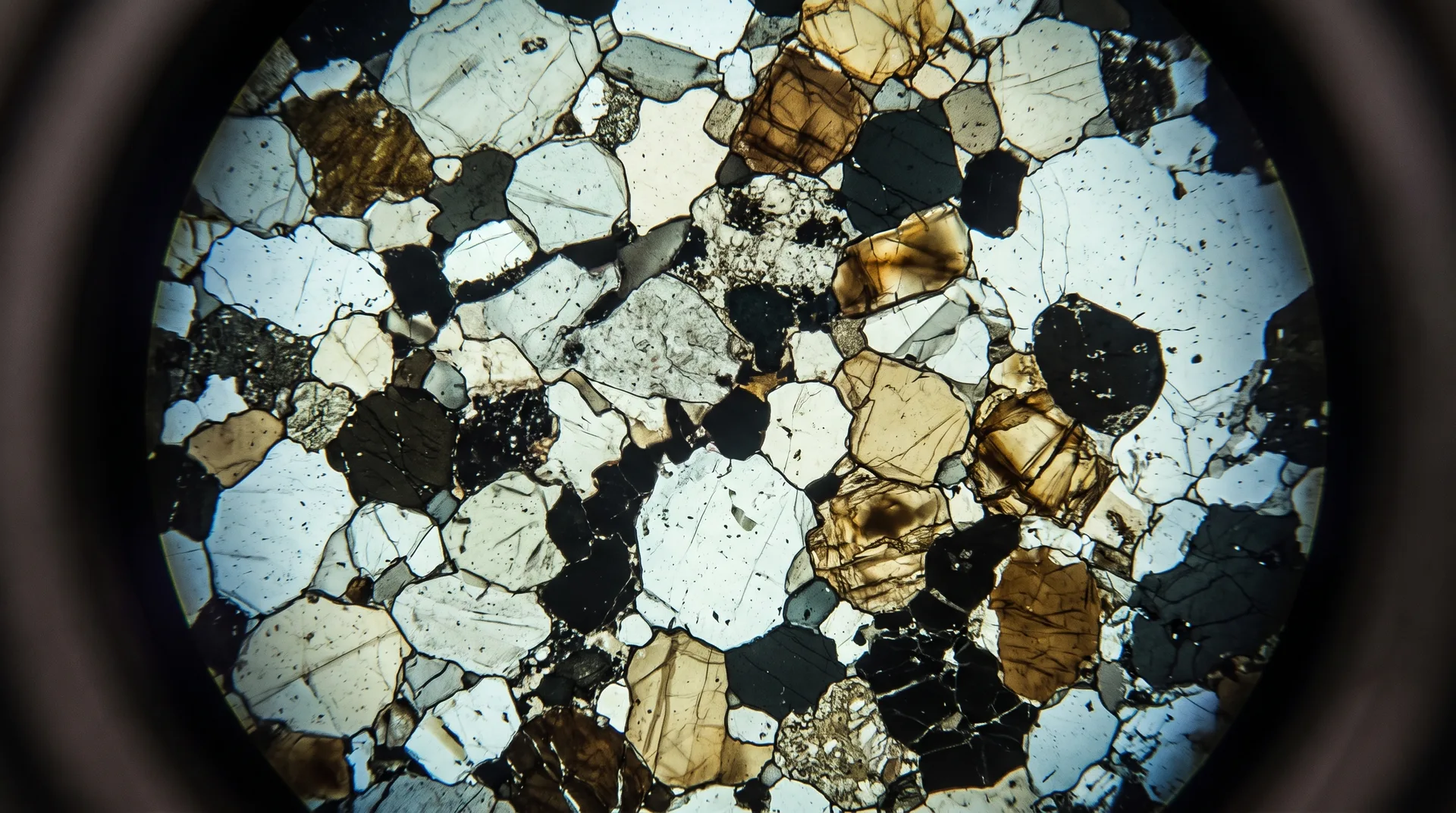 Innovation & TechnologyThe model that decides which mineral you foundCross-listed from Innovation & Technology
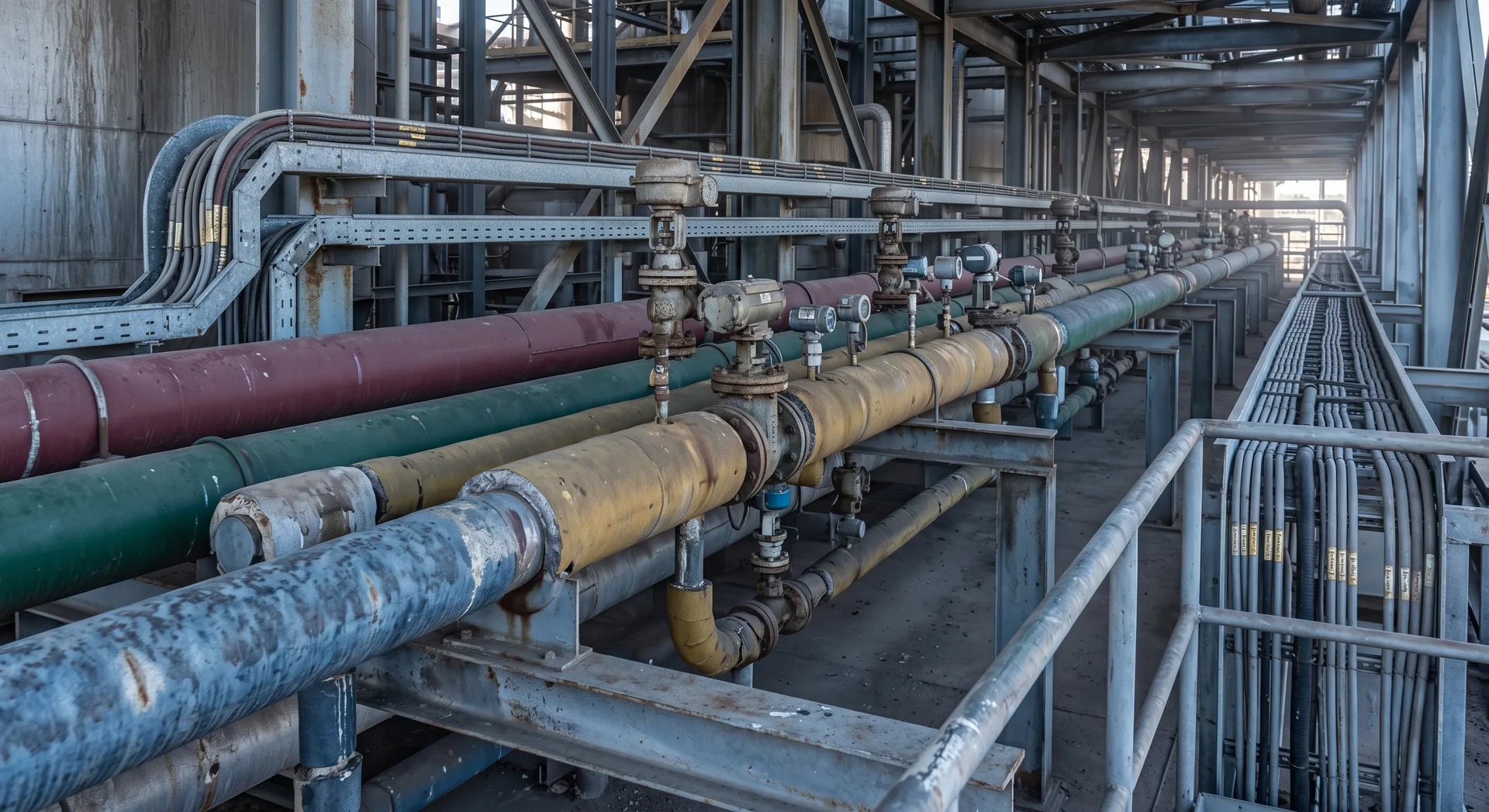 Innovation & TechnologyWhat a four-product plant asks of its controlsCross-listed from Innovation & Technology
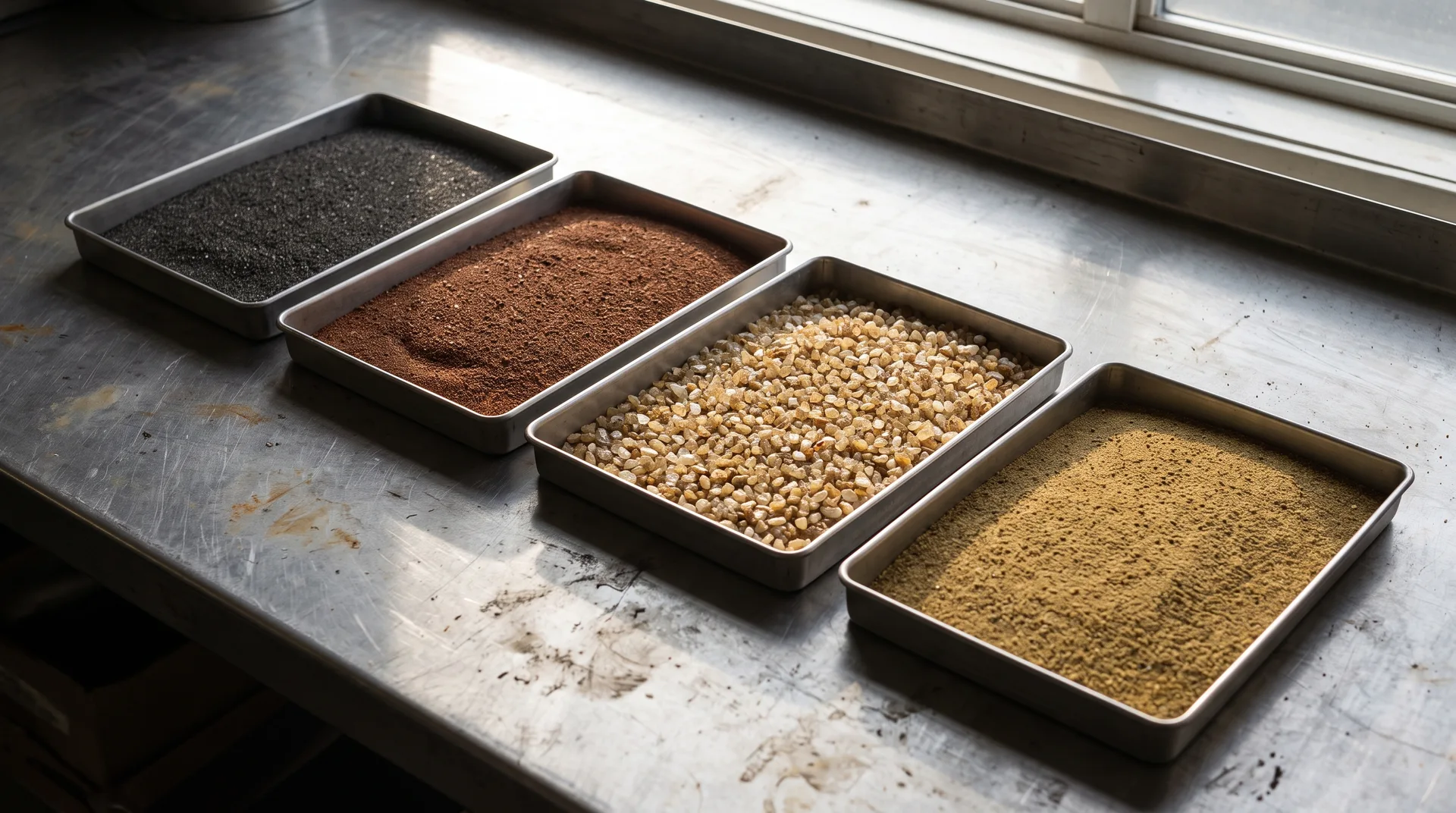 Innovation & TechnologyReconciling a mine that makes four productsCross-listed from Innovation & Technology
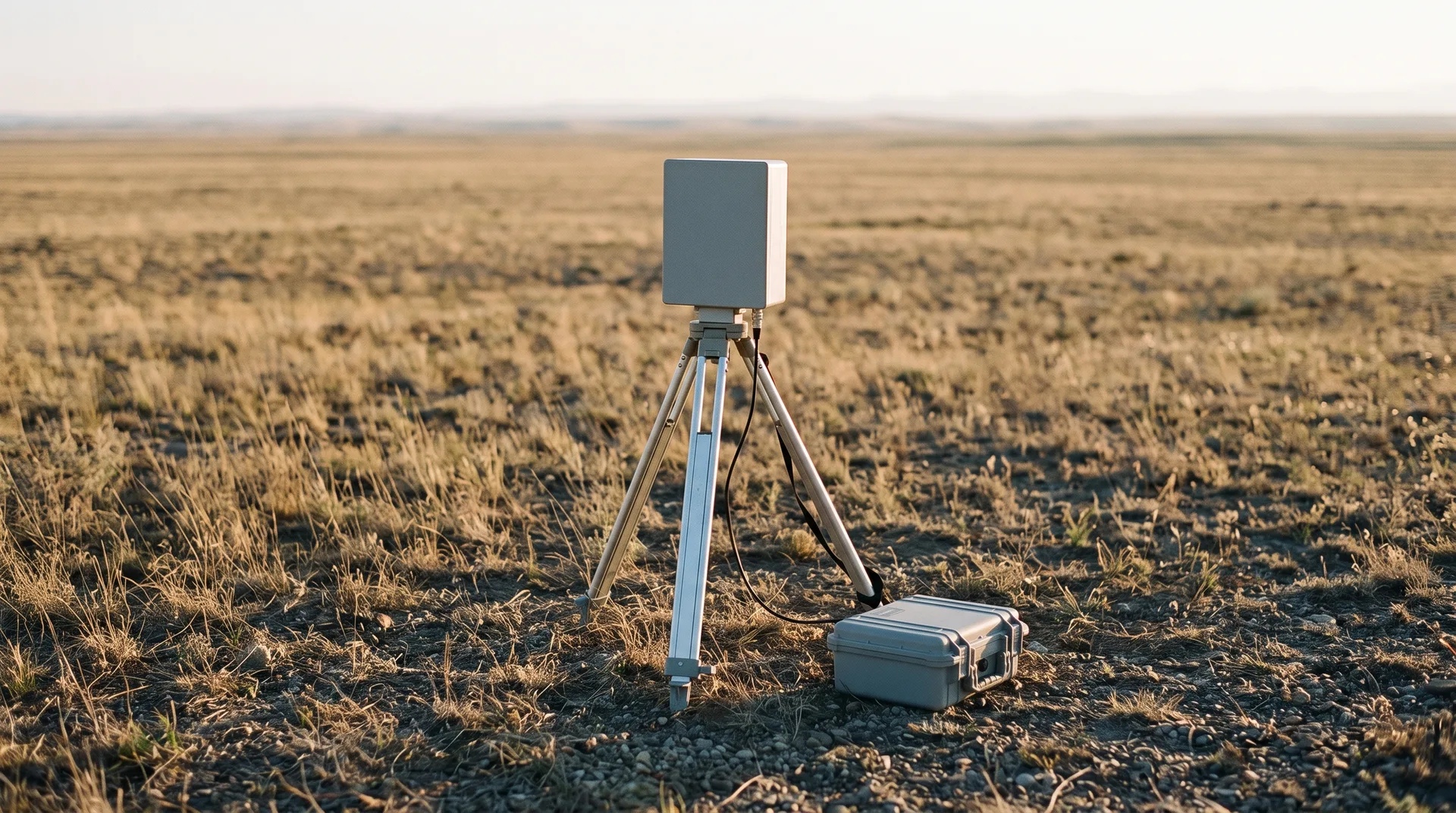 Innovation & TechnologyWhat a thorium channel can and cannot seeCross-listed from Innovation & Technology
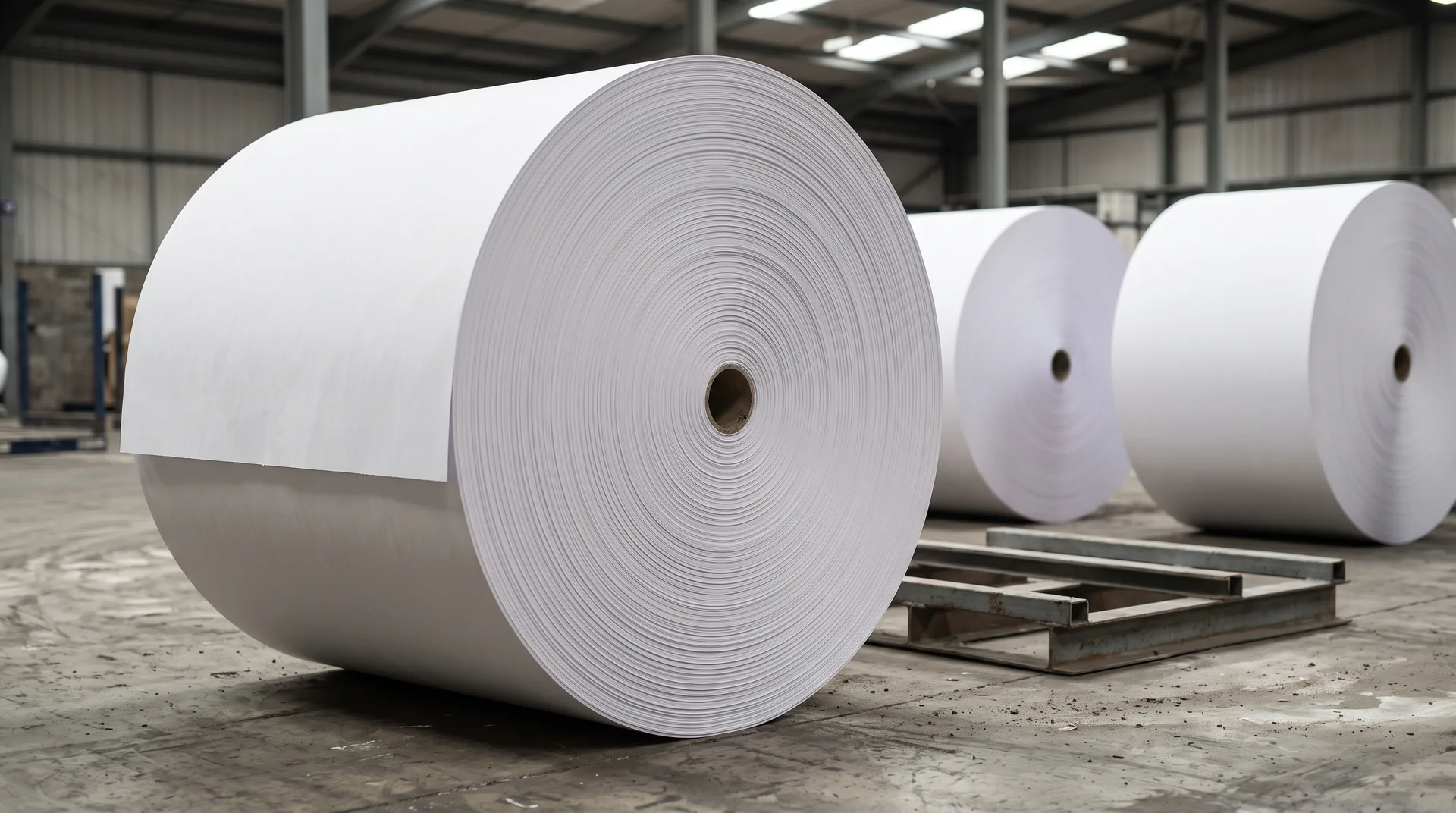 Innovation & TechnologyThe uses you can never recycleCross-listed from Innovation & Technology
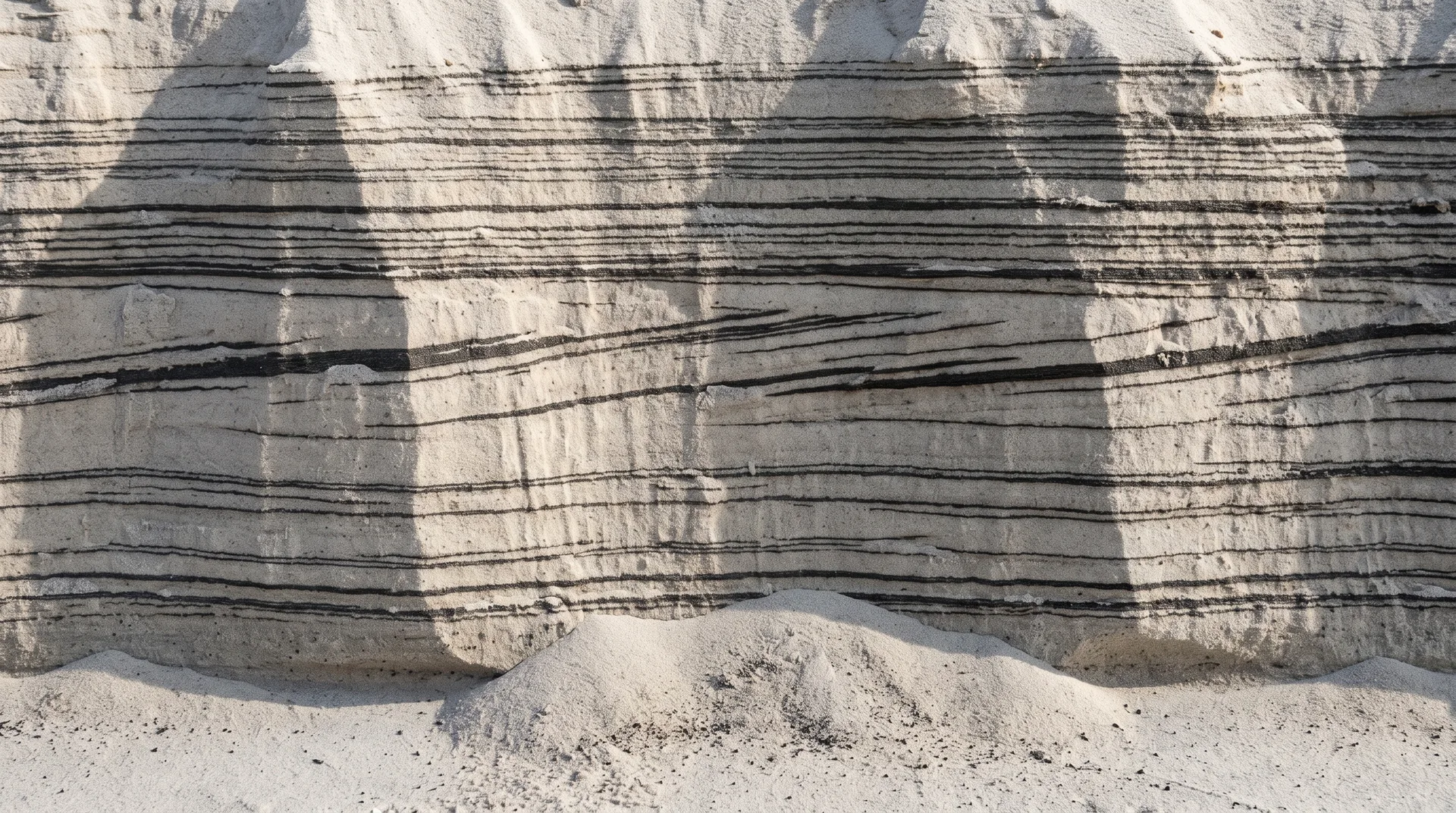 Geography & Supply ChainsA strandline records which way the sea was goingCross-listed from Geography & Supply Chains
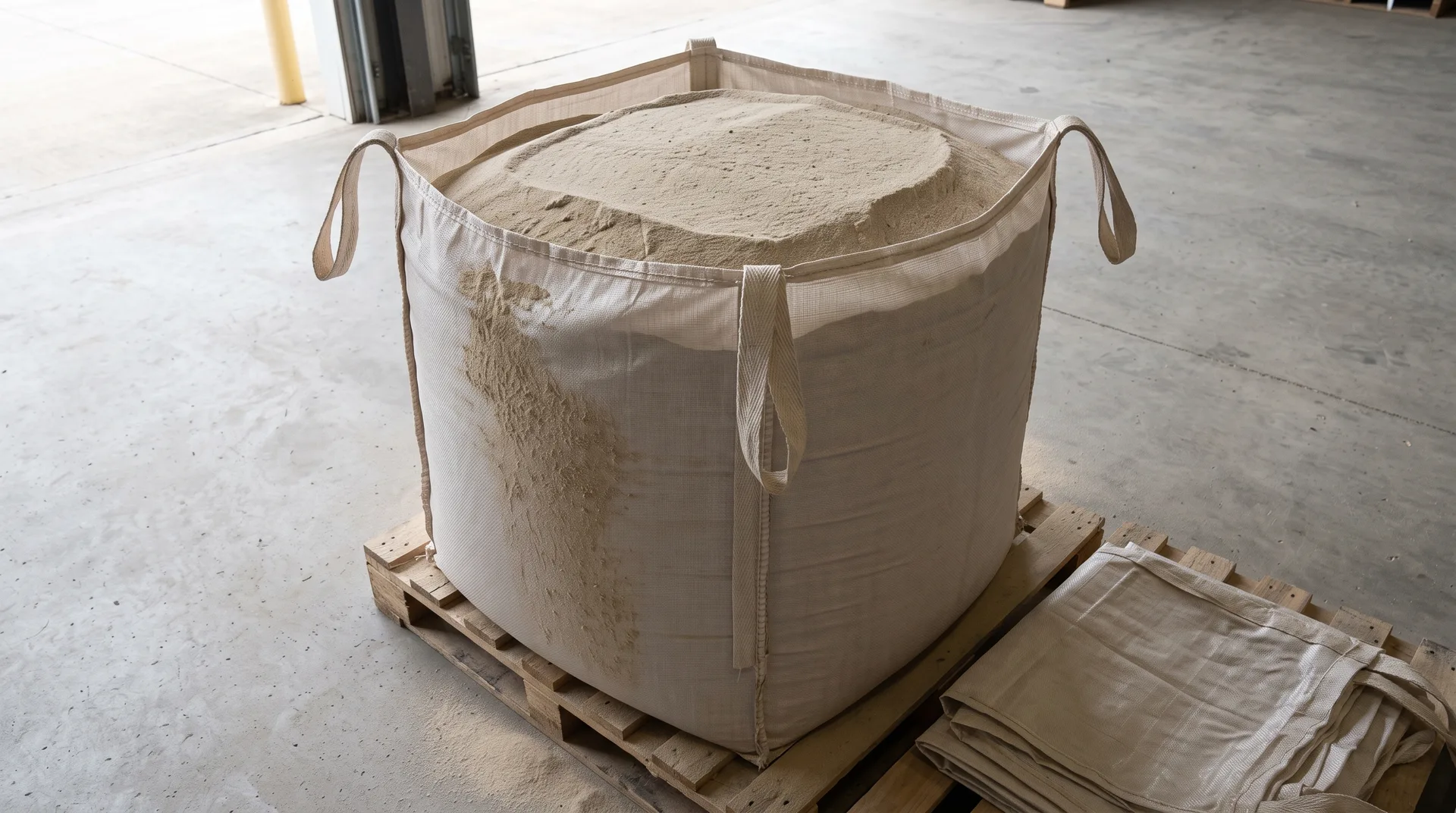 Markets & EconomicsWhat an assessed price is, and what it is notCross-listed from Markets & Economics
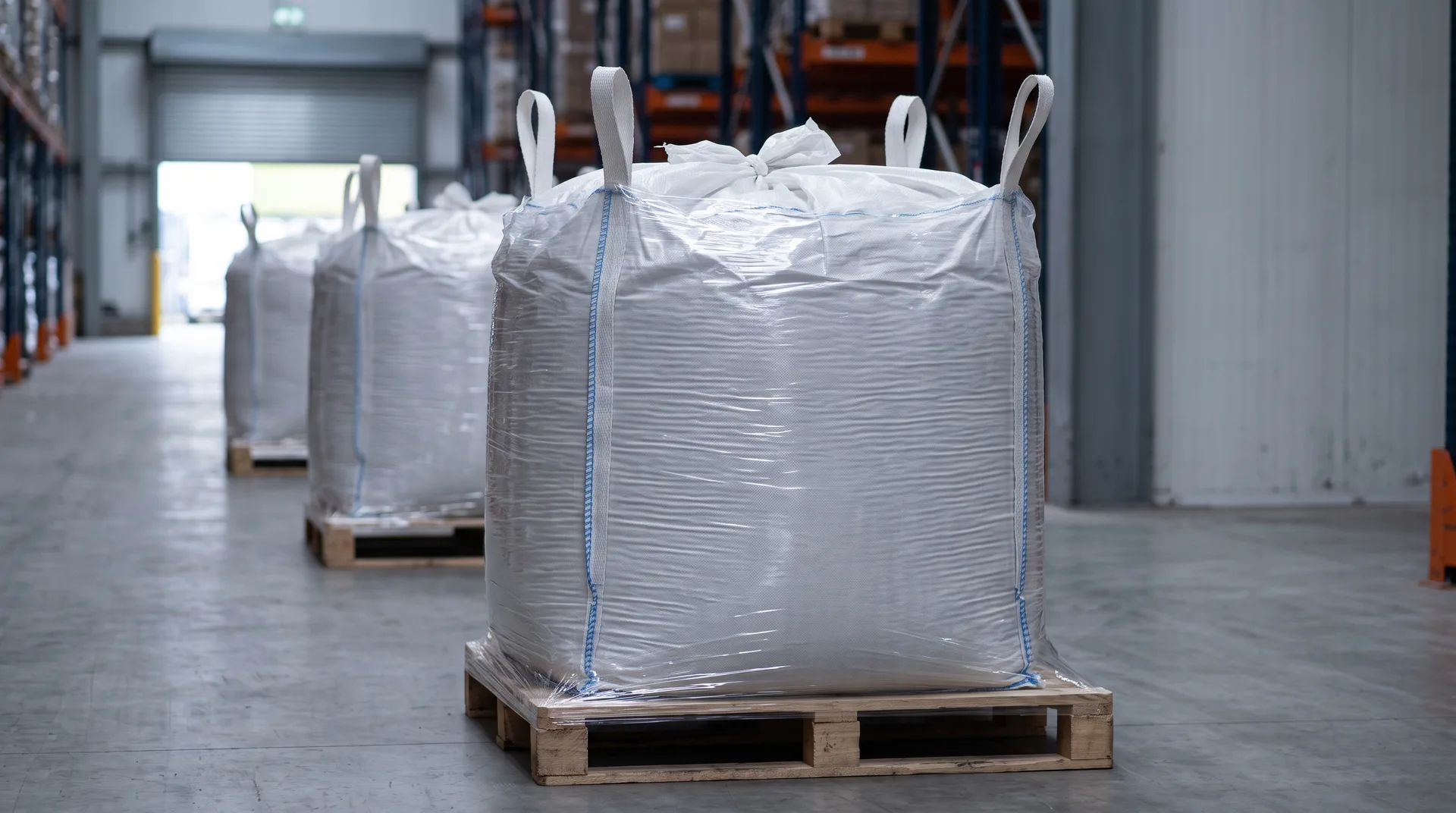 Markets & EconomicsThe customs code decides what your mineral isCross-listed from Markets & Economics
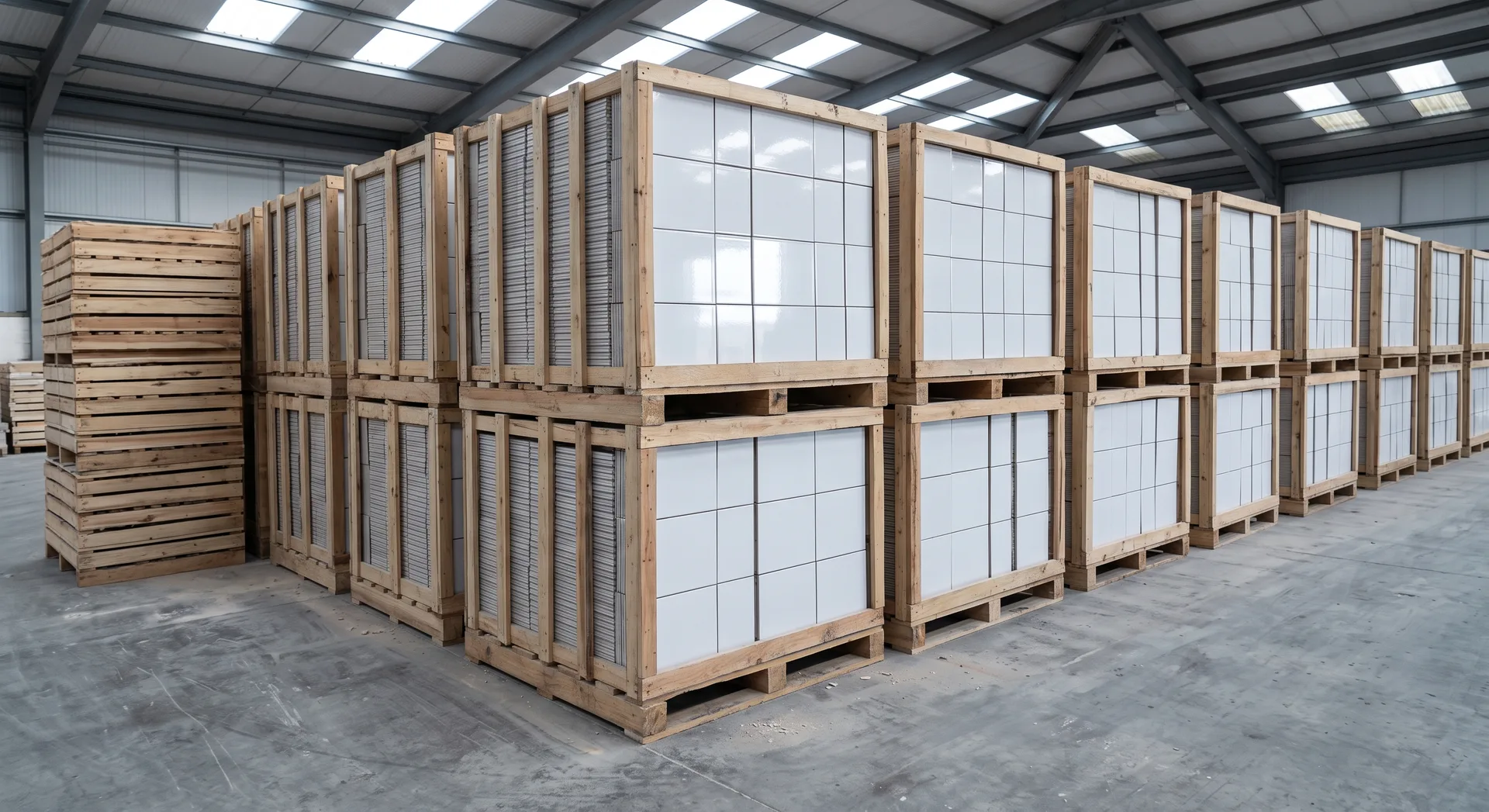 Applications & IndustriesWhy a white tile needs a milled zirconium mineralCross-listed from Applications & Industries
 Applications & IndustriesThe crack that stops itself in a zirconia crownCross-listed from Applications & Industries
 Applications & IndustriesHow a zircon by-product ended up in the transistorCross-listed from Applications & Industries
 Companies & OrganisationsReading a trade body's two kinds of documentCross-listed from Companies & Organisations