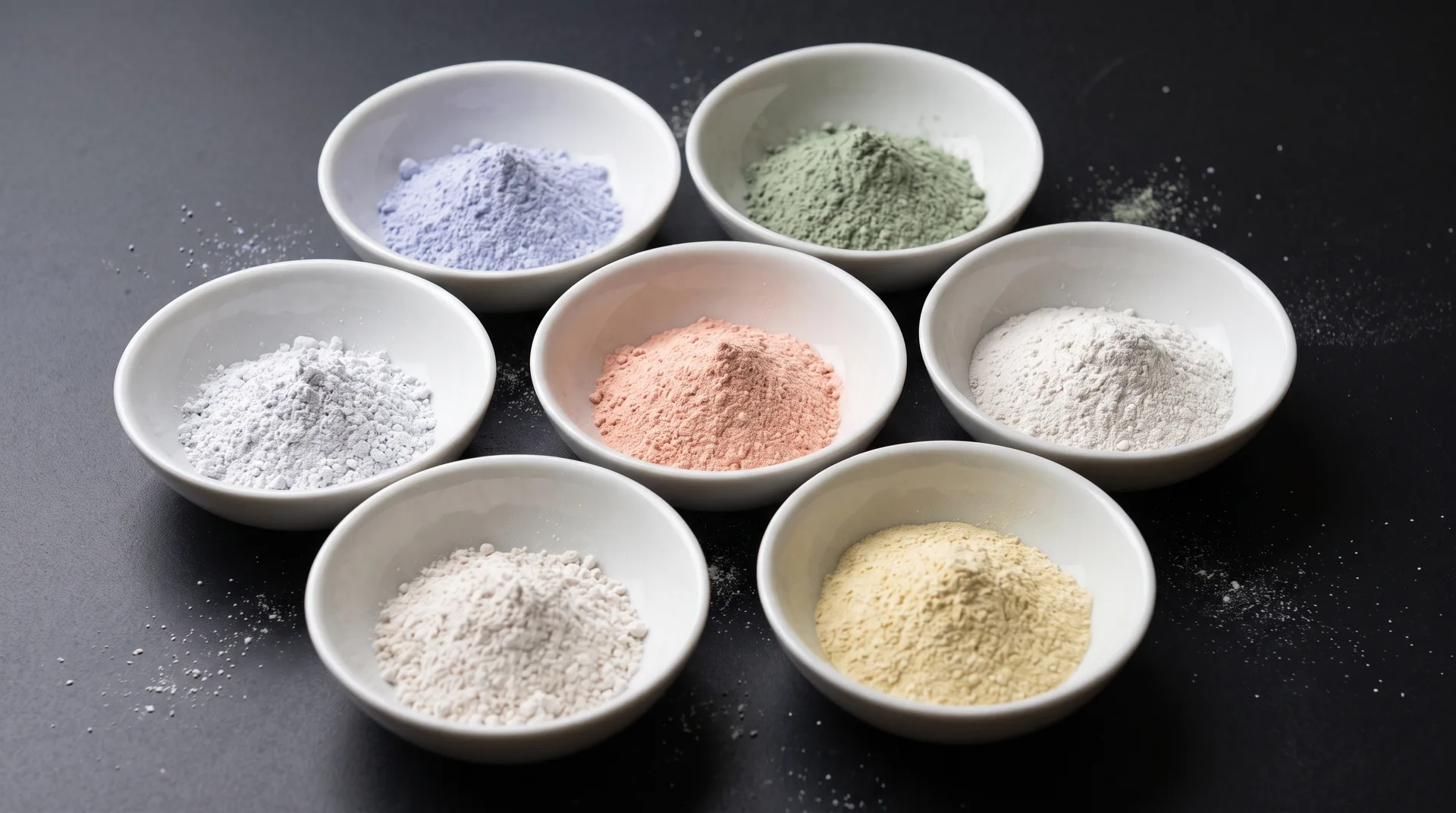
 ASX: OSM · Orión Project
Minerals Hub / Applications & Industries / Electric Vehicles
Applications & Industries · Section 03 of 11
Electric Vehicles
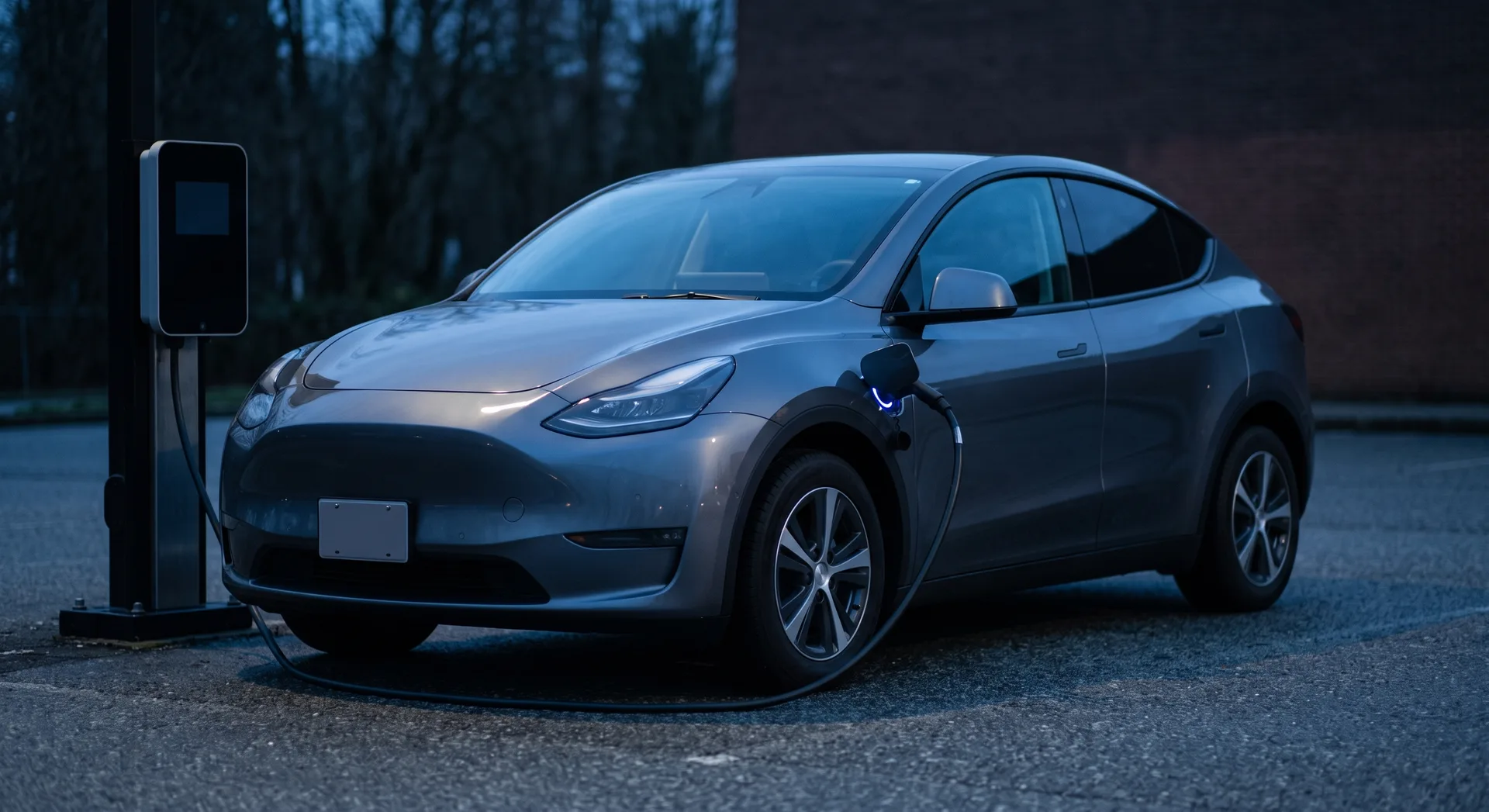
The largest single rare-earth requirement in a modern car sits in its traction motor. Electric vehicles belong in an applications hub for that reason above all others: the shift from combustion to electric drive moves a vehicle's material demand away from what a refinery supplies and toward what a magnet plant does.
Neodymium-iron-boron magnets give a permanent-magnet motor its torque density, and the heavier rare earths — dysprosium and terbium among them — are what keep those magnets working at the temperatures a motor reaches under load. Monazite and xenotime are the minerals in the Orión assemblage that carry both the light and the heavy fractions of that requirement. A second thread runs through silicon. High-purity quartz feeds the polysilicon and crucible supply chains behind power electronics, and silicon-bearing anode materials are an active area of battery development. Titanium enters more modestly, in structures and heat management rather than in the drivetrain.
The demand that matters here is not the same quantity as vehicle sales. Motor architecture decides whether a car needs magnet rare earths at all, since induction and externally excited designs avoid them at a cost in efficiency and packaging. Magnet manufacture is a chokepoint distinct from mining, end-of-life recovery from drive units is a separate question again, and charging and grid equipment add demand that is easy to overlook when counting vehicles.
Rare Earths carries the magnet chain and Silica/HPQ the silicon one. Battery Technology follows the cell chemistry that sits beside the motor, Market Drivers treats vehicle demand as one force among several, and Renewable Energy shares the same magnet supply question from the generation end.