Minerals Hub / Applications & Industries / Why aerospace still can't design titanium out
Applications & Industries · Rutile · 4 min read
Why aerospace still can't design titanium out
Titanium's mix of strength, lightness and heat tolerance keeps it locked into jet engines and airframes — and rutile is the premium mineral that feeds it.
Reviewed by Peter Uppal
The short version
Titanium alloys combine high strength, low weight and tolerance of heat and fatigue, a package no cheaper metal fully matches — which is why they remain essential to aircraft engines and airframes (Thomasnet). Rutile is the premium natural feedstock for titanium because it carries far more titanium dioxide and fewer impurities than ilmenite (USGS 2025). Osmond describes Orión as rutile-dominant, with bulk channel samples grading 13.36–13.49% rutile (osm_grade) — an exploration result, not a resource. Mineral percentages here are mass-balance estimates — calculated from oxide assays rather than directly measured — and that basis applies to every mineral percentage in this article.
The properties you can't engineer away
Every few years someone predicts a material that will finally displace titanium from aircraft. It hasn't happened, and the reason is a combination of properties that are hard to find together in one metal.
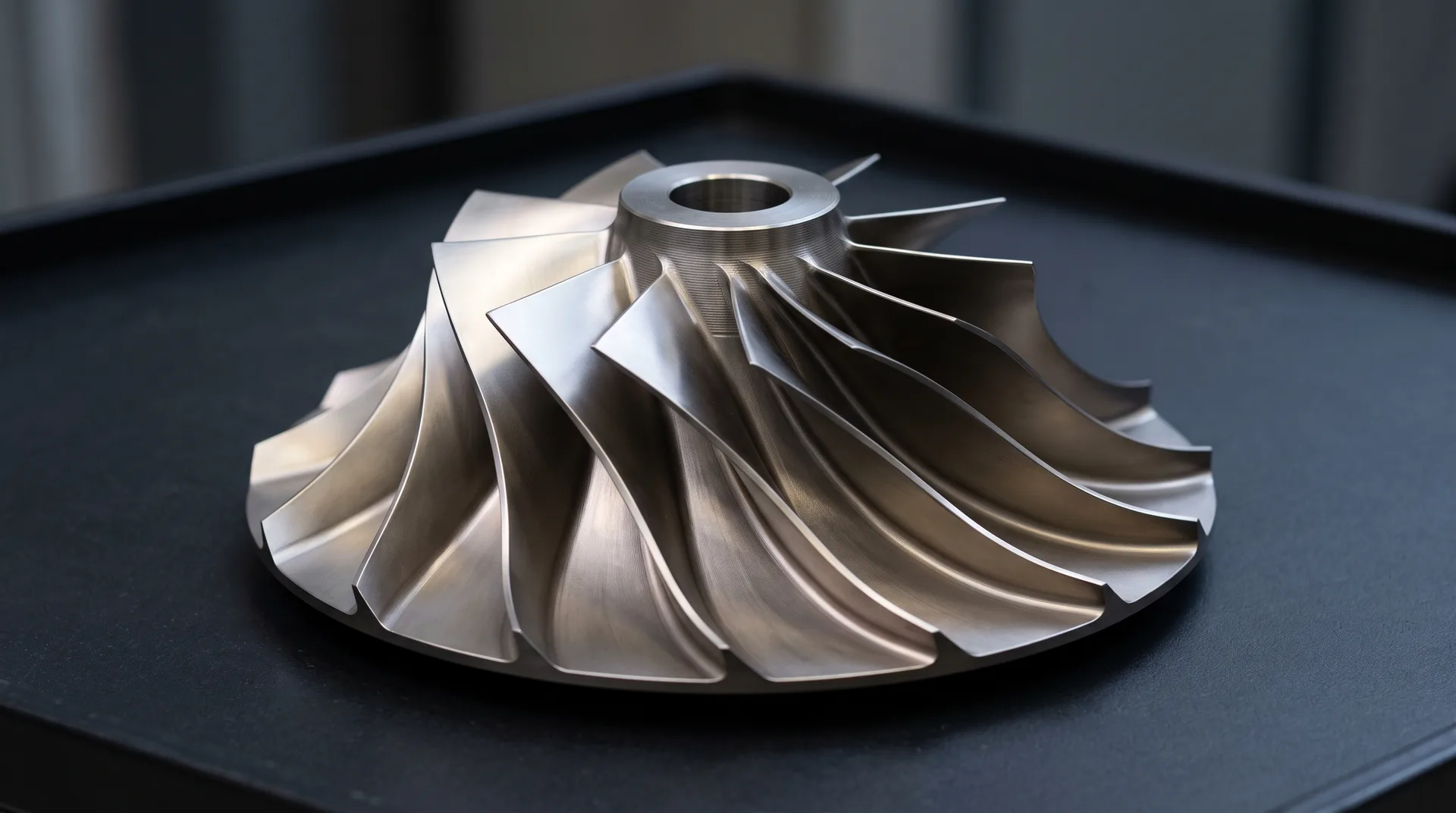
As general background from public engineering sources — not Osmond disclosures — titanium is roughly as strong as steel but around 45% lighter, and it holds that strength at temperatures that would soften aluminium. It also resists fatigue and corrosion, which matters for parts that flex millions of times over decades of service (Thomasnet). The workhorse alloy, Ti-6Al-4V, dominates both airframe and jet-engine use.
That translates into real tonnage on real aircraft. Titanium appears in turbine disks and compressor blades in the hot sections of jet engines, and in highly loaded airframe structures; on a modern widebody such as the Boeing 787 it makes up roughly 15% of the structural weight (Thomasnet). Designers reach for it not because it is cheap — it isn't — but because at those duty cycles and temperatures the alternatives don't survive.
Why rutile, not just any titanium mineral
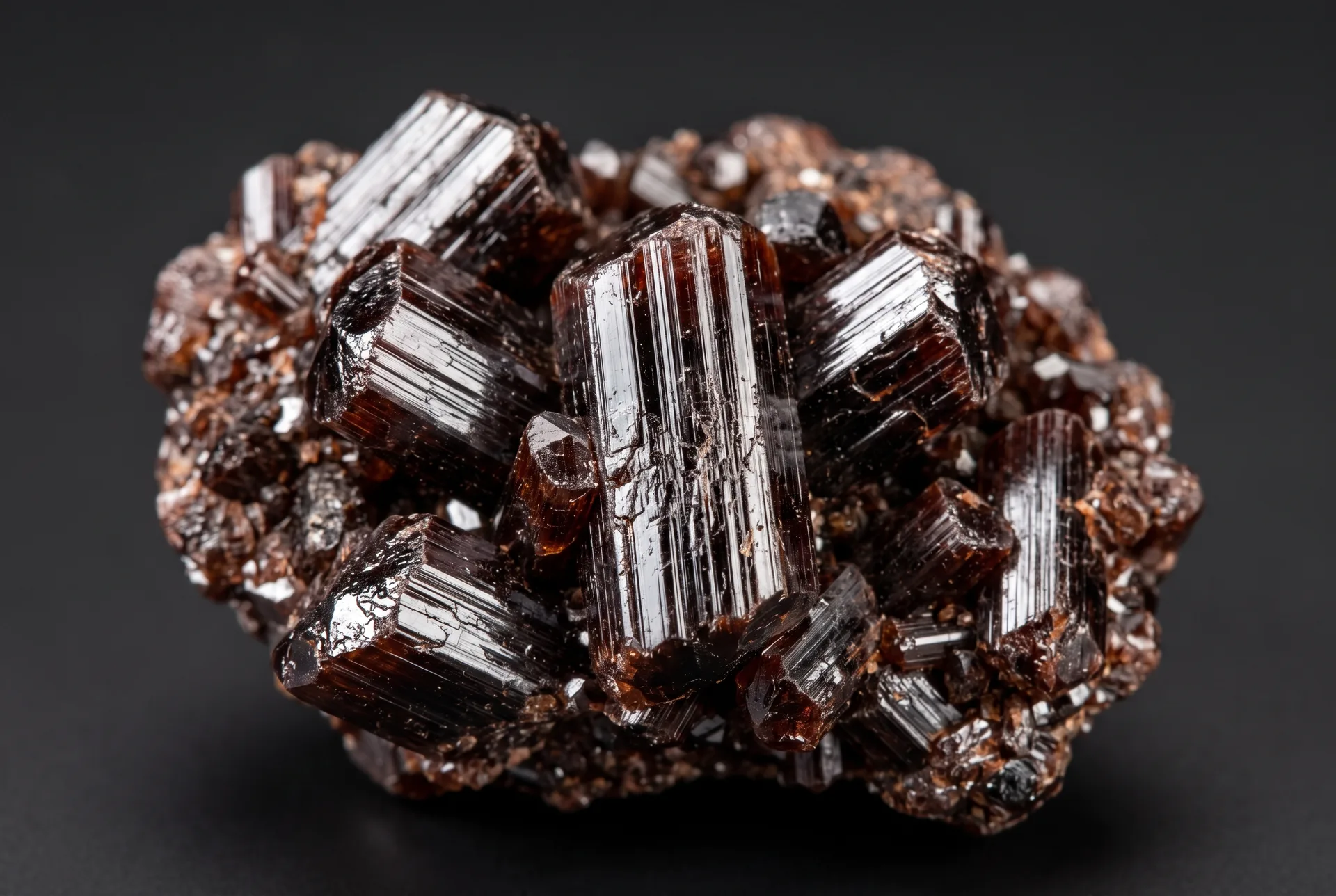
Here is where the mineral choice matters. Titanium doesn't come out of the ground as metal; it comes as titanium-bearing minerals that have to be processed into feedstock and then reduced. And not all titanium minerals are equal.
Natural rutile is a naturally occurring, high-temperature form of titanium dioxide and typically runs about 95% TiO₂, the balance being impurity oxides. Ilmenite, the more abundant titanium mineral, ranges from 35% to 65% TiO₂, with more iron and other impurities (USGS Minerals Yearbook). Because rutile starts closer to pure titanium dioxide, it is the preferred, premium feedstock for the chloride route that produces high-purity titanium products, with fewer impurities to strip out along the way (USGS 2025). Natural high-grade rutile is comparatively scarce, which is exactly why a rutile-rich deposit draws attention.
Rutile's premium comes from where it starts: closer to pure titanium dioxide than any other common mineral.
Where Orión fits — carefully stated
This is a general explainer, so a boundary is important: nothing here says Orión will supply aerospace, and Osmond has made no such claim. What Osmond has reported is mineralogical.
Osmond describes Orión as rutile-dominant, with rutile outweighing ilmenite in the assemblage by roughly two to one or more. In the Zone 1 bulk channel samples, rutile runs 13.36% to 13.49% (osm_grade, mass-balance). On the processing side, Osmond says its initial titanium product is a mixed titanium concentrate with a high rutile content, with dedicated titanium testwork ongoing and preliminary results expected in Q2 CY26 (osm_zircon) — a window that has since closed without a further result release cited here.
Those are the facts in the releases, and they stop there. Whether that rutile could be upgraded to a feedstock suitable for pigment, titanium metal, or any specific end use is a question the metallurgical testwork — not this article — will answer. The broader point stands on its own: rutile matters because titanium matters, and titanium remains, for now, something aerospace cannot design out.
Orión data card — Rutile
| Status | Assayed / quantified |
| Bulk channel samples | Rutile 13.36–13.49% (osm_grade, mass-balance) |
| Assemblage | Rutile-dominant; rutile:ilmenite ≈ 2:1+ (osm_grade) |
| Processing | Mixed titanium concentrate, high rutile content; Ti testwork ongoing, preliminary results Q2 CY26 (osm_zircon) |
| Why rutile (general) | Natural rutile ~95% TiO₂ vs ilmenite's 35–65%; premium feedstock, fewer impurities (USGS Minerals Yearbook) |
→ See the full Rutile dossier in the mineral hub.
Exploration results and mineralogical estimates only. Orión has no JORC-compliant Mineral Resource or Reserve; maiden MRE and Scoping Study pending, targeted Q3 CY26.
Sources
- Osmond figures: [osm_grade — 19 Feb 2026], [osm_zircon — 3 Mar 2026] (ASX:OSM releases)
- USGS Mineral Commodity Summaries 2025 — Titanium Minerals
- Thomasnet — Titanium in Aerospace
Related reading
- From outcrop to 187.8 metres: what the maiden drilling found (The Deposit · Rutile)
- Rutile vs ilmenite: why the split matters (Science · Rutile, Ilmenite)
- The white in everything: ilmenite and TiO₂ pigment (Applications · Ilmenite)
Sources
- PRIMARYosm_grade — ASX:OSM release, 19 Feb 2026, 'High-Grade Assay Results Confirm Potential Scale at Orión' (bulk-sample rutile grades Table 3).
- PRIMARYosm_zircon — ASX:OSM release, 3 Mar 2026, 'Preliminary Mineral Processing Testwork Delivers Strong Zircon and Monazite Results' (mixed titanium concentrate with high rutile content; Ti testwork ongoing, p.4).
- PRIMARYUSGS Mineral Commodity Summaries 2025 — Titanium Minerals (feedstock TiO₂ content of rutile vs ilmenite; feedstock uses): https://pubs.usgs.gov/periodicals/mcs2025/mcs2025-titanium-minerals.pdf
- SECONDARYThomasnet, 'Titanium in Aerospace: Advantages, Applications, and Manufacturing' (aerospace properties and usage; Ti-6Al-4V; Boeing 787 share)