Minerals Hub / Markets & Economics / Why co-products change mineral-sands economics
Markets & Economics · Zircon · 4 min read
Why co-products change mineral-sands economics
One ore stream, several saleable minerals — in mineral sands, the mix of co-products shapes the economics of the category. Here's how, in general terms.
Reviewed by Peter Uppal
The short version
Mineral-sands deposits usually yield several saleable minerals from a single ore stream — titanium minerals (rutile, ilmenite), zircon, and sometimes monazite for rare earths — plus minor co-products such as hafnium, which is recovered as a by-product of zirconium (USGS). In the industry, that assemblage matters because one mining-and-processing flow can serve several markets at once (Iluka). This article explains that category logic. It does not, and cannot, say what it means for Orión, which has no resource or economic study yet.
One feed, several products
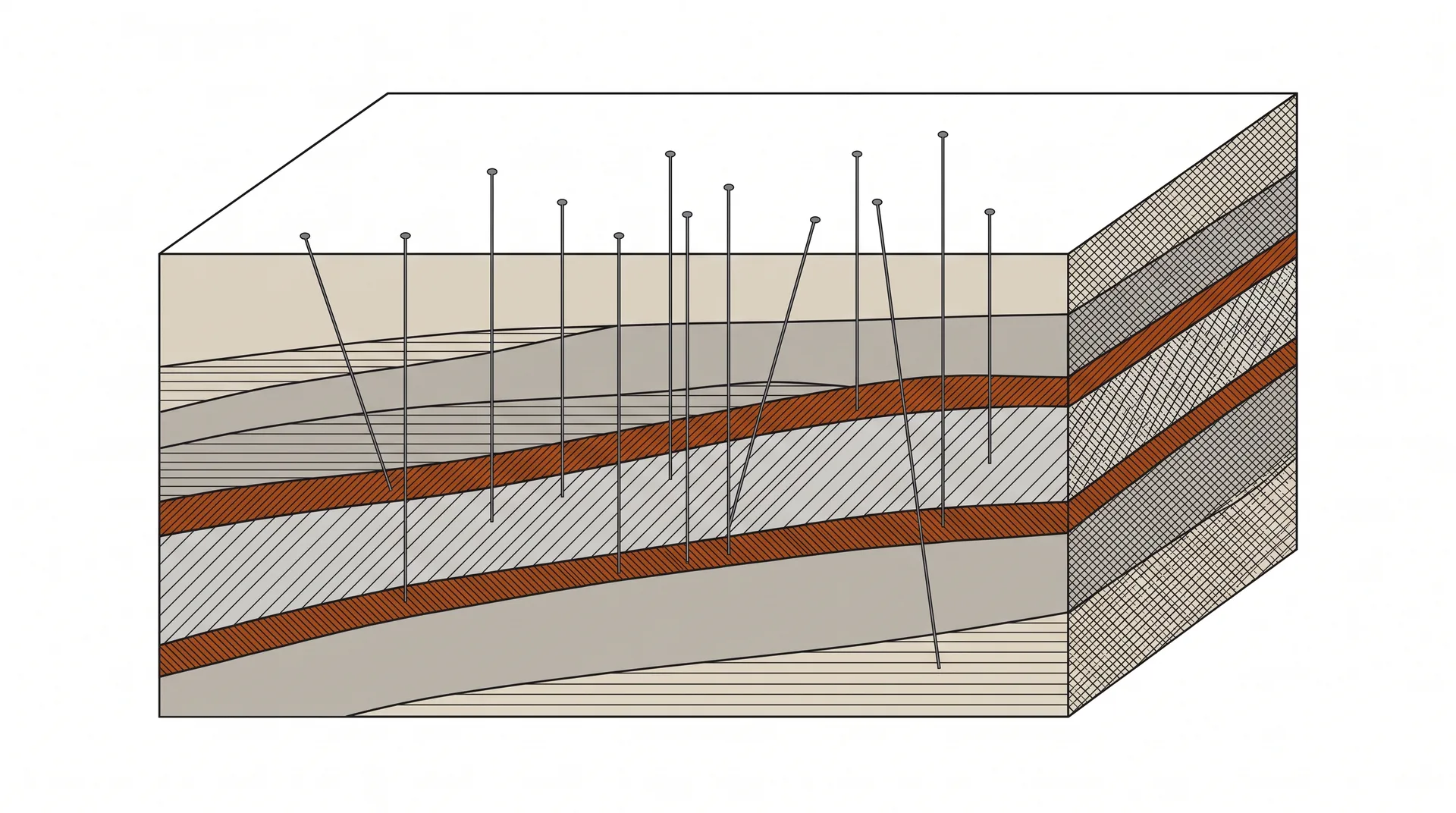
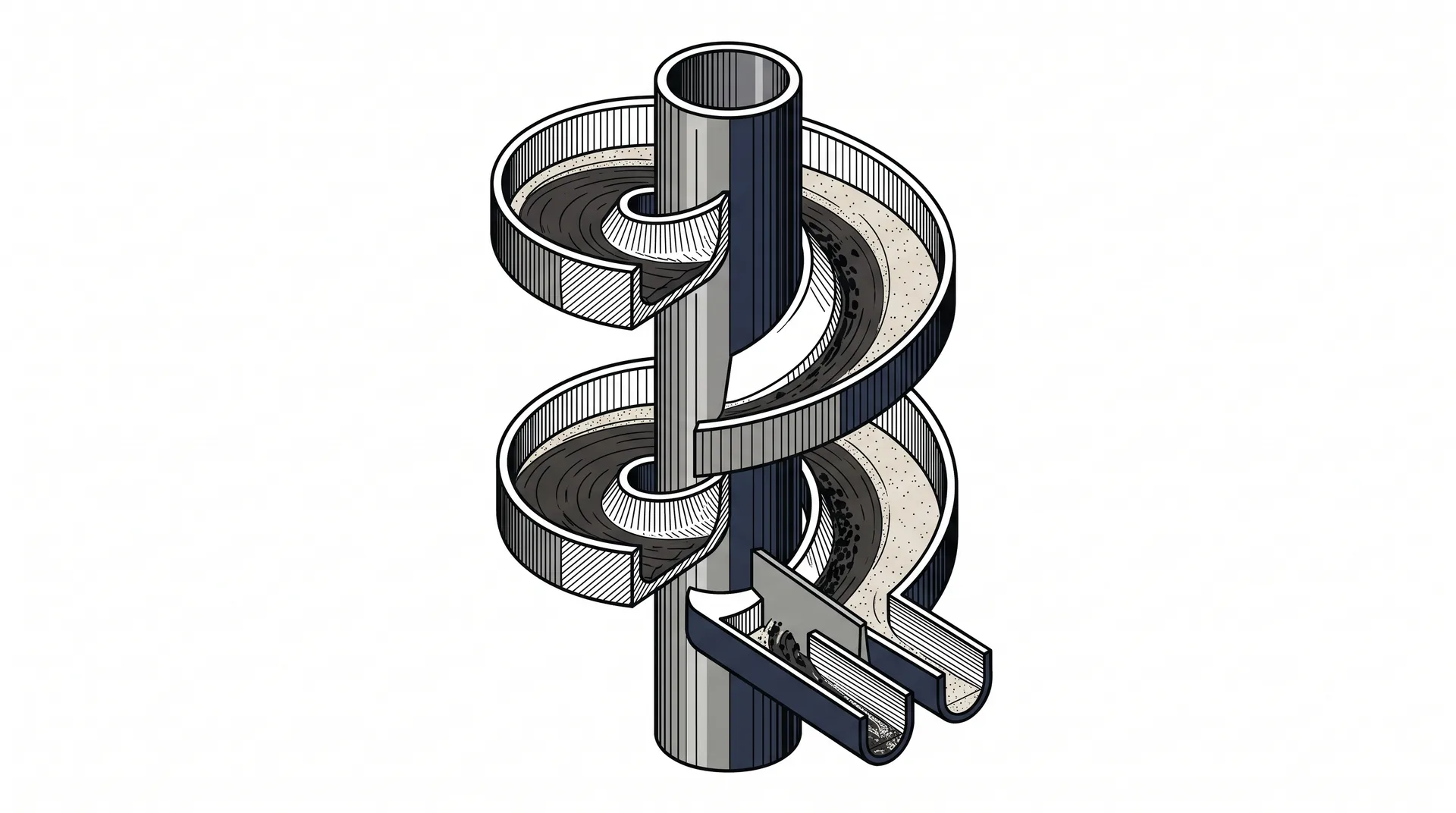
A mineral-sands operation is unusual among mines in that it rarely sells just one thing. The same heavy-mineral concentrate can be separated into titanium minerals — rutile and ilmenite, feedstocks for pigment and titanium metal — and zircon, used mainly in ceramics; and where the deposit carries it, monazite, an ore of rare earths (Iluka). Several products, one orebody, one processing chain.
That structure is the starting point for the category's economics. When you have already paid to mine and process the sand, each additional saleable mineral in the mix arrives without the cost of a separate mine behind it. The minerals share the same upstream.
Why the mix matters
In mineral sands, industry analysis emphasises that the assemblage — the relative proportions of the different minerals — strongly influences a deposit's viability, and does so mainly through revenue-to-cost (margin) characteristics rather than cash cost alone (Iluka). In plain terms: two deposits can cost a similar amount to mine, but the one whose mix includes more high-value minerals has a different economic profile.
Zircon is the classic example. It typically makes up a relatively small share of a heavy-mineral deposit, yet it carries a relatively high value, so it can contribute out of proportion to its tonnage (Zircon Industry Association). Monazite adds another dimension: because it is an ore of rare earths, a monazite-bearing mineral-sands deposit can, in principle, open a second revenue stream into an entirely different market — one that has drawn established producers toward rare earths (Iluka). The general point is that co-products can change the economics of the primary product by spreading cost across several revenue lines and several markets.
In mineral sands, the rock is rarely one product. The economics of the category live in the mix, not any single mineral.
Hafnium: the co-product's co-product
Some co-products are smaller still, and hafnium is the neat illustration. Hafnium is not mined on its own; the USGS notes it "is produced as a byproduct of hafnium-free zirconium metal" — it is recovered when zirconium is refined (USGS). So a zircon stream can, in principle, carry a hafnium credit further downstream, a co-product hanging off a co-product.
That nesting is part of why the category's economics are described at the level of the assemblage rather than any one mineral: value can sit in the major titanium minerals, in the higher-priced zircon, in a monazite rare-earth stream, and in trace by-products that ride along with them.
Where Orión sits — the assemblage, and only that
Applied to Orión, the discipline of this hub is absolute: the category logic above is general, and Orión has no resource and no economic study, so nothing here is a statement about Orión's economics.
What can be said is only the sourced composition. Osmond reports Orión's economic minerals as rutile, ilmenite, zircon and monazite — the full mineral-sands assemblage — in one deposit (osm_grade), and its preliminary testwork produced separate zircon and monazite concentrates from the same feed (osm_zircon). Hafnium is reported as HfO₂ in the zircon-bearing samples; its presence within zircon is settled mineralogy, while the commercial co-product reading is our analysis, not Osmond's wording.
That assemblage is exactly the kind the category logic describes. Whether it adds up to a viable project is what a resource estimate and a Scoping Study will test; until they exist, the economics of co-products stay a general truth about the category — a real one — not an Orión number.
Category card — mineral-sands co-products
| Typical products from one feed | Titanium minerals (rutile, ilmenite), zircon, sometimes monazite (rare earths) (Iluka) |
| Why the mix matters | Assemblage drives viability via revenue-to-cost (margin), not cash cost alone (Iluka) |
| Zircon | Small share of tonnage, relatively high value (ZIA) |
| Hafnium | By-product of zirconium refining (USGS) |
| Orión (sourced facts only) | Assemblage = rutile, ilmenite, zircon, monazite; HfO₂ in zircon-bearing samples. No resource, no economic study — no economics stated |
→ See the Orión project overview in the hub.
Exploration results and mineralogical estimates only. Orión has no JORC-compliant Mineral Resource or Reserve; maiden MRE and Scoping Study pending, targeted Q3 CY26.
Sources
- Osmond figures: [osm_grade — 19 Feb 2026], [osm_zircon — 3 Mar 2026] (ASX:OSM releases)
- Iluka Resources — Mineral Sands Industry Information
- Zircon Industry Association — Mineral Sands Industry Factbook.pdf)
- USGS Mineral Commodity Summaries — Zirconium and Hafnium
Related reading
- Europe makes the world's hafnium. It just can't dig it. (Supply & the EU · Hafnium)
- From 50.2% to premium: the zircon target (Science · Zircon)
- How to read an early-stage mineral-sands explorer (Investment)
Sources
- PRIMARYosm_grade — ASX:OSM release, 19 Feb 2026 (Orión assemblage: rutile, ilmenite, zircon, monazite; bulk-sample HfO₂ in zircon-bearing samples).
- PRIMARYosm_zircon — ASX:OSM release, 3 Mar 2026 (preliminary zircon and monazite concentrates from one feed).
- SECONDARYIluka Resources, 'Mineral Sands Industry Information' — assemblage of titanium minerals, zircon and monazite from mineral-sands deposits; assemblage and its influence on project viability: https://www.iluka.com/media/41fcyzqo/mineral-sands-industry-information-nov19.pdf
- SECONDARYIluka Resources, 'Mineral Sands Industry Factbook' (publisher corrected from ZIA, 15 Aug) — zircon as a co-product with relatively high value: https://www.zircon-association.org/assets/files/KnowledgeBank/the-mineral-sands-industry-factbook-(feb-2014).pdf
- PRIMARYUSGS Mineral Commodity Summaries — Zirconium and Hafnium: hafnium metal 'is produced as a byproduct of hafnium-free zirconium metal': https://pubs.usgs.gov/periodicals/mcs2025/mcs2025-zirconium-hafnium.pdf