 ASX: OSM · Orión Project
Minerals Hub / Sustainability / Environmental Management
Sustainability · Section 01 of 09
Environmental Management
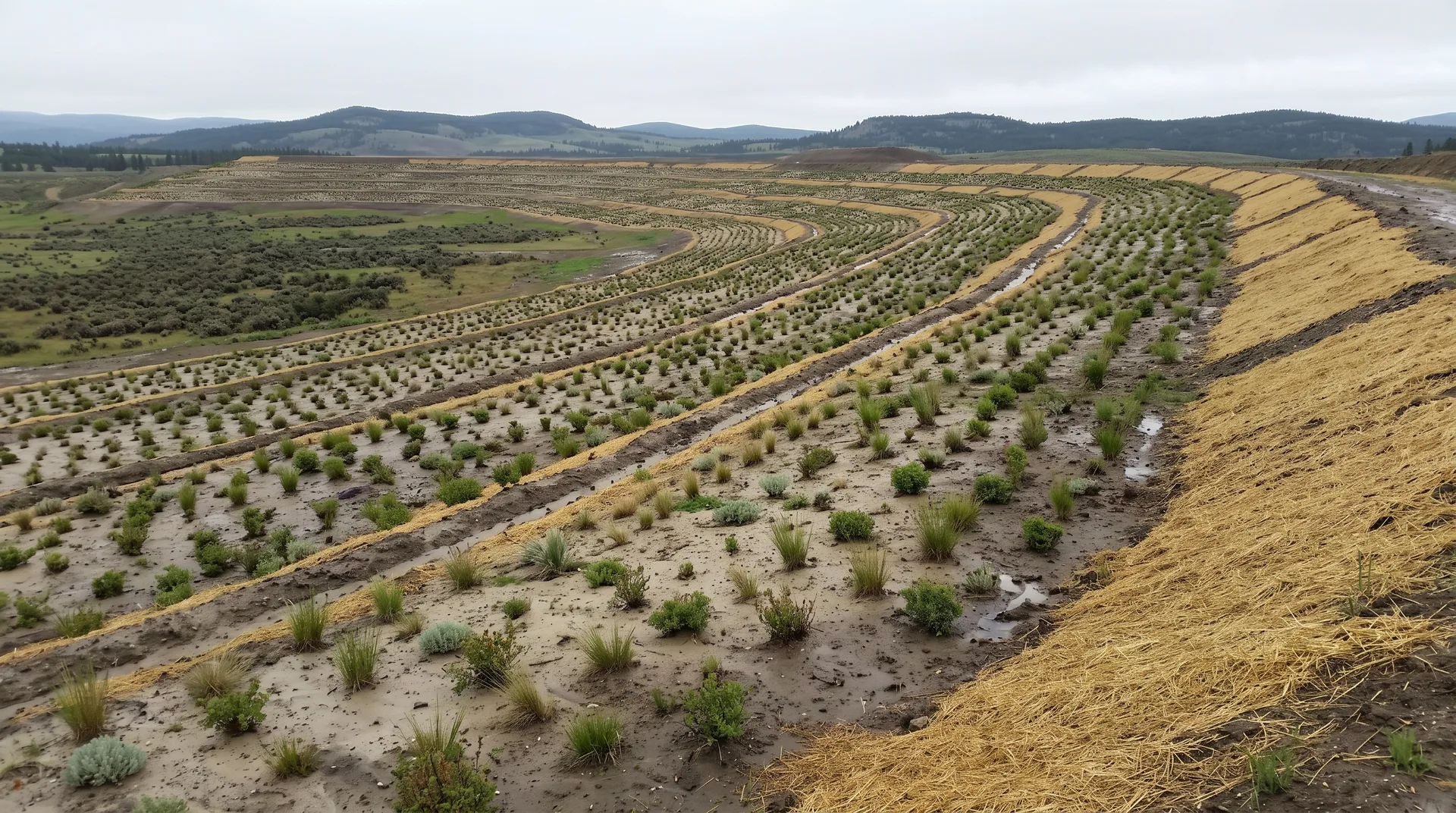
A mineral-sands operation disturbs a wide, shallow footprint rather than a deep one, and that shape governs almost everything about how it is managed. Ground is opened, worked and closed in sequence rather than all at once, which makes environmental management less a matter of containing one large excavation than of running the same set of controls repeatedly across moving ground. Those controls are the substance of the subject: what is monitored, what is contained, and what a regulator requires to be demonstrated.
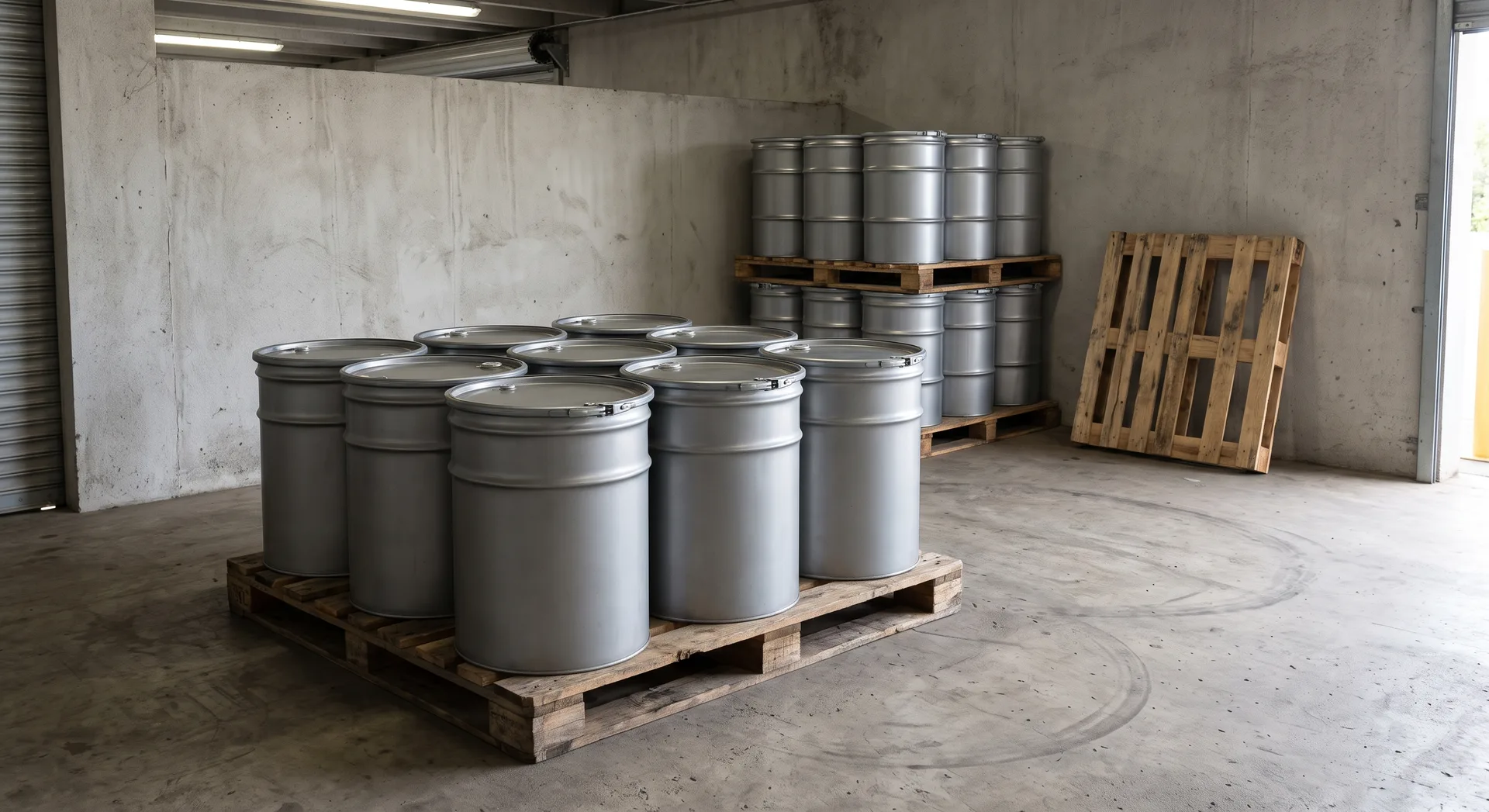
Two features of this mineral assemblage give the subject its particular shape. The first is dust, because the material is fine, dry for much of the year in southern Spain, and handled repeatedly. The second is naturally occurring radioactivity: monazite carries thorium, and any operation that concentrates it must handle, store and account for that concentration under rules written specifically for such material. Neither issue is exotic — both are routine, understood and regulated — but both need saying plainly, because a page on environmental management that omits the radiological question would be describing a different deposit type. Water management, residue storage and progressive rehabilitation complete the picture.
The management systems are describable in a way outcomes are not: baseline studies that establish what was there before anything was disturbed, monitoring designed so that a change can be attributed rather than merely observed, and the European and Spanish permitting framework that determines what an operator must prove and when. A commitment made in an assessment and a performance verified afterwards are different things, and the distance between them runs through the whole subject.
Rehabilitation under Mining & Production continues where site management ends. Water takes up the resource in most contention locally, Responsible Mining the standards against which practice is judged, Regulation the legal architecture behind the permits, and Rare Earths the mineral chemistry behind the radiological controls described here.