 ASX: OSM · Orión Project
Minerals Hub / Sustainability / Water
Sustainability · Section 02 of 09
Water
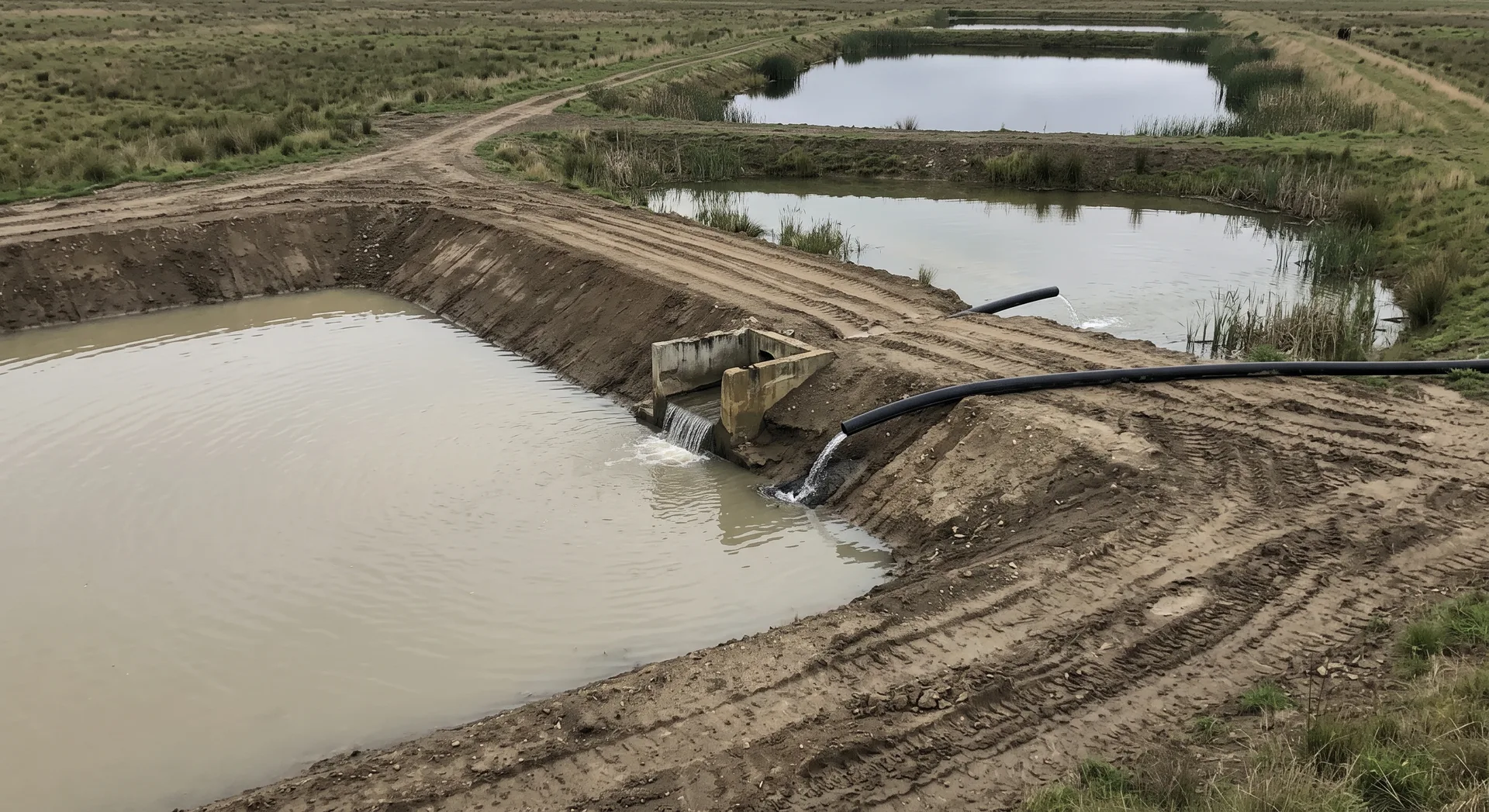
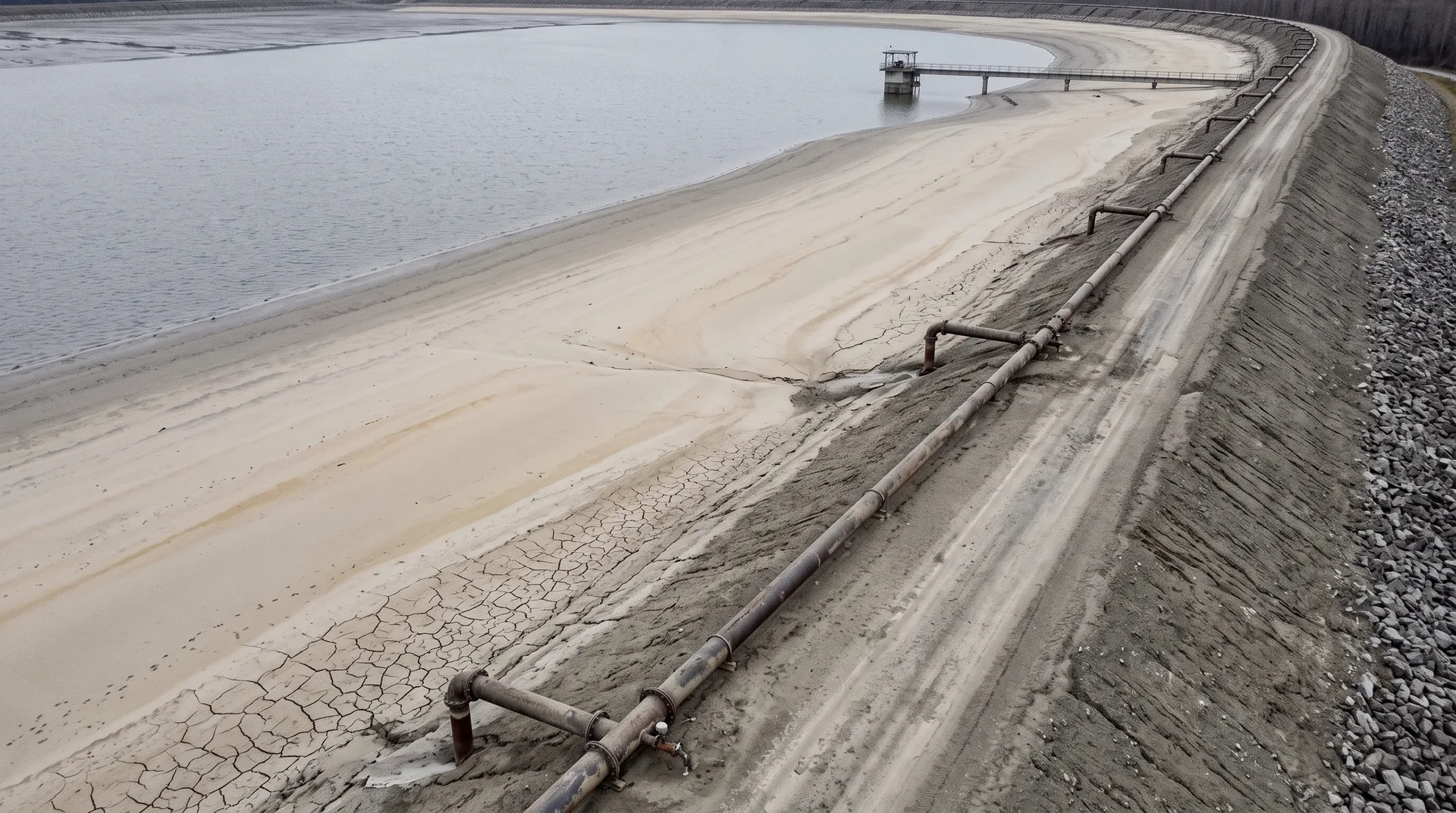
Southern Spain does not have water to spare, and any minerals project there is proposed into that fact rather than alongside it. Water is where a heavy-mineral operation meets its most locally scrutinised constraint, because the conventional route to separating these minerals is a wet one and the agriculture that surrounds candidate ground in the Spanish interior has a prior and continuing claim on the same resource.
The technical picture is more open than it first appears, which is why the subject deserves its own page rather than a paragraph elsewhere. Gravity separation of heavy minerals is done in water, but that water can be recirculated within a closed circuit, and the losses that matter are those to evaporation, to entrainment in tailings and to seepage rather than the volume nominally in use at any moment. Dry processing routes exist for parts of the flowsheet and change the arithmetic where they can be applied. Downstream, the chemical separation of rare earths and the refining of zirconium are more water-quality-sensitive than water-hungry, which is a different problem again.
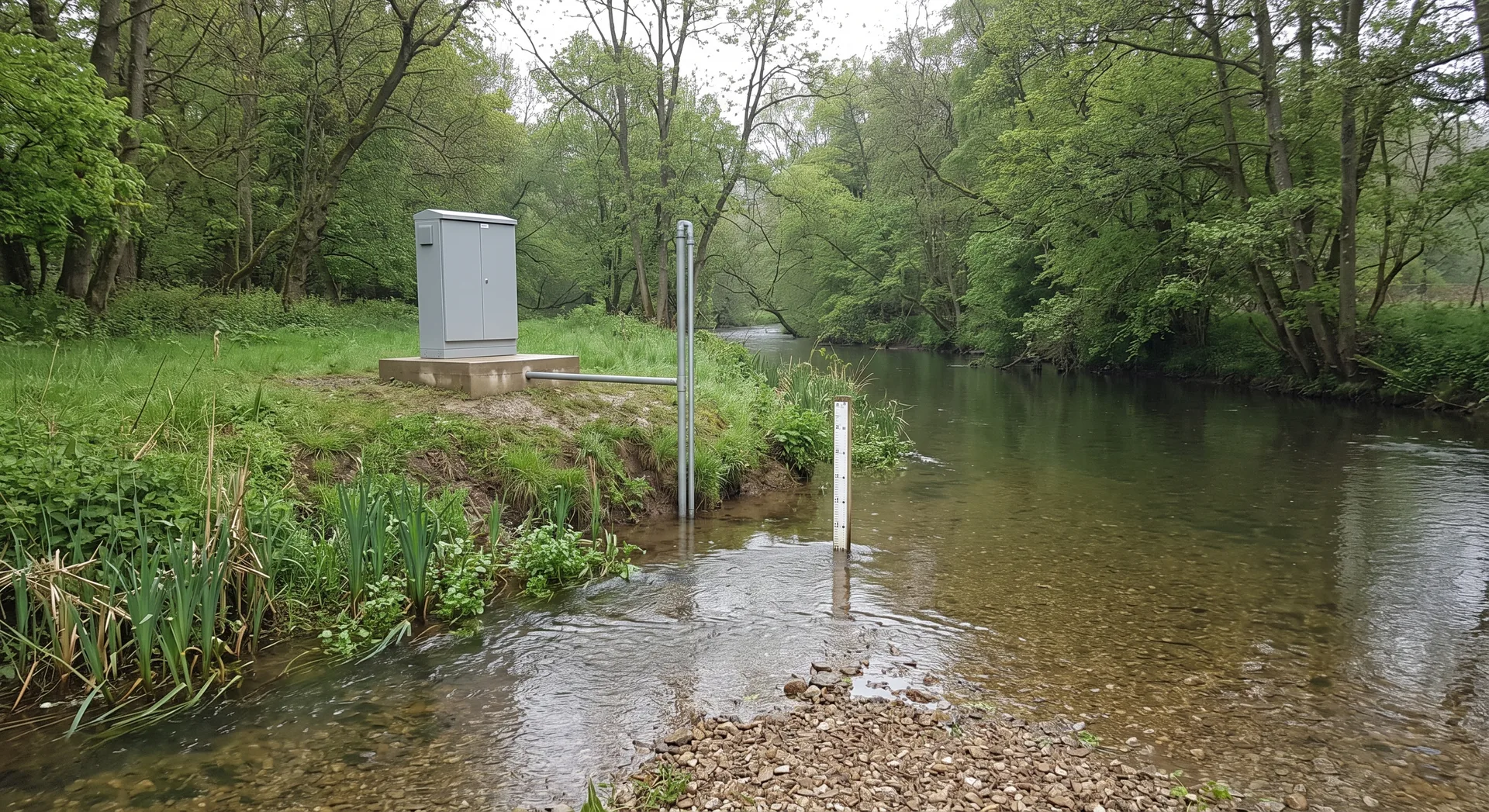
A water account for such an operation is built from sources, recirculation, consumptive loss and discharge, and a headline abstraction figure misleads badly where recirculation is high. Around that account sit groundwater and surface-water protection, discharge quality standards, drought-year sensitivity, and the reporting frameworks that let one operation's water performance be compared with another's rather than simply asserted.
Environmental Management holds the wider set of site controls this fits inside. Ore Processing explains the wet separation route itself and Processing Innovation the work aimed at reducing what it consumes, while Community Engagement covers the conversations water use makes necessary in a farming region and Mining Regions places the question in other producing areas.