 ASX: OSM · Orión Project
Minerals Hub / Sustainability / Carbon
Sustainability · Section 03 of 09
Carbon
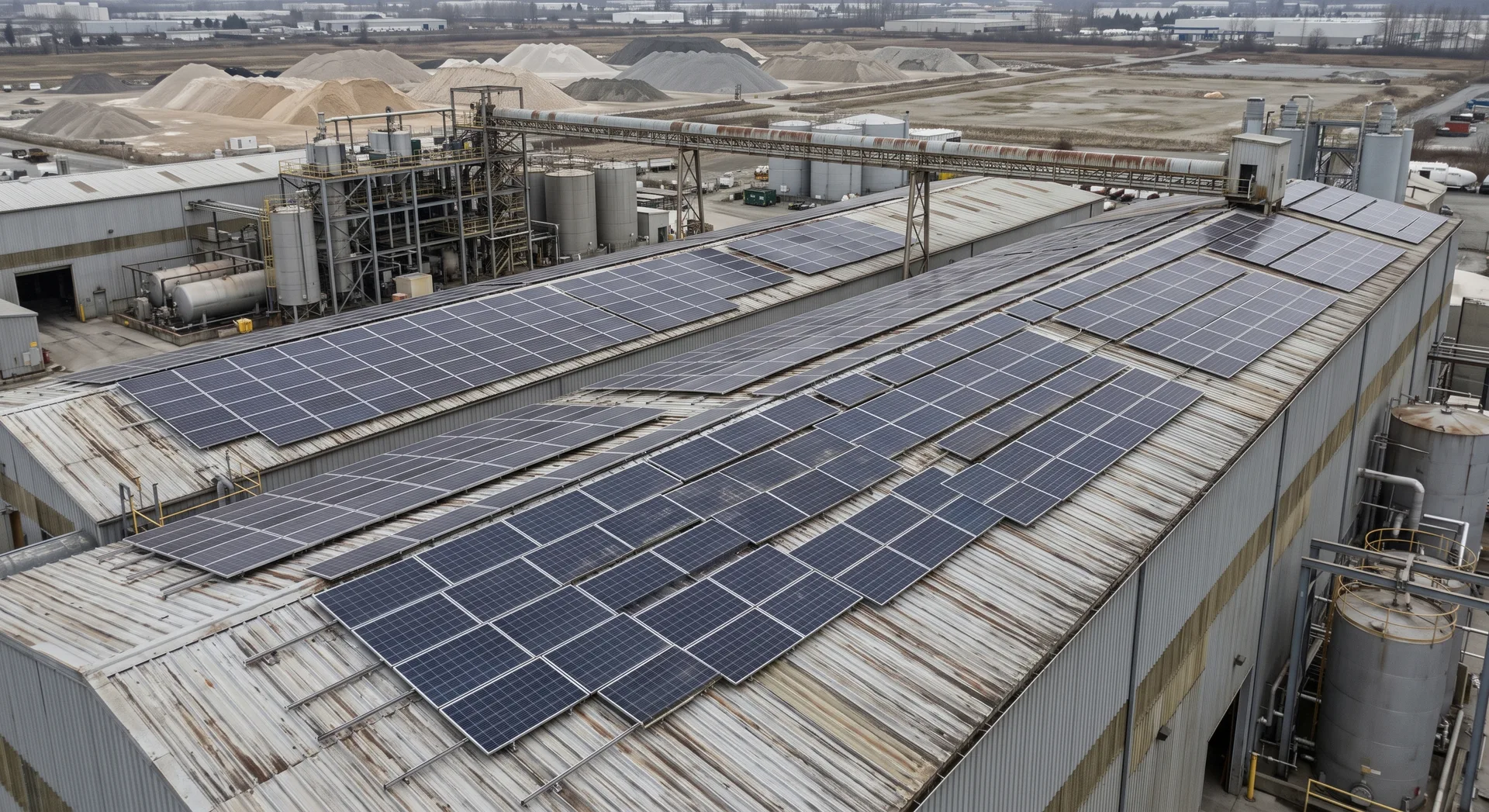
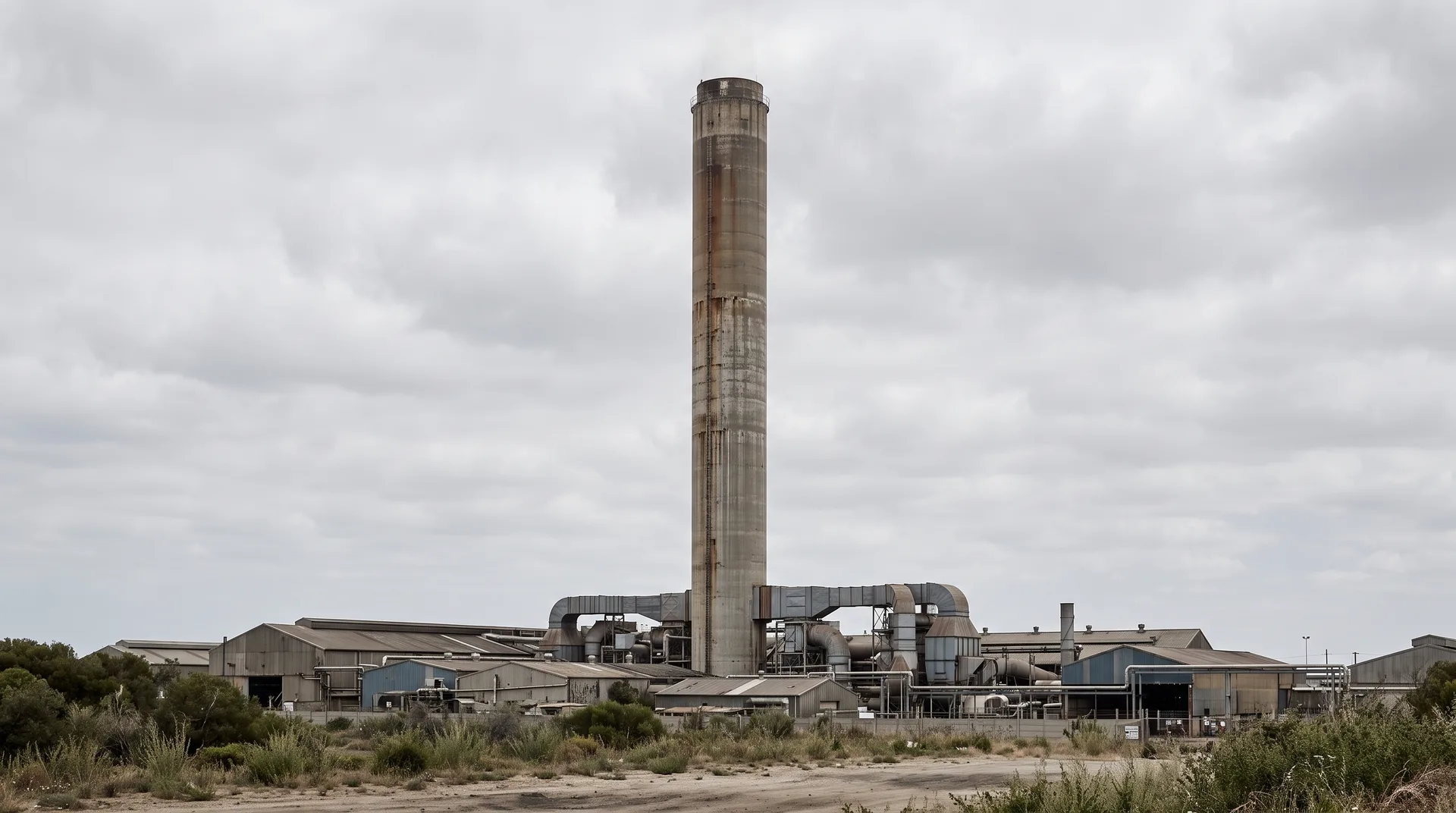
Most of the carbon associated with a titanium product is emitted long after the mineral has left the mine. Digging and concentrating heavy mineral sands is a comparatively modest energy proposition; turning the concentrate into metal, pigment or separated oxide is not. Any honest treatment of carbon in this hub therefore has to look down the chain rather than at the pit, and that is what this section is for.
The reasons are specific to these minerals. Producing titanium metal relies on a batch reduction process that is energy-intensive by design, and smelting ilmenite to slag consumes considerable power before pigment is even in view. Separating rare earths from one another demands repeated chemical stages, each with its own energy and reagent burden. Zirconium and hafnium separation adds another. Set against that, the products themselves sit inside the wind turbines, vehicles and lightweight aircraft structures whose purpose is to lower emissions elsewhere — which is the tension at the centre of the subject, and one that cannot be resolved by pointing at either end alone.
Attribution across a chain that crosses several companies and borders is where the difficulty concentrates: what an operator controls differs from what it merely purchases, electricity source dominates the result more often than any process choice does, carbon border measures reach material processed outside Europe, and comparisons between producers turn on boundary choices as much as on performance. Avoided-emissions claims rest on an assumption about what would otherwise have happened, which is what makes them the hardest part of the subject to check.
Refining and Metallurgy describe the energy-intensive steps themselves. Titanium/Rutile and Rare Earths follow those chains from the mineral end, ESG covers how the resulting figures are disclosed, and Renewable Energy is where the counter-argument about end use is made.