 ASX: OSM · Orión Project
Minerals Hub / Mining & Production / Rehabilitation
Mining & Production · Section 08 of 08
Rehabilitation
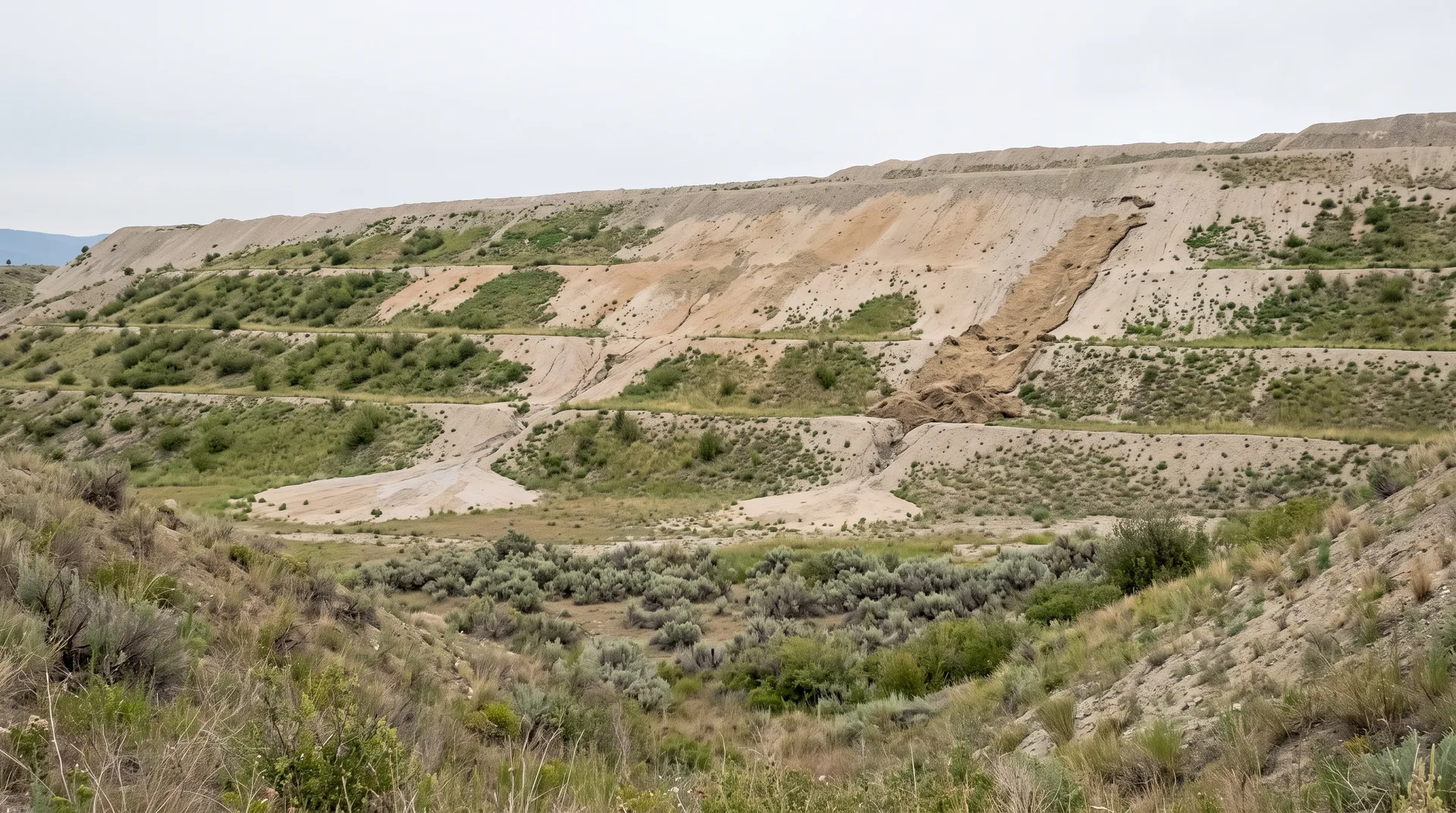
Rehabilitation in mineral sands is not something that waits for the end. Because the mining face advances across ground rather than deepening in one place, land can be reshaped and returned while extraction continues elsewhere on the same deposit — and where that is done well, the area disturbed at any moment is far smaller than the area eventually mined. That progressive character is what puts this section in a production pillar rather than filed under environmental commitments.
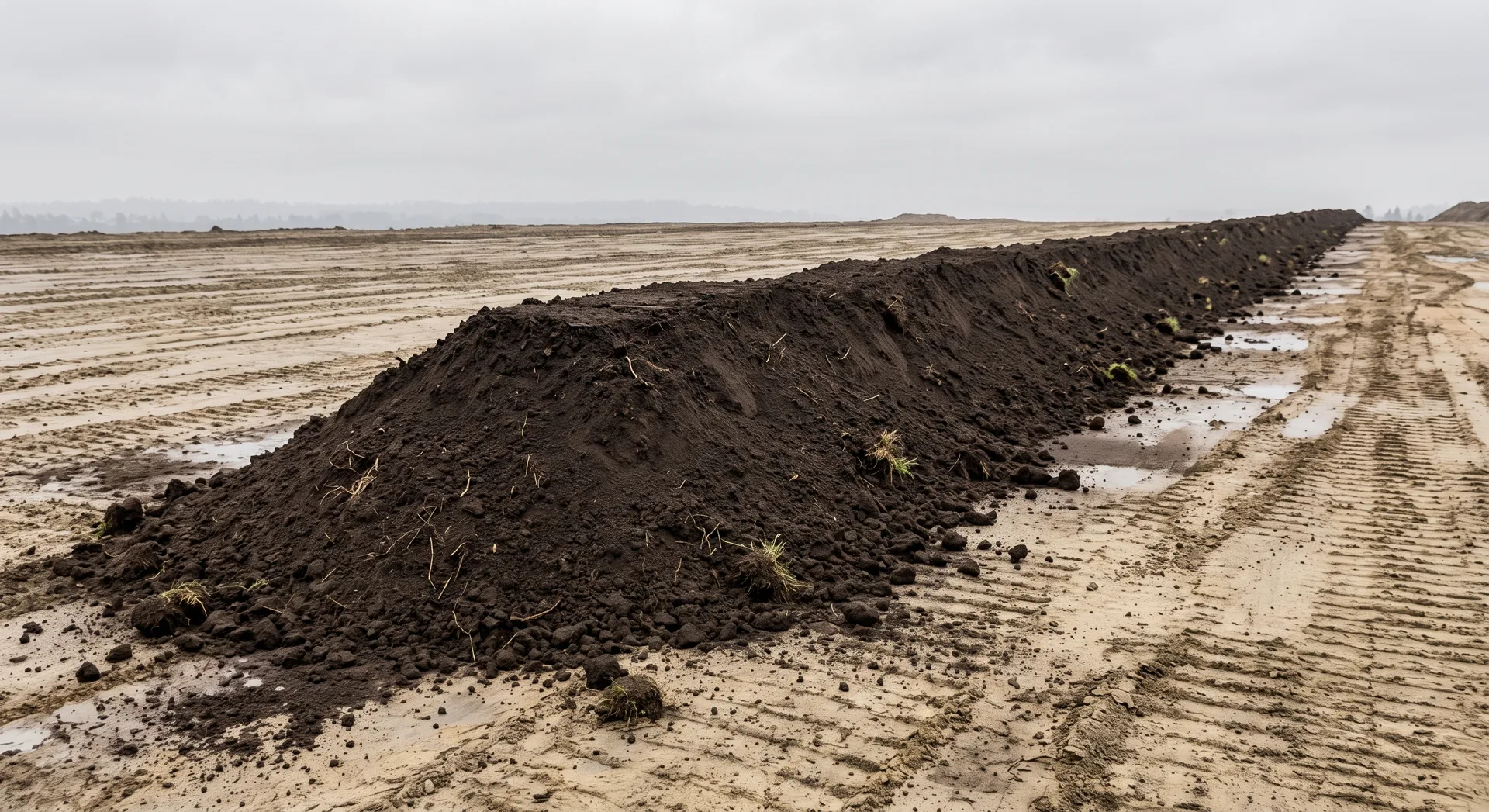
The work is more exacting than it appears. Topsoil and subsoil are stripped separately and are best returned directly to a freshly shaped surface rather than stockpiled, since stored soil loses structure and seed viability. Landform has to be rebuilt to something stable and consistent with what surrounds it, which in a farming region means a surface that can be worked rather than a decorative contour. Fine residues from processing have to go somewhere, and where they are placed determines whether the reconstructed profile drains and roots properly. Revegetation is then judged against a reference: agricultural return demands different things from a nature-conservation endpoint, and the choice is usually settled with landholders and regulators long before it is executed.
Soil handling, landform design, residue placement and revegetation practice are the visible half of the subject; the half that decides the money is completion criteria, the monitoring period that follows, financial assurance held against the work, and what relinquishment actually requires. Between a rehabilitated appearance and a functioning ecosystem or productive field there is a gap that takes years to close and is rarely closed by planting alone.
Mining Methods determines what has to be rehabilitated and in what sequence. Environmental Management covers controls while an operation runs, Community Engagement the negotiation over what the land becomes, Responsible Mining the standards applied to closure, and Circular Economy the argument for treating residues as material rather than waste.