 ASX: OSM · Orión Project
Minerals Hub / Innovation & Technology / Recycling Technology
Innovation & Technology · Section 07 of 09
Recycling Technology
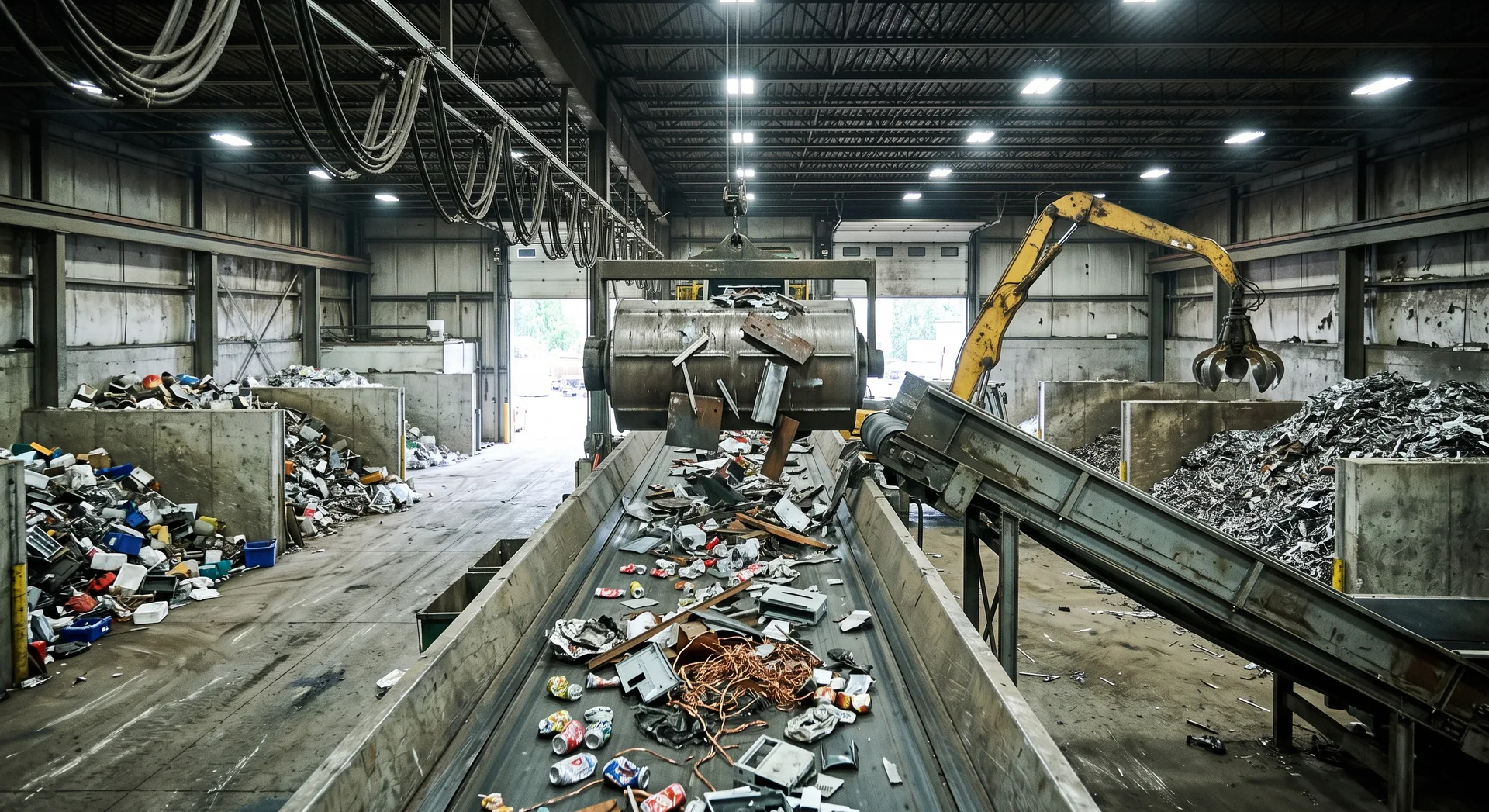
Material already above ground has been mined once. Whether it can be used again is a question of process rather than of principle, and this section is about those processes: the physical and chemical routes by which titanium, zirconium, silica and the rare earths are recovered from products that have reached the end of their lives.
The minerals in this hub's scope divide sharply on this question, which is what makes the subject worth a page of its own. Rare-earth magnets are the most active area of development, with routes ranging from recovering whole magnets for reuse, through demagnetising and reprocessing the alloy, to dissolving it and separating the elements again — each trading recovery against contamination tolerance. Titanium metal scrap has long been collected and remelted because aerospace machining generates a great deal of it and the metal is worth recovering. Zirconia and refractory materials can be reclaimed from furnace linings. Against those, several of the largest uses of the same minerals are dissipative by design: pigment dispersed in paint, opacifier fired into a tile glaze and abrasive spent on a steel surface do not come back, whatever the process.
The technology is a separate matter from the argument for it — collection and sorting are the constraint that usually binds first, separation chemistry is adapted from primary processing, contamination limits decide whether recovered material re-enters a high-specification use or a lower one, and pilot work continues on product designs that can be taken apart.
Two other pages carry the same word and answer different questions: Recycling under Markets & Economics and Recycling under Sustainability. Circular Economy covers design for recovery, while Rare Earths and Titanium/Rutile explain the primary chains these routes compete with.