 ASX: OSM · Orión Project
Minerals Hub / Innovation & Technology / Digital Mining
Innovation & Technology · Section 06 of 09
Digital Mining
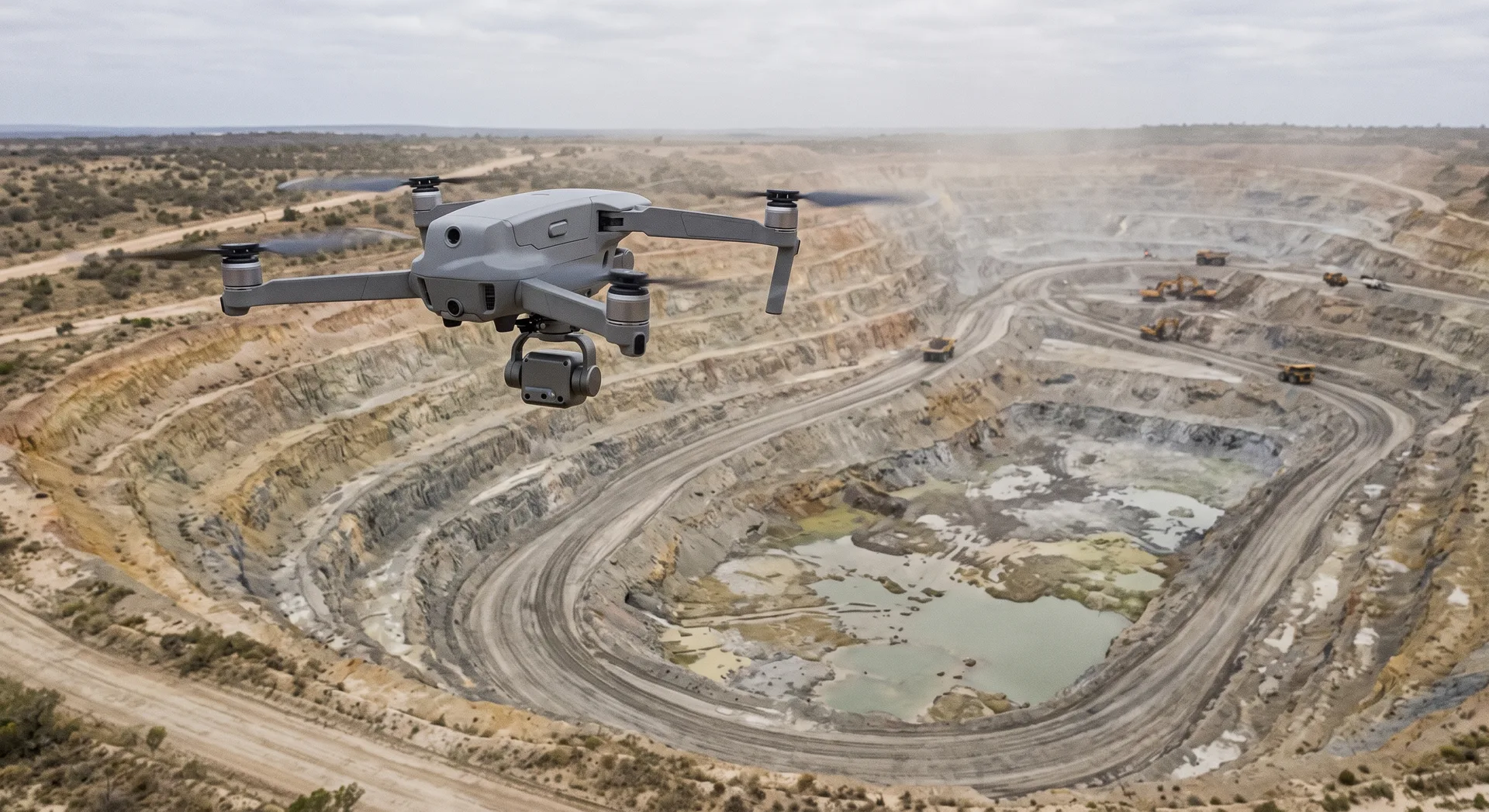
An operation has to be legible before it can be improved. Digital mining is the layer that makes it so — sensors and the connectivity that carries what they measure, geological and process models kept current rather than rebuilt occasionally, and the records that describe what was produced and where it went. None of it moves rock. All of it determines how well anything else can.
A multi-product deposit raises the difficulty of this in a way single-metal operations avoid. When one feed yields separate titanium, zircon and rare-earth-bearing streams, reconciliation between what the geological model predicted, what the plant recovered and what was eventually sold has to be tracked several times over, and a discrepancy in one stream is easy to hide inside the totals of another. That is a data problem before it is a metallurgical one. Traceability adds a second reason to care: buyers and regulators in critical-minerals markets increasingly ask where material originated and under what conditions, and answering that requires records designed for the purpose rather than assembled afterwards.
A digital operation is composed of measurement, connectivity, data models, and the governance that decides who may change what — and it has recurring failure modes: systems that do not speak to each other, data collected but never used, and models that quietly stop matching the operation they describe. Connectivity at a remote site is a constraint in itself, and connecting industrial equipment creates a security exposure that did not previously exist.
Artificial Intelligence depends on what this layer collects; Automation acts on it; Exploration Technology generates much of it in the first place. Supply Chain Risk and ESG take up the traceability and reporting demands that increasingly shape how it is designed.