 ASX: OSM · Orión Project
Minerals Hub / Markets & Economics / Recycling
Markets & Economics · Section 06 of 08
Recycling
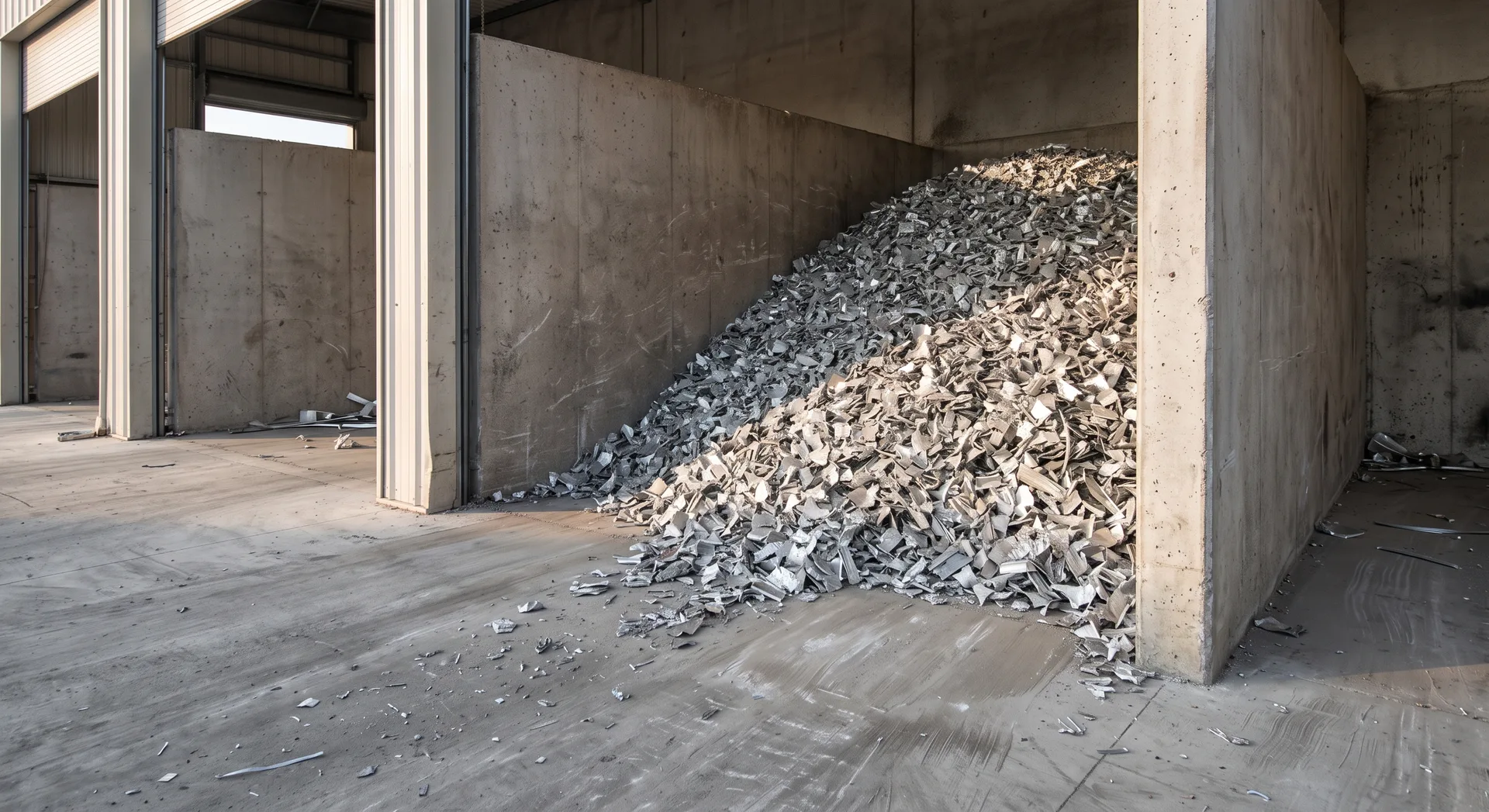
Recycling here is a supply factor, not an environmental practice. Secondary supply competes with newly mined material, and how much of a mineral returns through recycling shapes what primary production is worth — for some of these minerals it closes a meaningful share of demand, and for others it structurally cannot. (For recycling as environmental practice, see Recycling under Sustainability.)
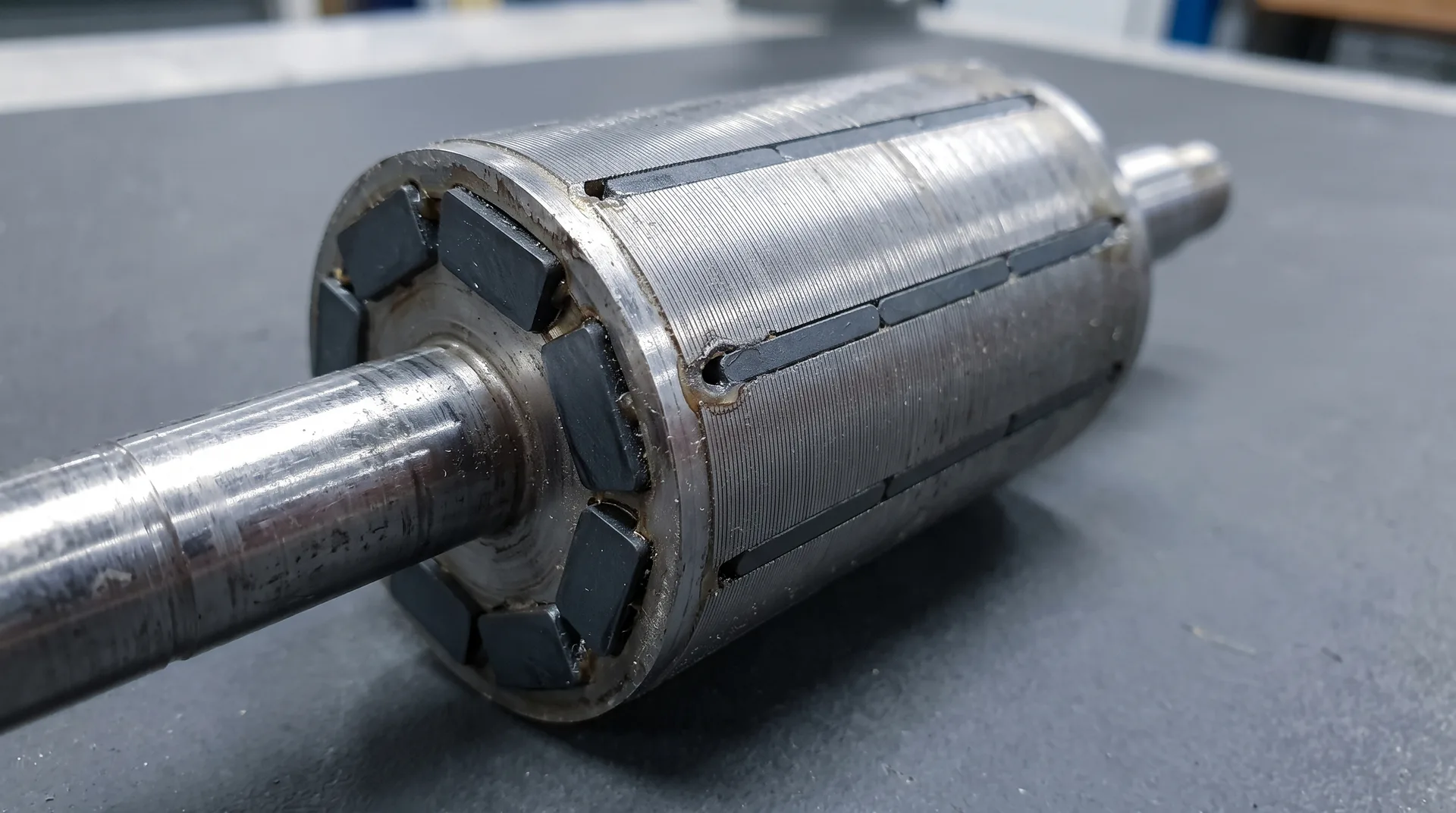
Read as a supply question, this mineral set splits along a line that has nothing to do with effort or intent. Titanium metal generates substantial scrap during manufacturing and returns again when equipment is retired, so a secondary stream has existed alongside primary production for a long time and behaves as a genuine alternative source for certain grades. Rare-earth magnets are the case in motion, since material entering products now will become available later, and the terms on which it returns are being established while those products are still in service. Against that, the largest uses of titanium and zircon disperse the mineral irreversibly into paint, glaze and abrasive, which means no recovery mechanism can ever make them a source of secondary supply. A market analysis that treats all four minerals as equally recyclable would be wrong about most of them.
Read as supply behaviour, the pattern is consistent: scrap availability tracks the manufacturing and retirement cycles of decades-old products rather than current conditions, secondary streams are constrained by contamination and specification rather than by volume alone, recycled-content requirements create obligations that act on buyers, and all of it feeds back into how much primary material a market needs. A stream that is technically recoverable can still be commercially absent for years at a time.
Its counterpart sits under Sustainability, where Recycling asks what recovery achieves environmentally rather than what it displaces. Recycling Technology explains the processes themselves, while Supply & Demand and Rare Earths supply the structural and mineral context this sits in.
Recycling matters to every critical-minerals story — and for some of these minerals, it structurally cannot close the gap.
Cross-listed coverage · primary homes unchanged
EDUCATIONAL ONLY · NO PRICE OR FORECAST CONTENT IN THIS PILLAR