 ASX: OSM · Orión Project
Minerals Hub / Mining & Production / Processing Technology
Mining & Production · Section 06 of 08
Processing Technology
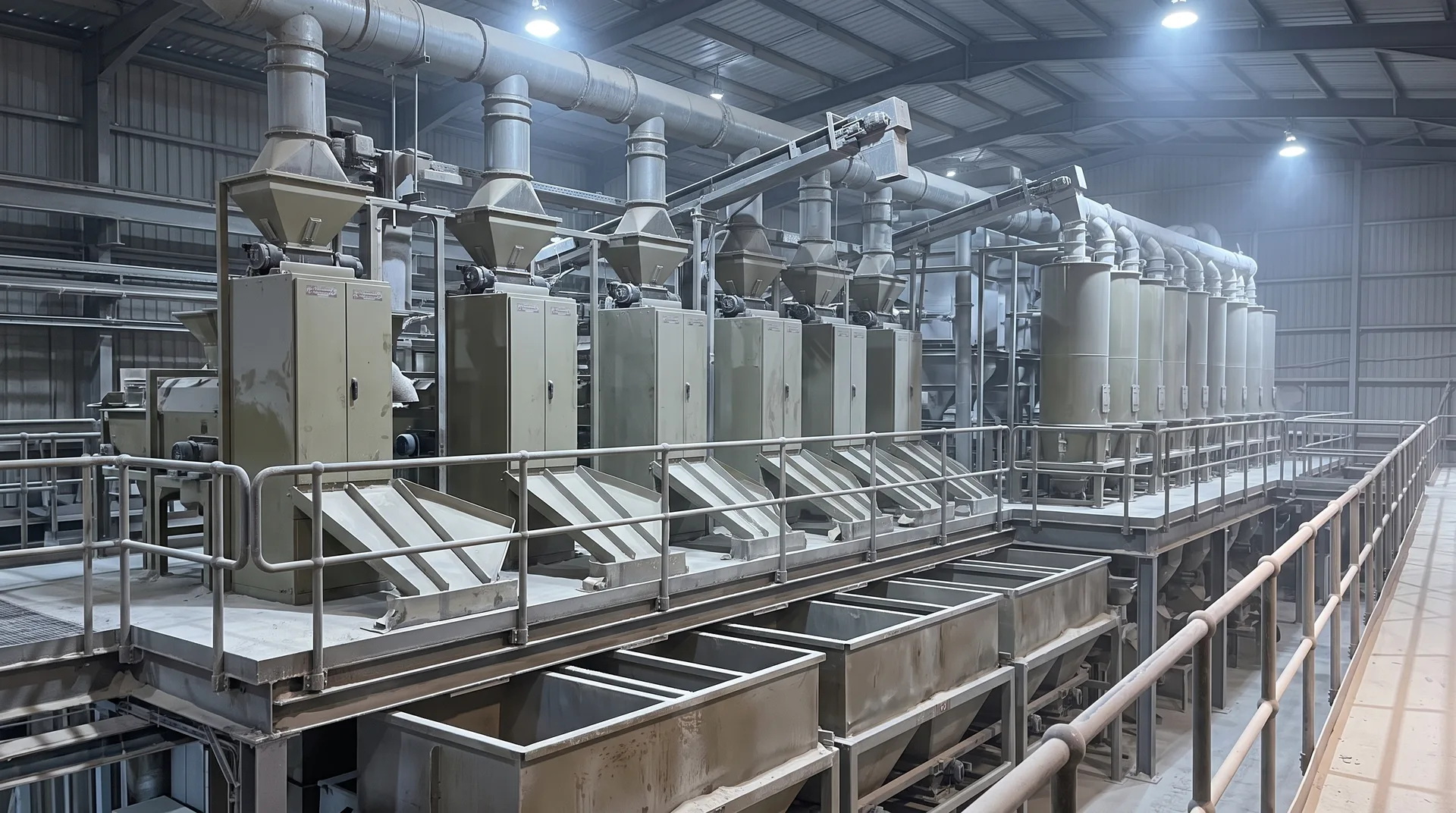
Processing technology here is the equipment and flowsheets in current industrial use — separation, concentration and refining as they are practised now. (For emerging methods, see New Processing Technologies and Processing Innovation under Innovation & Technology.)
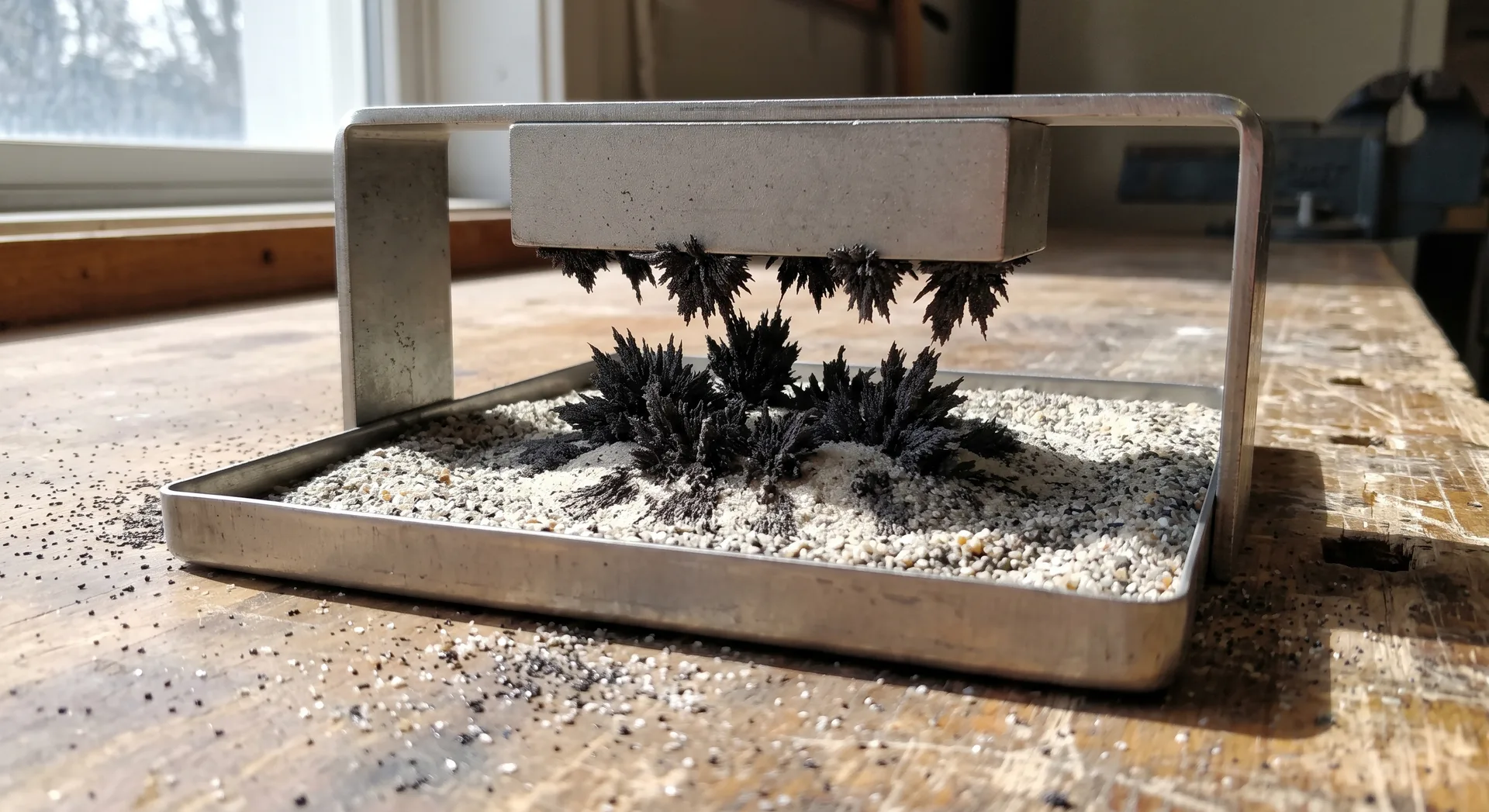
Written that way, the section is a working catalogue rather than an argument. Heavy-mineral concentration relies on a small number of well-proven machine types: spiral concentrators in banks, whose geometry has changed only incrementally in decades; wet and dry magnetic separators, including rare-earth roll and induced-roll designs, that split minerals by magnetic susceptibility; electrostatic plate and screen separators that split them by conductivity; attritioners, screens, cyclones and dryers between the stages. Downstream, the refining plant is a different world of chlorinators, kilns, leach circuits and solvent-extraction trains. What makes this a subject rather than a parts list is configuration: the same machines assembled in a different order, with different cut points and recirculating loads, produce very different results on the same feed, and flowsheet design is where operating experience actually resides.
Each equipment class is defined by what it separates on and where it fails, and above the machines sits flowsheet architecture — why circuits are staged the way they are, how middlings are recirculated, where a plant is designed for flexibility against varying feed, and how the same technology is scaled from a pilot to a production circuit. Vendor claims and independent operating experience are different classes of evidence, since a machine's rated performance and its performance on a particular feed are rarely the same thing, and the difference is usually discovered in commissioning.
Improvement within these routes belongs to Processing Innovation, and routes not yet in commercial service to New Processing Technologies. Ore Processing is where this equipment is applied to a specific ore, Refining the downstream stages, and Equipment Suppliers the companies that build and support the machines described here.