 ASX: OSM · Orión Project
Minerals Hub / Geography & Supply Chains / Mining Regions
Geography & Supply Chains · Section 02 of 07
Mining Regions
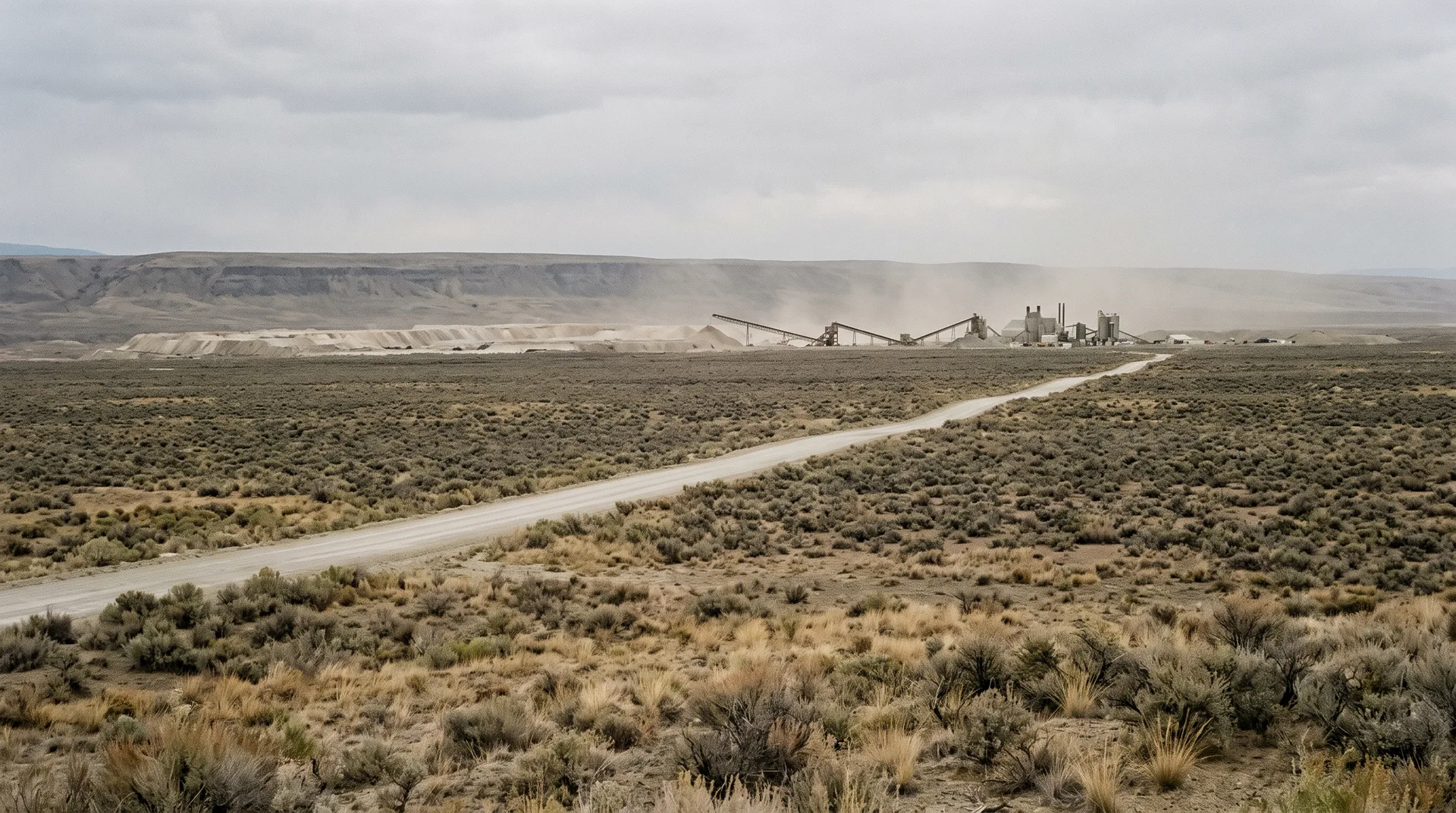
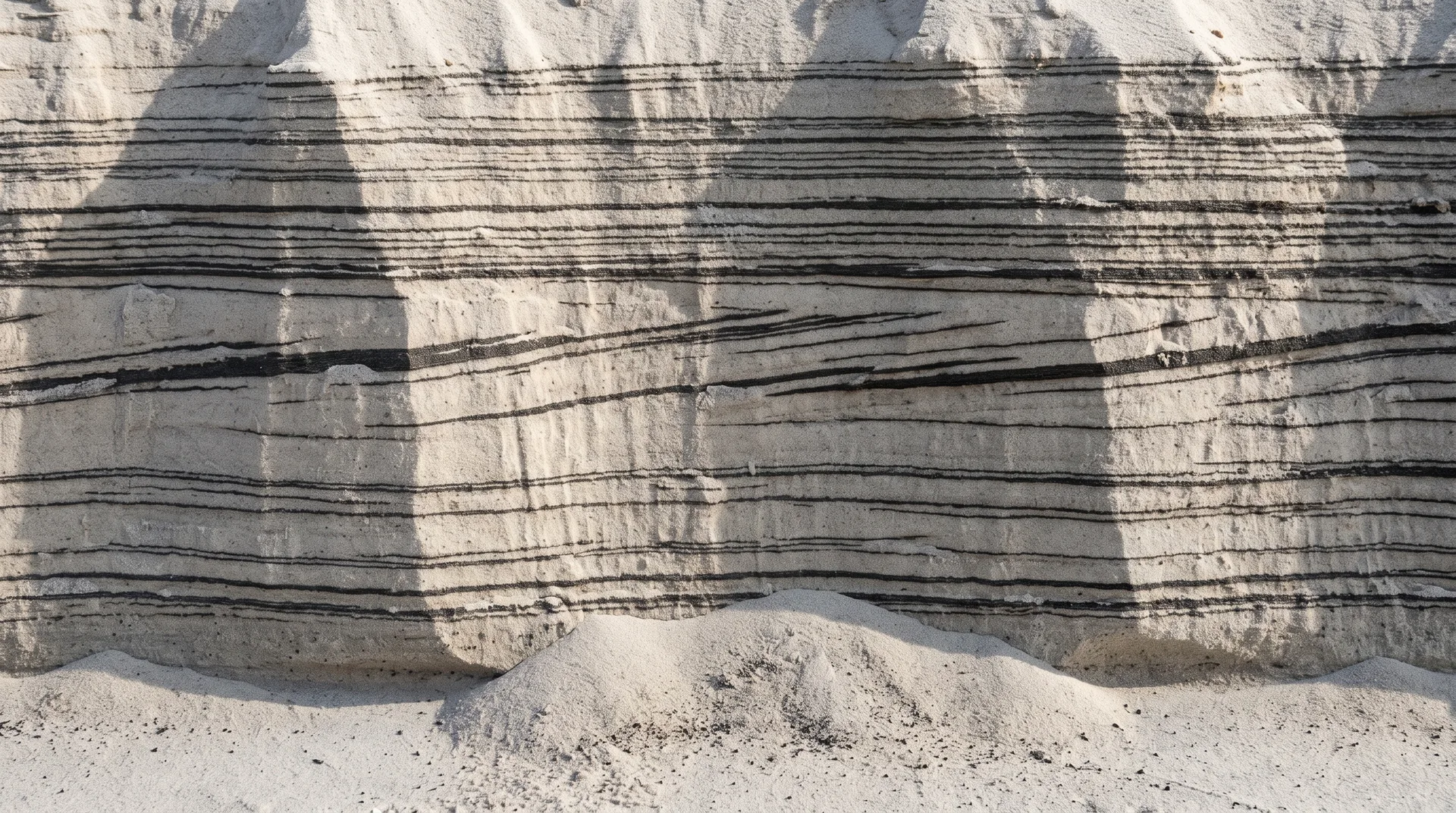
Deposits of this kind occur in belts rather than at points. Heavy minerals accumulate where waves, wind and currents sorted them over long periods, which produces strandlines and dune systems that can run for great distances along an ancient coast — and a coast that has since been buried, uplifted or left far inland. One deposit in such a belt is therefore rarely the only one, and that is the single most useful thing to understand about the geography of this mineral group.
Regions matter for reasons beyond geology as well. Where several operations share a district, an ecosystem forms around them: contractors who know the ground, laboratories within reach, port and rail capacity sized for the trade, a workforce with transferable skills, and regulators who have assessed this kind of project before and know what to ask. That accumulated capability is why an established district can support a project that would struggle in isolation, and why the same geology in an unserved region carries a different cost entirely. Districts also outlive individual operations — the region persists as mines within it open and close, which is why regional coverage ages better than asset coverage.
The main producing regions for these minerals are distinguished by geological setting and by industrial character, and historic districts belong in the same account, since their infrastructure and skills remain even where production has ceased. A region is a place with communities, land uses and constraints, not simply a location on a map.
Countries places these regions in their legal and policy context. Major Projects covers the developments within them, Exploration the work of finding more, Mining Methods what the ground dictates, and Community Engagement the relationships any operation in a settled region depends on.