Minerals Hub / Sustainability / What makes a grievance mechanism work
Sustainability · · 6 min read
What makes a grievance mechanism work
The UN Guiding Principles set out eight criteria a non-judicial grievance mechanism has to meet — and each one describes a way the ordinary version fails.
Pending review

The short version
A grievance mechanism is the route by which someone affected by a project raises a complaint and gets an answer. The UN Guiding Principles on Business and Human Rights set out eight effectiveness criteria for such mechanisms — legitimate, accessible, predictable, equitable, transparent, rights-compatible, a source of continuous learning, and, for company-run mechanisms, based on engagement and dialogue. Each criterion is short, and each names a specific way the ordinary version of a complaints process fails. Read as a checklist against most published community-engagement material, they are considerably more demanding than they first appear.
Why the mechanism, rather than the meeting
Consultation events are the visible part of community engagement, and they are the part most often described. They are also the part that ends. A grievance mechanism is what exists between them: the standing route by which a person who was not at the meeting, or who was and is still unhappy, gets a matter looked at.
The Guiding Principles treat it as a component of remedy rather than of communications. Principle 29 puts the rationale in one sentence: "To make it possible for grievances to be addressed early and remediated directly, business enterprises should establish or participate in effective operational-level grievance mechanisms for individuals and communities who may be adversely impacted". Two words in that sentence carry most of the weight — "early", and "directly". The mechanism exists so that a problem is dealt with while it is small and without the affected person having to find a court.
The eight criteria, as written
Principle 31 introduces the criteria with a chapeau providing that non-judicial grievance mechanisms, both State-based and non-State-based, should meet them in order to ensure their effectiveness. That introductory sentence is given here unquoted and unlinked: the text retrieved for this article carries the eight criteria themselves but not the chapeau, so the Principle's reach to State-based mechanisms as well as company ones is not confirmed from what was read. The list is worth reading in the original wording rather than in summary, because each criterion carries an explanatory clause that is where the difficulty actually lives.
Rights-compatible: "ensuring that outcomes and remedies accord with internationally recognized human rights".
A source of continuous learning: "drawing on relevant measures to identify lessons for improving the mechanism and preventing future grievances and harms".
And then a further criterion that applies only to mechanisms a company runs itself. Operational-level mechanisms, the Principle adds, should also be based on engagement and dialogue: "consulting the stakeholder groups for whose use they are intended on their design and performance, and focusing on dialogue as the means to address and resolve grievances".
What each criterion is really objecting to
Read as a diagnosis rather than an aspiration, the list is unusually pointed.
Accessible is not a statement that a channel exists; it requires that the channel be known to the people who need it and that assistance be provided to those facing barriers. A published email address fails this in a village where the objection is likely to come from someone who does not use email.
Predictable requires an indicative time frame for each stage and clarity about what outcomes are even available. Most complaints processes offer neither, and the resulting silence is what converts a small grievance into a campaign.
Equitable is the criterion companies most often miss without noticing. It requires that the aggrieved party have reasonable access to information, advice and expertise — an acknowledgement that a complaint about water or dust is an argument between a party with technical staff and a party without, and that a mechanism which ignores that asymmetry is not fair merely because it is open.
Rights-compatible limits what may be settled. An outcome that resolves a dispute on terms inconsistent with internationally recognised human rights is not a resolution under this framework, however willingly it was signed.
And based on engagement and dialogue asks something structurally awkward of a company mechanism: that those who may use it be consulted on its design and on its performance. A mechanism designed entirely in-house and reported on entirely in-house does not meet the criterion, whatever its case statistics look like.
The criteria are not eight qualities of a good process. They are eight named failure modes, written in the affirmative.
At exploration stage
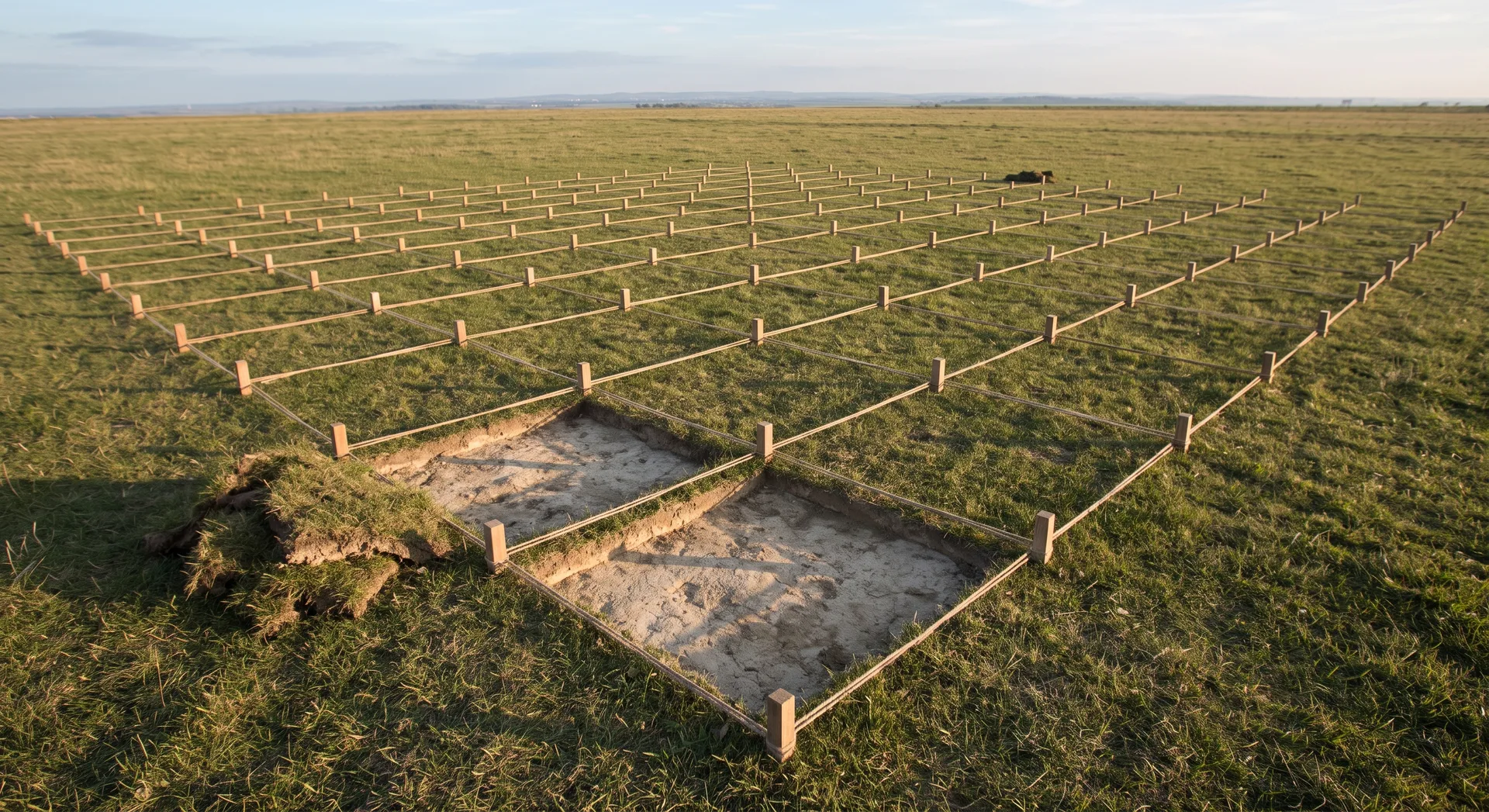
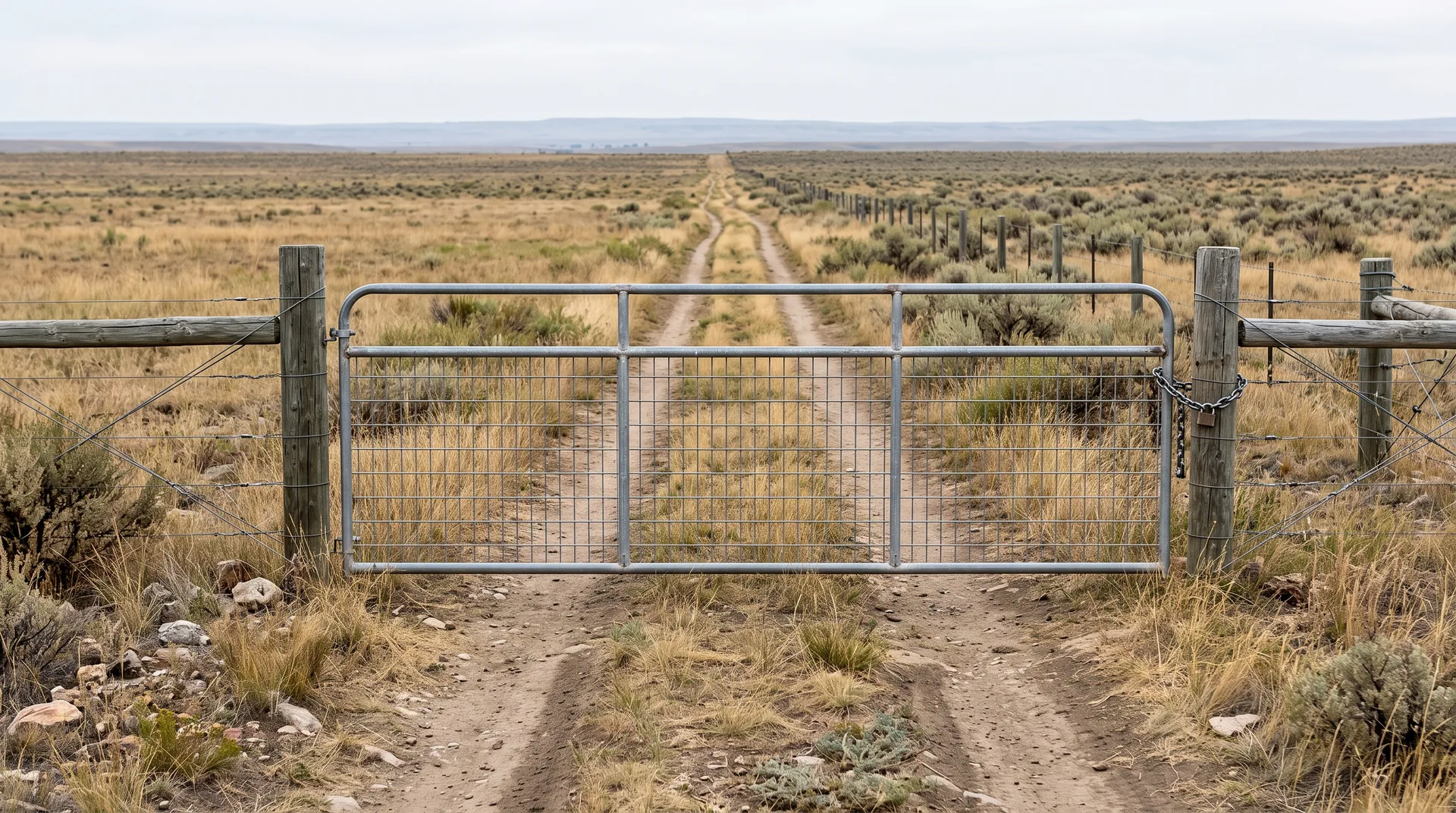
The framing that follows is this hub's own rather than any cited source's, and no company's practice is described here. As a general matter of the industry, an exploration programme has no production, no workforce of consequence and no permanent footprint — and it still generates grievances, because it generates traffic, dust, noise, temporary land occupation, boreholes and gates. Those are ordinary neighbourly disputes about land, and they arrive years before there is anything a project could offer in compensation.
That is also why the "early" in Principle 29 matters at this stage more than later. A grievance raised during drilling is about a specific truck on a specific track and can usually be resolved by moving the truck. The same grievance unaddressed becomes evidence, in a later permitting process, about how a proponent behaves — and by then it is no longer about the truck.
Published evidence on how such mechanisms actually perform in heavy-mineral exploration specifically was not found for this article. General industry material exists; sector-specific data at this stage of a project's life does not appear to, and none is asserted here.
Related
- Indigenous Partnerships — rights-holder obligations across the industry, and where they bind
- Responsible Mining — the standards that specify what engagement should look like, and how they are audited
- Regulation — the points at which public participation is structured into a permitting process
- Water — the resource most likely to be the subject of a grievance in a farming region
Sources
- PRIMARYUnited Nations, 'Guiding Principles on Business and Human Rights: Implementing the United Nations Protect, Respect and Remedy Framework', Office of the High Commissioner for Human Rights, HR/PUB/11/04. Guiding Principle 29 quoted in full. Guiding Principle 31 quoted in full, including the chapeau, criteria (a) to (g) and the operational-level addition at (h). The parenthetical explanatory clauses attached to each criterion are the Principle's own text, not commentary.
- ANALYSISOURS — the application of Principle 31 to an exploration-stage minerals project, and the observation that the grievances arising at that stage are about access, traffic, dust, water and land, is this hub's framing rather than a statement made by any source cited here. No company's practice is described.Non-public document · no public URL
- UNVERIFIEDGAP — no published dataset was found on the operation or effectiveness of operational-level grievance mechanisms specifically in mineral-sands or heavy-mineral exploration. General industry material exists; sector-specific evidence at this stage of a project does not, and none is asserted.Non-public document · no public URL